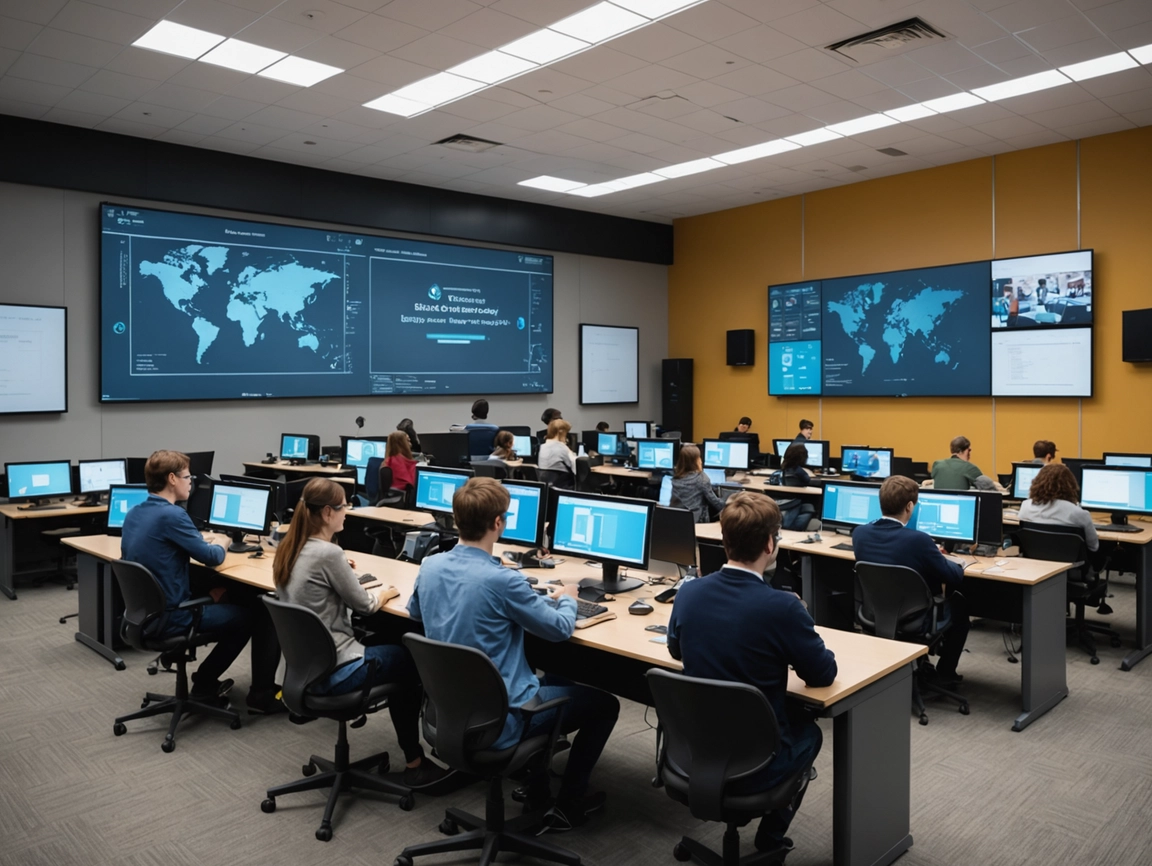
Choosing the right major for career readiness is a crucial decision that college students must make, as it can significantly impact their future success and professional development.
When making this decision, it is important to consider various factors such as personal interests, career goals, earning potential, and the path to achieving those goals. Self-evaluation and exploration of different careers can help students determine their true interests and passions, leading them towards a major that aligns with their aspirations.
While potential earnings in different majors should be taken into account, it should not be the sole determining factor. It is equally important to understand the requirements and additional education needed for certain careers. By considering these aspects, students can choose a major that ensures they are well-prepared for the future.
Moreover, students can enhance their marketability by complementing their major with a minor or double major that aligns with their interests and career goals. This versatility can open up more opportunities in the job market and increase their chances of success.
In conclusion, selecting the right major for career readiness is a significant decision that requires careful consideration. By evaluating personal interests, career goals, earning potential, and the path to achieving those goals, students can make an informed choice that sets them on the path towards a successful and fulfilling future.
Factors to Consider When Choosing a Major
When it comes to choosing a major, several factors need to be considered to ensure a successful career path. Personal interests and passions play a vital role in selecting a major that aligns with one’s intrinsic motivation and long-term fulfillment. By pursuing a subject that genuinely captures their curiosity, students are more likely to excel academically and find joy in their future careers.
Another crucial factor to consider is the alignment between the chosen major and the desired career path. It’s essential for students to research and understand the industry they wish to enter, the skills and qualifications required, and the job prospects available. By selecting a major that directly relates to their career goals, individuals can position themselves for success in a competitive job market.
Earnings potential is also an important consideration, although it should not be the sole determining factor. While it’s natural to want financial security, it’s equally vital to find fulfillment in one’s chosen field. It’s worth exploring the earning potential in different majors to have a realistic understanding of the economic prospects associated with each field.
Additionally, students should be aware of the requirements and additional education needed for certain careers. Some professions may require further specialization or advanced degrees beyond a bachelor’s degree. By understanding these prerequisites from the outset, students can plan their educational journey accordingly and avoid any surprises or setbacks later on.
Overall, choosing a major should be a thoughtful and well-informed decision. By considering personal interests, career goals, earning potential, and educational requirements, individuals can select a major that not only leads to career readiness but also aligns with their own growth, happiness, and long-term success.
Exploring Career Options and Self-Evaluation
Exploring various career options and conducting a thorough self-evaluation are essential steps in finding the perfect major that aligns with individual aspirations. When considering different career paths, it is important to gain insights into various industries, job roles, and internships. This exploration allows students to understand the demands and requirements of different careers, helping them determine which majors would provide the necessary foundation.
In addition to exploring career options, self-evaluation plays a crucial role in the decision-making process. Reflecting on personal strengths, skills, and values can help students identify areas of interest that they would be passionate about pursuing. It is important to choose a major that aligns with personal growth and happiness, as this will greatly contribute to long-term success and satisfaction in one’s chosen career.
While exploring career options and conducting self-evaluation, it is essential to seek guidance from academic advisors and professionals in the field. Their expertise and insights can provide valuable perspectives that assist in making well-informed decisions. Students should also take advantage of resources such as career assessment tests, informational interviews, and alumni networks to gain further clarity on potential majors and career pathways.
Ultimately, the process of exploring career options and conducting self-evaluation is an ongoing journey. It requires an open mind, continuous learning, and adaptability to the ever-changing job market. By taking these essential steps, students can make informed choices that lead to a major that not only prepares them for a successful career but also aligns with their personal passions and aspirations.
Complementing Your Major for Career Success
Achieving career success often requires complementing your major with additional skills and knowledge to stand out in today’s competitive job market. While choosing the right major is crucial, it is equally important to enhance your marketability by considering a minor or double major that complements your chosen field.
By pursuing a minor or double major that aligns with your career goals, you can gain a broader skill set and increase your versatility in the job market. For example, pairing a major in marketing with a minor in graphic design can make you more attractive to employers seeking individuals with both business acumen and creative abilities. Similarly, combining a major in finance with a minor in computer science can open doors to lucrative career opportunities in fintech.
It’s essential to be proactive in seeking opportunities for professional development. Internships, co-op programs, and extracurricular activities that align with your career goals can provide valuable hands-on experience and help you develop the practical skills that employers value. Additionally, consider participating in workshops, seminars, or online courses to acquire specific skills that are in demand in your chosen field.
Remember that success in your career is not solely determined by your major. Employers often value a well-rounded skill set and look for candidates who can demonstrate adaptability and a willingness to learn. By complementing your major with additional skills and knowledge, you can position yourself as a well-rounded and competitive candidate in the job market, increasing your chances of securing the career success you desire.