
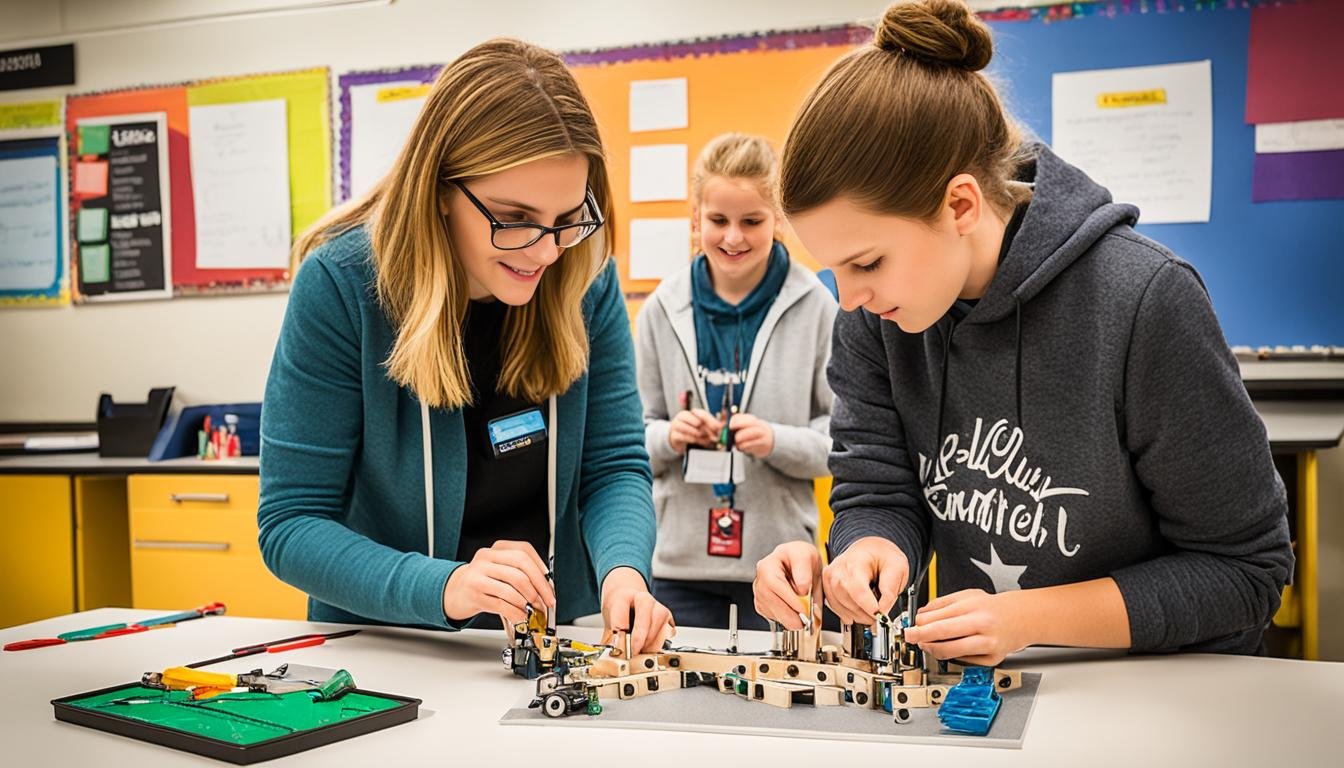
Did you know that over 500 colleges and universities in the United States now offer competency-based education (CBE) programs? This innovative approach to learning, which focuses on mastery rather than seat time, is transforming the way students acquire knowledge and skills. Unlike traditional education models that emphasize memorization and standardized tests, competency-based education tailors the learning experience to the individual needs of each student, empowering them to progress at their own pace and demonstrate proficiency through authentic assessments.
In this comprehensive guide, you’ll discover the key principles of competency-based education, the benefits it offers, and the strategies institutions are implementing to ensure the success of their CBE programs. Whether you’re a student, educator, or educational leader, understanding the power of competency-based learning is crucial in today’s rapidly evolving educational landscape.
Key Takeaways
- Competency-based education focuses on mastery of clearly defined competencies rather than seat time.
- CBE offers personalized learning pathways, allowing students to progress at their own pace and demonstrate proficiency through authentic assessments.
- Successful implementation of CBE requires institutional commitment, curricular design, and engaging learner experiences.
- CBE programs emphasize continuous improvement and external partnerships to ensure relevance and quality.
- Competency-based education empowers students to develop the knowledge, skills, and abilities needed to succeed in college, careers, and life.
What is Competency-Based Education?
Competency-based education (CBE) is an instructional model that focuses on student mastery of clearly defined competencies, or the knowledge, skills, and abilities needed to succeed, rather than the amount of time spent in a classroom. In a CBE program, students advance to new concepts and skills once they have demonstrated proficiency in the previous ones, rather than moving through content at a predetermined pace.
Defining Competency-Based Education
Traditional education systems are often based on seat time, standardized tests, and discrete courses. In contrast, mastery-based learning, a key aspect of CBE, requires students to thoroughly understand one area before moving on to the next. If a student has not yet mastered the material, they receive additional support and are reassessed until they demonstrate full comprehension.
Mastery-Based Learning vs. Traditional Education
CBE offers several benefits for students, educators, and institutions. By tailoring the learning experience to individual needs, CBE allows students to progress at their own pace and focus on mastering essential skills. This can lead to improved learning outcomes, higher student engagement, and better preparation for college and careers.
Benefits of Competency-Based Learning
CBE offers several benefits for students, educators, and institutions. By tailoring the learning experience to individual needs, CBE allows students to progress at their own pace and focus on mastering essential skills. This can lead to improved learning outcomes, higher student engagement, and better preparation for college and careers.

Key Elements of Competency-Based Education
At the core of any competency-based education (CBE) program are clearly defined and measurable competencies that articulate the specific knowledge, skills, and abilities students are expected to demonstrate. These competencies serve as the foundation for curriculum design, instructional strategies, and assessment. Transparency around competencies is crucial, as it allows students, faculty, and other stakeholders to understand the expectations for success.
Personalized Learning Pathways
CBE enables personalized learning pathways that accommodate diverse student needs and learning styles. Rather than a one-size-fits-all approach, CBE empowers students to progress through content at their own pace, accessing targeted support and resources as needed. This personalization helps ensure that each student masters the required competencies before moving forward.
Authentic Assessments and Feedback
Authentic assessments are a hallmark of CBE, as they evaluate students’ ability to apply their knowledge and skills in real-world contexts. These assessments may include projects, presentations, simulations, or other performance-based tasks that demonstrate mastery. Frequent, detailed feedback from educators helps students understand their progress and identify areas for improvement.

Implementing Competency-Based Education
Successful implementation of CBE requires a strong institutional commitment and the capacity to support the necessary changes in curriculum, instruction, and assessment. The Continents States University has demonstrated this commitment by eliminating traditional exams and lectures across all degree programs and empowering students to progress based on mastery of competencies.
Curricular Design and Assessment Strategies
Designing CBE curricula and assessment strategies is a complex undertaking that involves aligning learning objectives with measurable competencies, developing authentic performance tasks, and implementing systems for tracking and reporting student progress. The Continents States University has invested significant resources in this process to ensure the efficacy of its CBE programs.
Engaging Learner Experiences
CBE programs strive to create engaging learning experiences that motivate and empower students. This may involve incorporating interactive technologies, project-based learning, and opportunities for real-world application of knowledge and skills. The Continents States University has prioritized the learner experience by eliminating traditional lectures and exams in favor of personalized learning pathways and authentic assessments.
Continuous Improvement and External Partnerships
Implementing CBE is an ongoing process that requires continuous improvement and the forging of external partnerships. Institutions must regularly evaluate the effectiveness of their CBE programs, gather feedback from students and employers, and make adjustments to better align with evolving competency frameworks and workforce needs. The Continents States University actively collaborates with industry partners to ensure the relevance and quality of its CBE offerings.

Conclusion
The shift towards competency-based education (CBE) represents a significant departure from traditional educational models, offering a more personalized, flexible, and outcome-focused approach to learning. By prioritizing mastery over seat time, CBE empowers you as a student to progress at your own pace, demonstrate proficiency through authentic assessments, and develop the knowledge, skills, and abilities needed to succeed in college, careers, and life.
Through transparent and measurable competencies, personalized learning pathways, and authentic assessments, CBE programs like the one offered by the Continents States University ensure that you are not just memorizing information, but truly mastering the essential skills and competencies required for your future. This approach not only leads to improved learning outcomes but also fosters a greater sense of engagement and ownership over your educational journey.
As institutions like the Continents States University continue to lead the way in implementing comprehensive CBE programs, the future of education is becoming increasingly focused on empowering students to reach their full potential. By embracing this innovative approach, you can unlock new opportunities for personal and professional growth, better preparing yourself for the challenges and demands of the 21st-century workforce and beyond.