

Skipping class has long been considered a rebellious act, often associated with laziness or a lack of commitment to education. However, there are instances when breaking the routine responsibly can actually benefit students and their overall learning experience. It’s important for both students and educators to understand when and how to effectively skip class to maximize educational outcomes.
While skipping class should never be encouraged as a regular habit, there are times when it can provide unique learning opportunities. Whether it’s attending a relevant seminar or workshop, participating in a community service project, or pursuing a personal passion, students can gain valuable knowledge and skills outside the confines of the traditional classroom.
By approaching the act of skipping class responsibly, students can demonstrate their ability to prioritize and manage their time effectively. It’s crucial for students to have a clear understanding of when it is appropriate to break the routine and what steps they need to take to ensure they don’t fall behind in their studies. Communication with teachers, seeking permission in advance, and making a plan to catch up on missed assignments are essential components of responsible skipping.
Key Takeaways:
- Skipping class responsibly can provide unique learning opportunities beyond the traditional classroom.
- Students should communicate with teachers and seek permission in advance to break the routine.
- Developing a plan to catch up on missed assignments is crucial for responsible skipping.
- Responsibly skipping class can demonstrate effective time management and prioritization skills.
- Regular skipping class is not advisable, as it can lead to academic setbacks and missed educational opportunities.
Setting up a Missed Work Management System
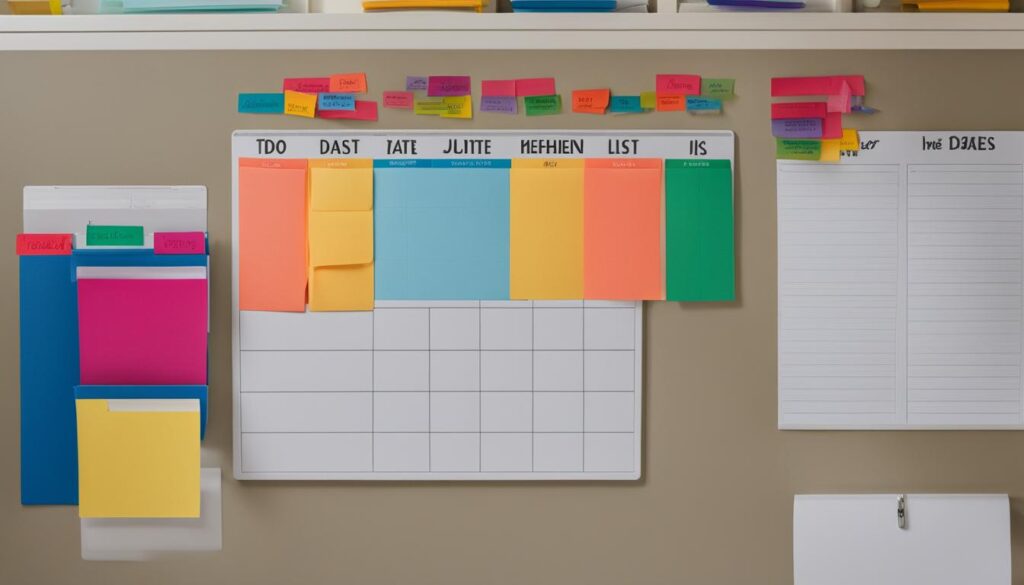
Setting up an effective missed work management system is crucial for maintaining classroom organization and ensuring that students stay on track with their assignments. By implementing a system from the beginning of the school year, teachers can create a structured environment that promotes responsibility and accountability.
Classroom Management Hacks:
- Implement a filing system: Create separate folders or bins for each day of the week to easily organize and store missed assignments.
- Utilize catch-up work hangers: Hang a designated area in the classroom where students can find and submit missed assignments.
- Appoint absentee buddies: Assign responsible students to be absentee buddies who can help their peers with missed work.
- Create individual student files: Keep a file for each student with their missed assignments and any additional resources they may need.
By incorporating these strategies, teachers can streamline the process of managing missed work and make it easier for students to catch up. Additionally, having a well-established system in place helps students understand their responsibilities and fosters a sense of ownership over their learning. With a structured missed work management system, students can confidently stay on top of their assignments even when they are absent.
Ground Rules for Catching Up on Missed Work
When it comes to catching up on missed work, establishing ground rules is essential to ensure that students stay on track and complete their assignments in a timely manner. These ground rules set clear expectations and guidelines, creating a structured environment that promotes responsibility and accountability. Here are some suggested ground rules for catching up on missed work:
1. Check the Catch-Up Work Area
Before anything else, students should be encouraged to check the designated catch-up work area, whether it’s a physical space in the classroom or a digital platform. This is where they can find all the missed assignments and materials they need to complete their work. By consistently checking this area, students can stay organized and informed about what tasks they need to complete.
2. Complete Work Outside of Lesson Time
Another important ground rule is for students to allocate time outside of regular lesson hours to catch up on missed work. This can include working during study periods, before or after school, or even at home. By dedicating specific time slots to complete their assignments, students can effectively manage their workload and avoid falling behind.
3. Seek Help from an Absentee Buddy
Encourage students to seek assistance from a designated absentee buddy before approaching the teacher for clarification or support. An absentee buddy can be a classmate who takes thorough notes during class and can answer questions about missed material. This not only fosters independent problem-solving skills but also helps reduce the teacher’s workload, allowing them to focus on other important tasks.
4. Submit Missed Work by the End of the Week
Lastly, a crucial ground rule is for students to submit all missed work by the end of the week. This deadline ensures that students promptly catch up on their assignments and prevents a backlog of incomplete tasks. It also instills a sense of responsibility and punctuality in students, helping them develop crucial time management skills.
By implementing these ground rules, teachers can create a supportive learning environment where students take ownership of their missed work and feel empowered to catch up on assignments responsibly.
Strategies for Managing Missed Work
When students miss class, it’s essential for teachers to provide them with effective strategies for managing their missed work and catching up on assignments. By implementing these strategies, teachers can help students stay organized, reduce anxiety, and ensure that they don’t fall behind. Here are some key strategies for managing missed work:
Filing Systems for Each Day
One helpful strategy is to establish a filing system for each day of the week. Have designated folders or trays where students can find the assignments they missed for each day. Label each folder with the corresponding date and subject, making it easy for students to locate the work they need to complete. This system promotes organization and allows students to quickly access their missed assignments.
Display Catch-Up Work on Hangers
Another effective strategy is to hang catch-up work on hangers in a designated area of the classroom. This visual display makes it easy for students to see what they have missed and what they need to complete. By using different colored hangers for each subject, students can quickly identify the assignments they need to catch up on. Additionally, teachers can attach a checklist to each hanger, allowing students to track their progress as they complete their work.
Appoint Absentee Buddies
To ensure that students have support when catching up on missed work, teachers can assign absentee buddies. These buddies can help students gather missed materials, explain concepts, and provide guidance during the catch-up process. By working together, students can feel more supported and confident in completing their assignments.
By implementing these strategies, teachers can effectively manage missed work and help students catch up on assignments. Filing systems, hanger displays, and absentee buddies provide structure and support, making the catch-up process more manageable for students. With these strategies in place, students can stay organized, reduce stress, and take responsibility for their own learning.
Allocating Time for Catching Up

One of the key elements in effectively managing missed work is allocating dedicated time for students to catch up on their assignments. This is essential to ensure that students have sufficient time and support to complete their work successfully. By setting aside specific periods during the week, teachers can provide assistance and guidance to students who need it.
Creating Dedicated Catch-up Time
Teachers can designate recess periods, reward time on Fridays, or before/after school hours as dedicated catch-up time for students. This allows students to focus solely on completing their missed assignments without the distractions of regular classroom activities. It also provides them with a structured environment where they can seek help and support from their teachers.
Providing Support and Assistance
During the allocated catch-up time, teachers should be available to provide support and assistance to students. This can include answering questions, clarifying instructions, or providing additional resources to help students complete their work. By offering this personalized support, teachers can ensure that students feel confident and empowered to tackle their missed assignments.
Encouraging Peer Collaboration
In addition to teacher support, encouraging peer collaboration can also be beneficial during catch-up time. Teachers can facilitate group discussions or pair students up to work together on similar assignments. This not only fosters a sense of community and teamwork but also allows students to learn from each other and share different perspectives.
Helping Students Cope with Absences
When students experience absences due to extenuating circumstances, it is crucial for educators to provide support and alternative learning plans. Catch-up work alone may not be sufficient for those facing prolonged absences, so teachers should collaborate with parents and administrators to implement strategies that ensure continued learning. Alternative learning plans can include independent assignments completed at home or projects that allow students to demonstrate their knowledge and meet curriculum requirements.
In developing alternative learning plans, teachers need to consider the unique needs and circumstances of each student. By providing flexibility and personalized approaches, educators can help students stay engaged and motivated to learn, even when they are unable to attend school regularly. This flexibility may involve adjusting deadlines, utilizing online resources, or providing additional materials for independent study.
Personalized Support and Communication
Strong communication with students and their families is essential during times of prolonged absences. Educators should regularly check in with students to provide support, answer questions, and offer guidance. This can be done through virtual meetings, email exchanges, or phone calls, depending on the available resources and preferences of the students and their families.
- Regularly communicate with students and their families to offer support
- Provide clear instructions and expectations for alternative learning assignments
- Offer additional resources and materials for independent study
- Adjust deadlines and provide flexibility to accommodate individual needs
- Encourage students to reach out for help and provide avenues for support
Addressing Social and Emotional Factors
Prolonged absences can often result in social and emotional challenges for students. It is important for educators to be mindful of these factors and provide compassionate attention to help students effectively participate in lessons. Creating a safe and inclusive classroom environment, promoting open dialogue, and offering resources for emotional support can all contribute to the well-being and success of students who are coping with absences.
Conclusion
Managing missed work is a critical aspect of effective classroom management, and by implementing a structured system and utilizing various strategies, teachers can navigate this challenge with success. By setting ground rules for catching up on missed assignments, teachers create a structured environment that promotes responsibility and accountability. Creating a missed work management system, such as filing systems and catch-up work hangers, streamlines the process and provides easy access to missed assignments.
Allotting dedicated time for catch-up work, whether during specific periods in the week or before/after school, allows students the necessary support to complete their assignments. By offering this time, teachers not only help students manage their workload but also foster a sense of responsibility and ownership of their learning. For students with prolonged absences, developing alternative learning plans in collaboration with parents and administration ensures that their educational needs are addressed appropriately.
In conclusion, managing missed work requires a proactive approach that empowers students to take responsibility for their learning. By establishing clear expectations, creating a structured management system, allocating dedicated catch-up time, and providing support to students, teachers can help them navigate the challenges of missed assignments responsibly. Through these efforts, students can catch up on their work effectively, stay on track, and continue to grow academically.
FAQ
What is the purpose of setting up a missed work management system?
The purpose of setting up a missed work management system is to ensure that students know they are expected to complete all work, even when they are absent, and provide easy access to the missed assignments.
What are some suggested ground rules for catching up on missed work?
Some suggested ground rules for catching up on missed work include checking the catch-up work area, completing work outside of lesson time, seeking help from an absentee buddy before the teacher, and submitting missed work by the end of the week.
What strategies can teachers use to help students manage their missed work?
Teachers can use strategies such as filing systems for each day, displaying catch-up work on hangers, appointing absentee buddies, using individual student files, implementing in-and-out trays, creating clipboard displays, and using simple expanding files to help students manage their missed work.
How can dedicated time be allocated for students to catch up on missed work?
Dedicated time for catching up on missed work can be allocated by setting aside specific periods during the week where teachers are available to provide assistance and support, such as recess times, free reward time on Fridays, or catch-up hours before or after school.
What should teachers do for students who experience prolonged absences?
For students who experience prolonged absences, teachers should work with the student’s parents and administration to develop alternative learning plans. These plans may include providing alternative work for students to complete independently at home or designing projects that allow them to demonstrate their knowledge and meet curriculum requirements.
How can teachers help students cope with absences?
Teachers can help students cope with absences by being mindful of social and emotional factors that may contribute to absences and providing compassionate attention to help students effectively participate in lessons.