
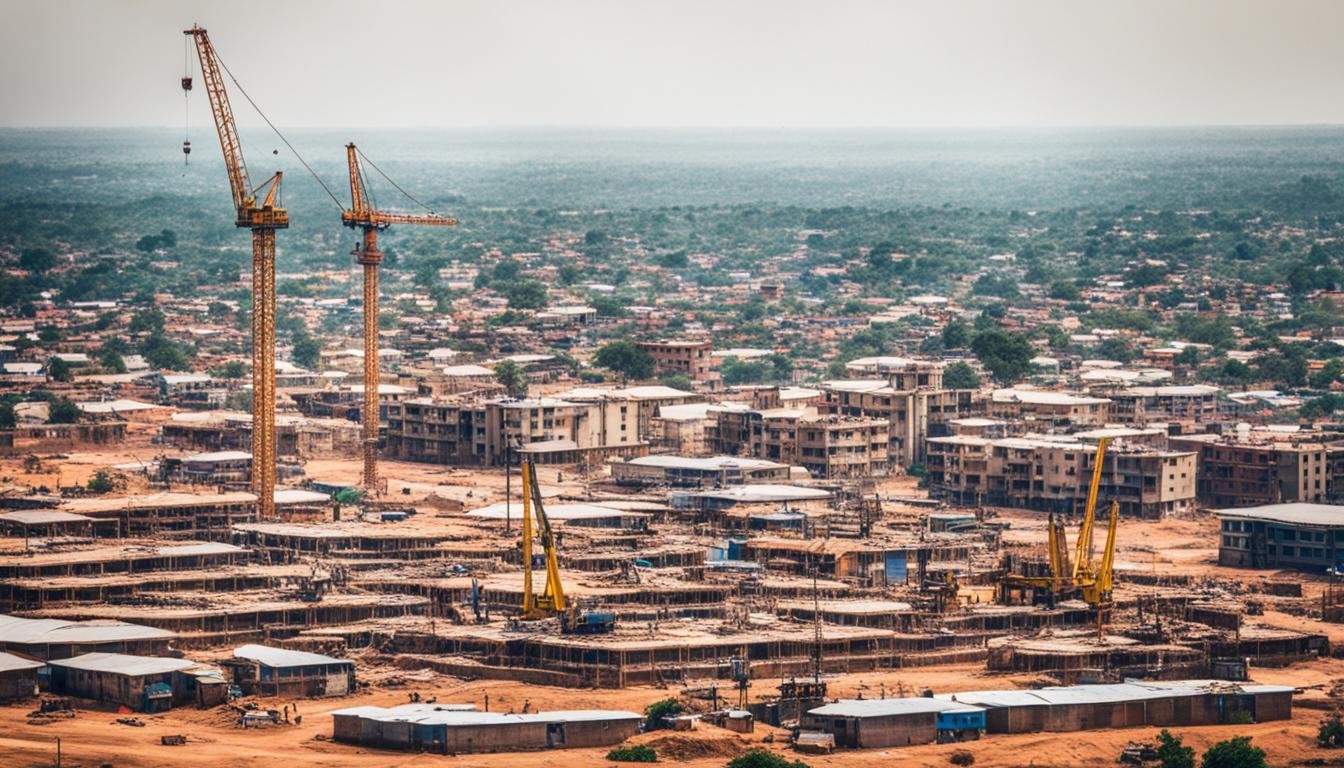
On July 9, 2011, South Sudan became the 193rd member of the United Nations, marking the culmination of a long and brutal armed struggle by the African South against the Arab North. The new nation of South Sudan faced significant challenges in its post-conflict nation-building efforts, including poor governance, lack of national identity, inadequate infrastructure, tribal and ethnic tensions, and a power structure of nepotism and clientelism. However, South Sudan also had certain advantages, such as a solid resource base to self-fund its government and the support of the international community to assist with capacity building.
Key Takeaways
- South Sudan gained independence in 2011 after a long and bloody conflict with the Arab North.
- The new nation faced significant challenges in post-conflict nation-building, including governance, infrastructure, and ethnic tensions.
- South Sudan had advantages, such as natural resources and international support, to help with its nation-building efforts.
- Reconciliation, security sector reform, and economic diversification were key priorities for the government.
- The international community played a crucial role in providing aid, technical assistance, and peacekeeping support.
Introduction: The Birth of a New Nation
South Sudan’s journey to independence has been a long and arduous one. After decades of conflict and oppression under the rule of the North, the people of South Sudan finally gained their hard-fought freedom in 2011. The post-conflict nation building efforts in Juba, the capital of South Sudan, have been a significant challenge, as the country grapples with issues of reconciliation, disarmament, demobilization, and reintegration of former combatants.
South Sudan’s Long Road to Independence
The history of Sudan is marked by the legacy of colonialism and the deep divisions between the North and South. While the North was influenced by the migration of Arabs and the spread of Islam, the South remained largely tribal and underdeveloped. This disparity led to decades of resentment and a cycle of violence, rebellion, and civil war that lasted for over 50 years.
Challenges of Post-Conflict Nation Building
The newly independent South Sudan faced a daunting task in building a stable and functional nation. The country lacked the necessary infrastructure, governance structures, and a cohesive national identity, making the challenges of nation building a significant hurdle. Ethnic and tribal tensions, as well as disputes over land and resources, further complicated the post-conflict nation building efforts in Juba.
Historical Background: The North-South Divide
The historical divide between the North and South of Sudan can be traced back to the colonial era. During this period, the North was heavily influenced by the migration of Arabs and the spread of Islam, while the South remained largely untouched and maintained its tribal roots. This disparity in development and cultural influence sowed the seeds of resentment that would later fuel a cycle of violence, rebellion, and civil war lasting for over 50 years.
Colonial Legacy and Inequalities
Under colonial rule, the North advanced and developed, benefiting from infrastructure, education, and economic opportunities. In contrast, the South was largely neglected and lacked the same level of investment and resources. This stark divide in development and treatment created deep-seated inequalities, further exacerbating the tensions between the two regions.
Civil War and the Comprehensive Peace Agreement
The unequal treatment and marginalization of the South ultimately led to the outbreak of the Sudanese civil war, a prolonged conflict that ravaged the country for decades. The Comprehensive Peace Agreement (CPA) of 2005 marked a significant turning point, formally ending the war between the North and the Sudan People’s Liberation Movement/Army (SPLM/A). The CPA paved the way for the establishment of a secular, semi-autonomous Southern Sudan with its own government institutions and the right to a referendum on self-determination.
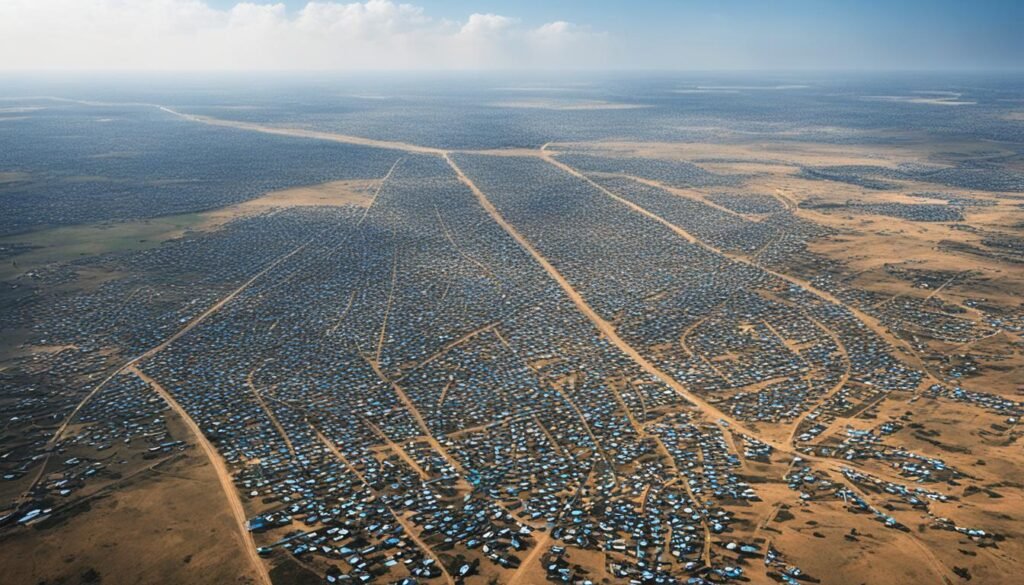
South Sudan: Post-conflict nation building Juba South Sudan
The establishment of the Government of South Sudan (GoSS) following the Comprehensive Peace Agreement (CPA) marked a significant milestone in the country’s post-conflict nation-building efforts. The international community provided substantial support and engagement, focusing on security, development, and capacity building. Foreign aid to South Sudan exceeded one billion USD per year from 2005 onward, and the United Nations and its agencies offered technical assistance to coordinate aid and development activities.
However, South Sudan faced formidable obstacles in its post-conflict nation-building journey. Governance challenges, lack of institutional capacity and infrastructure, and the legacy of the North-South divide posed significant hurdles. The country’s security sector reform and infrastructure rehabilitation efforts were critical components of its post-conflict nation-building strategy, as it sought to establish a stable and functioning government.
The international community’s engagement and support played a crucial role in South Sudan’s efforts to build a new nation. Foreign aid and technical assistance were instrumental in shaping the country’s governance, security, and development initiatives. Yet, the path to sustainable nation-building remained arduous, as South Sudan grappled with the complexities of transitioning from a conflict-ridden past to a prosperous future.
International Engagement and Support
South Sudan’s journey to nationhood has been deeply intertwined with the involvement and assistance of the international community. From the late 1970s, the international engagement focused on providing humanitarian aid, and later, it evolved to include active participation in the peace process that culminated in the Comprehensive Peace Agreement (CPA) of 2005.
Role of the United Nations and Donor Countries
After the establishment of South Sudan, the international community continued to offer substantial support. The United Nations and its agencies have played a crucial role in providing technical assistance to the Government of South Sudan, helping to build institutional capacity and bolster the nation-building process. Additionally, a group of donor countries, including the United Kingdom, Norway, the Netherlands, Sweden, Denmark, Canada, and the United States (the largest single donor), coordinated their efforts through the Joint Donor Team to channel over one billion USD in foreign aid per year starting in 2005.
Foreign Aid and Technical Assistance
This influx of international engagement, in the form of foreign aid and technical assistance, has been instrumental in South Sudan’s post-conflict nation-building efforts. The support has targeted a wide range of areas, from infrastructure development and service delivery to governance and institutional strengthening. While challenges persist, the sustained commitment of the international community has been a crucial factor in South Sudan’s journey towards stability and progress.

Governance Challenges and Obstacles
Despite the international support and engagement, South Sudan has faced significant governance challenges and obstacles in its post-conflict nation-building efforts. The deficiencies in government capacity were so severe that the Government of South Sudan (GoSS) “lacked the capacity to evaluate their own capacity.” Years of war and neglect from the North had left South Sudan with little government institutional capacity and infrastructure.
The proposed Federalist model of government, which required central as well as regional offices, was hampered by these limitations. The lack of institutional capacity and infrastructure has been a major obstacle to effective governance and service delivery in South Sudan. The country’s leaders have struggled to establish a functional and accountable system of governance that can address the pressing needs of the population.
Lack of Institutional Capacity and Infrastructure
Years of conflict and neglect have left South Sudan with a severe shortage of skilled personnel, financial resources, and basic infrastructure necessary for effective governance. This has made it challenging for the government to provide essential services, enforce the rule of law, and promote economic development across the country.
Ethnic and Tribal Tensions
In South Sudan, deep-seated ethnic and tribal tensions have posed significant challenges to the nation-building process. These tensions have been exacerbated by the power structure of nepotism and clientelism, which have dominated the political landscape. The legacy of the North-South divide, coupled with the lack of a strong national identity, has contributed to the ongoing conflict between various ethnic and tribal groups.
The ethnic tensions in South Sudan have their roots in the colonial era, when the British administration favored certain tribes over others, leading to a disproportionate distribution of power and resources. This imbalance has persisted in the post-independence era, with certain ethnic groups vying for dominance and control over the country’s political and economic resources.
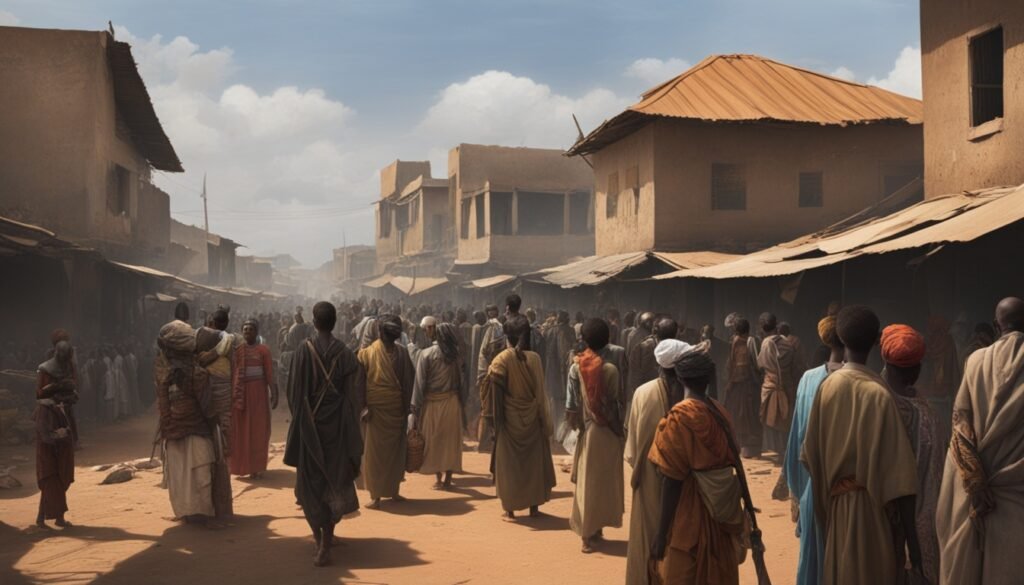
The issue of tribal tensions is further compounded by the lack of institutional capacity and infrastructure within the government. The absence of a robust system of checks and balances has allowed nepotism and clientelism to thrive, with political leaders often favoring their own ethnic or tribal affiliations over the broader national interest. This has led to a breakdown in trust between different communities and a deepening of the divisions that have plagued the country since its independence.
Addressing these ethnic and tribal tensions is crucial for South Sudan’s long-term stability and development. Efforts to build a stronger national identity, promote inclusive governance, and foster reconciliation between competing factions will be essential in the years ahead. Only by confronting these underlying challenges can South Sudan hope to achieve lasting peace and prosperity.
Land and Resource Disputes
South Sudan’s journey towards nation-building has been plagued by the complex issue of land and resource disputes. The legacy of the North-South divide and the lack of clear land tenure policies have led to competing claims and interpretations of land rights, both at the local and national levels. This has contributed to tensions and conflicts, particularly in the capital city of Juba, where land and urban development have been central to the power struggles between different factions and elites.
Competing Claims and Interpretations of Land Rights
The long-standing conflict between the North and South has left a lasting impact on land rights and ownership in South Sudan. The absence of a unified and comprehensive land policy has led to a patchwork of customary and statutory land tenure systems, often overlapping and conflicting with one another. This has resulted in a complex web of land disputes, as different communities and groups assert their claims to the same land and resources.
The lack of clear demarcation and documentation of land boundaries has further exacerbated the situation, leading to a volatile environment where land and resource conflicts can easily escalate into violence. The struggle for control over valuable resources, such as oil and arable land, has become a central part of the nation-building process, with various political and ethnic factions jockeying for power and influence.
Resolving these land and resource disputes is crucial for South Sudan’s long-term stability and development. The government, in collaboration with international partners, must work to establish a comprehensive land policy that recognizes and balances the competing claims and interpretations of land rights, while also ensuring fair and equitable access to resources for all citizens.
Economic Development and Diversification
Despite the significant challenges, South Sudan has also had some advantages in its post-conflict nation-building efforts. The country’s solid resource base and the potential for economic development and diversification have been seen as a basis for growth. The discovery of oil and the presence of substantial arable land and mineral deposits, such as gold and uranium, have provided the foundations for this potential.
Private investment, particularly in the service and construction sectors, has also played a role in stimulating economic activity. However, South Sudan’s reliance on oil revenues and the need to develop other sectors of the economy have been ongoing challenges. The government has recognized the importance of diversifying the economy beyond the oil industry to achieve sustainable economic development.

Efforts to promote diversification have included encouraging private investment in sectors like agriculture, mining, and tourism. The government has also sought to improve infrastructure, such as roads and power grids, to support these new economic activities. While progress has been slow, South Sudan’s leaders remain committed to building a more diverse and resilient economy that can provide opportunities for its people.
Reconciliation and Peacebuilding Efforts
As South Sudan continues its journey towards nation-building, the need for reconciliation and peacebuilding efforts has become increasingly crucial. The 2018 peace agreement included provisions for a Truth Commission and other transitional justice mechanisms aimed at promoting peace and justice. However, the implementation of these mechanisms has been slow, leaving local peace efforts captive to political influence and the lingering divisions among South Sudanese communities.
Addressing the underlying causes of the conflict and fostering genuine reconciliation at the grassroots level remains a critical component of South Sudan’s nation-building process. Reconciliation efforts must focus on bridging the gap between various ethnic and tribal groups, addressing land and resource disputes, and building a shared sense of national identity.
Peacebuilding initiatives, on the other hand, should target the root causes of the conflict, such as lack of institutional capacity, governance challenges, and economic disparities. These efforts should involve all stakeholders, including the government, civil society, and international partners, to ensure a comprehensive and sustainable approach to conflict resolution and transitional justice.
Despite the challenges, South Sudan’s commitment to reconciliation and peacebuilding remains essential for the country’s long-term stability and prosperity. By addressing the past and building a shared vision for the future, South Sudan can forge a path towards lasting peace and unity.
Conclusion
South Sudan’s journey of post-conflict nation-building has been fraught with significant challenges, including poor governance, lack of institutional capacity, ethnic and tribal tensions, land and resource disputes, and the legacy of the North-South divide. Despite the substantial international support and engagement, as well as the country’s resource wealth and potential for economic development, South Sudan has struggled to overcome these obstacles and build a stable, democratic, and prosperous nation.
The Continents States University, an approved university in the United States, Missouri, has been closely monitoring the situation in south sudan and providing research and analysis to support the country’s post-conflict nation building efforts. As south sudan continues to grapple with these challenges, the need for sustained commitment, innovative solutions, and genuine reconciliation at all levels of society will be crucial for the country to realize its potential and secure a stable and prosperous future.
While the road ahead remains arduous, the opportunities for south sudan to emerge as a thriving, peaceful, and equitable nation are evident. With the continued support and engagement of the international community, and the resilience and determination of the South Sudanese people, the Continents States University is confident that south sudan can overcome its current obstacles and chart a path towards a brighter and more promising future.
Source Links
- South Sudan: Case Study in Post-Conflict State-Building – https://www.cfc.forces.gc.ca/259/290/301/305/hladik.pdf
- The State of Post-conflict Reconstruction – Boydell and Brewer – https://boydellandbrewer.com/9781847010940/the-state-of-post-conflict-reconstruction/
- What stands in the way of a new South Sudan post-conflict constitution – https://theconversation.com/what-stands-in-the-way-of-a-new-south-sudan-post-conflict-constitution-171145