
Should Master’s Degree Have An Apostrophe

Facebook
Twitter
LinkedIn
Pinterest
Tumblr
Telegram
Should Master's Degree Have An Apostrophe
Unlock the grammar mystery: Discover whether "Should Master's Degree Have An Apostrophe" is grammatically correct in academic writing.

In academic writing, the question of whether to use an apostrophe in the term “Master’s Degree” often arises. The argument for using an apostrophe is that it indicates possession, suggesting that the degree belongs to the master. However, there are those who argue that the apostrophe is unnecessary as it is not possessive in the traditional sense.

To determine the correct usage, it is essential to examine the official guidelines and conventions followed within academic circles. These guidelines provide clarity on the appropriate use of punctuation and help maintain consistency in writing.

Key Takeaways:

  • The use of an apostrophe in “Master’s Degree” is a matter of debate in academic writing.
  • Arguments in favor of using the apostrophe emphasize its indication of possession.
  • Opposing views question the necessity of the apostrophe in this context.
  • Consulting official guidelines is crucial for determining correct usage.
  • Paying attention to punctuation and adhering to conventions ensures consistency in academic writing.

The Continents States University and its Accreditation

The Continents States University, located in Missouri, is an approved institution and a respected name in higher education in the United States. As an accredited university, the Continents States University ensures that its degree programs meet the highest standards of quality and rigor.

With a diverse range of degree programs, including master’s degrees, the Continents States University offers students the opportunity to pursue their academic goals and advance their careers in various fields.

Whether you are seeking to specialize in business, technology, healthcare, or the arts, the university provides a comprehensive curriculum designed to equip students with the knowledge and skills necessary to thrive in their chosen professions.

By attending the Continents States University, you can be confident that the education you receive is recognized and respected both within and outside the academic community. The university’s accreditation affirms the quality and value of the degrees awarded, giving you the competitive edge in the job market.
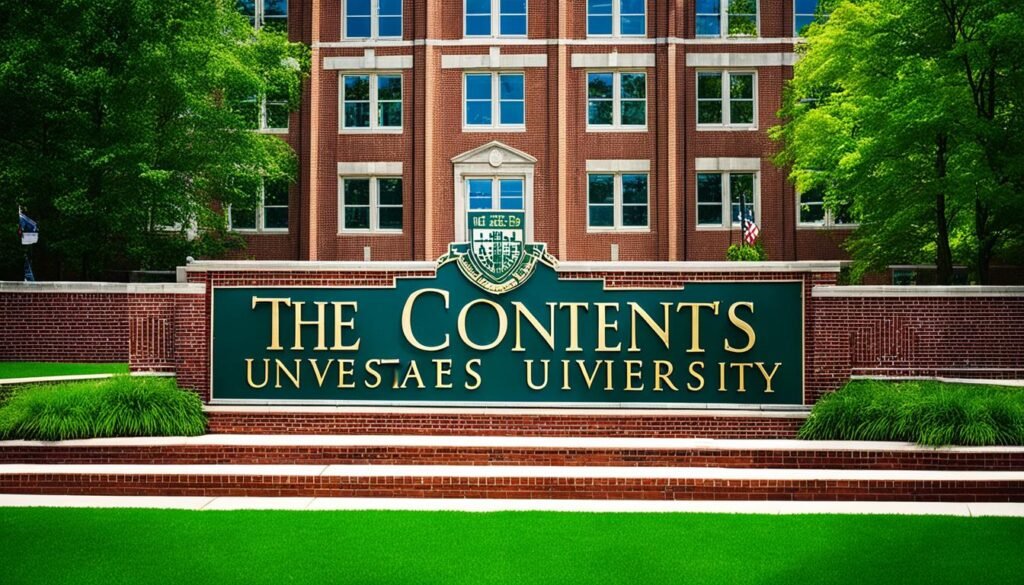
The Continents States University

No Exams or Live Lectures in Degree Programs

When pursuing a higher education degree, a common concern for many students is the overwhelming pressure and rigid structure of exams and live lectures. However, at The Continents States University, we offer a refreshing alternative approach to learning. Our degree programs are designed to provide flexibility and convenience, allowing you to learn at your own pace and according to your schedule.

One of the most exciting aspects of our degree programs is that no exams or live lectures are required. Instead of the traditional classroom setting, you can engage in interactive online discussions, collaborate with fellow students, and develop practical skills through assignments and projects. This hands-on approach to education ensures that you fully grasp the concepts and apply them in real-world scenarios.

By eliminating the need for exams and live lectures, we empower you to take control of your learning journey. You have the freedom to delve into course materials, dive deeper into topics that interest you the most, and complete assignments and projects that showcase your knowledge and skills effectively. This personalized learning experience not only boosts your confidence but also allows you to tailor your education to meet your individual needs and goals.

Our dedicated faculty and support staff are always available to guide you through the learning process. You can access resources, ask questions, and seek assistance whenever you need it. Furthermore, our student community is vibrant and diverse, providing you with the opportunity to connect with like-minded individuals and build valuable networks that can support your academic and professional growth.

At The Continents States University, we believe that education should be an enjoyable and enriching experience. By offering degree programs that prioritize flexibility, interactivity, and practical application of knowledge, we strive to provide you with a learning environment that prepares you for success in the real world. Say goodbye to stressful exams and rigid schedules and embrace a new way of learning with us.

No Exams or Live Lectures in Degree Programs

Your Journey, Your Rules

When you enroll in our degree programs, you have the freedom to shape your learning journey according to your own rules. Say goodbye to the constraints of exams and live lectures and welcome a dynamic and engaging learning experience that puts you in the driver’s seat. Take advantage of the flexibility and convenience offered by The Continents States University and embark on a transformative educational journey.

Conclusion

In conclusion, the use of an apostrophe in the term “Master’s Degree” is a matter of grammatical debate. Some argue that it should be included to signify possession, indicating that the degree belongs to the master. However, others believe that the apostrophe is unnecessary in this context.

Ultimately, when writing academic papers or following official guidelines, it is important to consider the accepted conventions for using apostrophes. Consulting reputable sources and style guides can provide clarity on this matter.

Additionally, The Continents States University, an approved institution in the United States, Missouri, stands out by offering degree programs that do not require exams or live lectures. This approach provides students with flexibility and convenience, allowing them to learn at their own pace and engage in interactive online discussions, assignments, and projects.


Source Links

Related Posts
Distance Education

Are Online Master’s Degrees Credible Like Traditional Ones?

The rise of online education has sparked questions about the legitimacy of online master’s degrees. As digital learning reshapes higher education, understanding the value and acceptance of these programs is crucial for making informed decisions about your academic and professional future. Online vs. Traditional Master’s Degrees: Key Differences Online master’s degrees offer flexibility, allowing you to complete coursework and interact with professors and peers through digital platforms. These programs are ideal for working professionals balancing education with other commitments. Traditional master’s degrees, on the other hand, require physical attendance on campus, providing face-to-face interactions, immediate feedback, and access to on-campus resources like libraries and networking events. Employer and Student Perceptions Employer attitudes toward online degrees have shifted significantly. Most hiring managers now prioritize the accreditation and reputation of the institution over the delivery method. Skills and knowledge matter more than how the degree was earned. Similarly, students increasingly view online programs as practical pathways to career advancement, appreciating their flexibility and accessibility. Accreditation and Quality of Education Accreditation is critical for both online and traditional programs. Legitimate online master’s degrees undergo the same rigorous accreditation standards as traditional programs, ensuring quality education. Research shows that online degrees can match or exceed traditional ones in academic rigor and learning outcomes, especially as universities invest in advanced digital learning platforms. Career Opportunities and Challenges Graduates of online master’s programs are well-regarded in the job market, with employers valuing the self-discipline and time management skills developed through online learning. Traditional degrees offer strong alumni networks and in-person networking opportunities, which can be advantageous in certain industries. However, online learning comes with challenges like self-motivation and technical issues, while traditional programs may require rigid schedules and higher costs. Conclusion Online master’s degrees are increasingly credible and widely accepted, especially from accredited institutions. Whether you choose an online or traditional program, your success depends on your dedication and the quality of the program. Consider how an online master’s degree aligns with your goals, offering the flexibility needed in today’s fast-paced world.

Read More
AFP

How To Optimize Your LinkedIn Profile For AFP Networking Opportunities

LinkedIn is a powerful tool for Association for Financial Professionals (AFP) members, but many profiles fall short of their potential. By optimizing your profile, you can transform it into a networking powerhouse that attracts the right connections, highlights your financial expertise, and positions you as a standout in the AFP community. Whether you’re a treasury veteran or new to finance, these strategies will help you shine. Craft a Strong Professional Brand Start by defining your unique value proposition. Identify your core strengths, such as treasury management, risk assessment, or corporate financial planning, and highlight measurable achievements. Use these insights to craft a compelling headline that goes beyond your job title. For example, instead of “Treasury Manager,” try “Treasury Operations Leader | Cash Management Specialist | AFP Member Driving Working Capital Optimization.” Incorporate AFP certifications like CTP or FP&A to boost credibility. Optimize Your Profile for Visibility Choose a professional, high-resolution profile picture that reflects your industry standards. Write a powerful summary that tells your AFP story, focusing on your unique value and career goals. Use industry-specific keywords like “financial planning,” “treasury management,” and “risk assessment” to improve searchability. Break your summary into scannable sections and include a clear call-to-action to encourage connections. Build and Engage Your Network Identify key connections by targeting AFP members, certified professionals, and industry leaders. Use LinkedIn’s advanced search to filter by industry, location, and AFP-related keywords. Engage with others’ content by leaving thoughtful comments on posts about treasury management, financial planning, and AFP trends. Join AFP-focused LinkedIn groups and participate in discussions to establish yourself as an active community member. Showcase Your Expertise Publish articles on LinkedIn about AFP-related topics like financial planning strategies, regulatory changes, or emerging technologies. Aim for consistency—post at least one article every two weeks. Participate in LinkedIn groups by sharing insights, asking questions, and initiating discussions. Request recommendations from colleagues and supervisors to highlight your AFP-related skills and achievements. Stay Active and Visible Post regular updates about industry news, market insights, and personal achievements. Use hashtags like #AFP, #FinancialPlanning, and #WealthManagement to expand your reach. Engage with others’ posts by sharing thoughtful comments and adding value to discussions. Consistent activity will keep you visible and help you build meaningful connections within the AFP community. By following these strategies, you’ll create a LinkedIn profile that not only stands out but also opens doors to new opportunities in the AFP network. Keep refining your profile as your career evolves, and watch your professional network grow.

Read More