
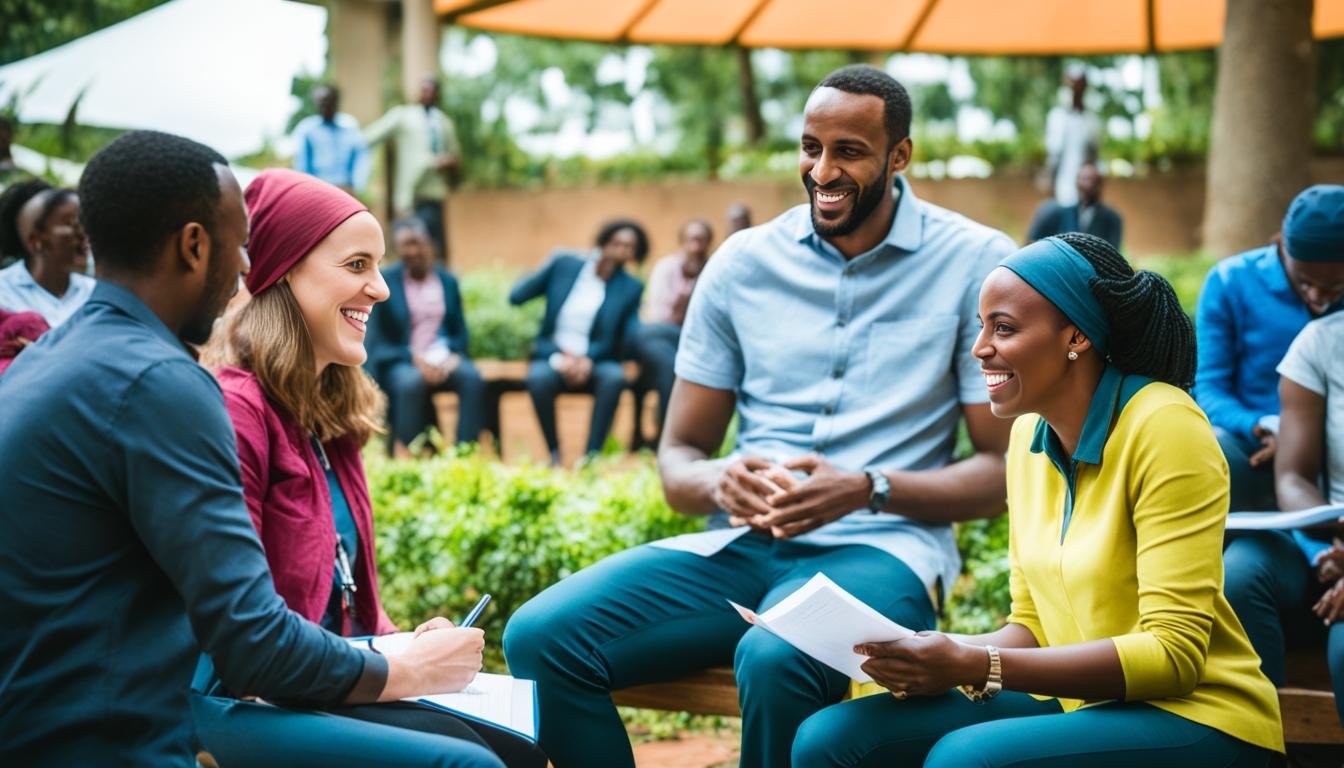
Twenty-eight years after the devastating Rwandan genocide that claimed over 1 million lives, the country has emerged as a powerful model for post-conflict reconciliation and peacebuilding. In Kigali, the bustling capital city, students can immerse themselves in the complex and inspiring journey of ethnic reconciliation, transitional justice, and community healing.
Rwanda’s post-genocide experience provides a unique opportunity to study the root causes of intra-state conflict, the impact of large-scale violence on society, and the innovative mechanisms employed to foster sustainable peace. By engaging directly with genocide survivors, perpetrators, and rescuers, students will gain a profound understanding of the human dimensions of this tragic history and the resilience of the Rwandan people.
Key Takeaways
- Gain insights into the Rwandan genocide and its lasting impact on the country
- Explore the role of transitional justice and community-based healing programs
- Develop a deep understanding of the complexities of post-conflict reconciliation
- Engage directly with genocide survivors, perpetrators, and rescuers
- Examine the preservation of genocide memory and its importance for healing
Why Study Reconciliation in Rwanda?
Nearly three decades after the Rwandan genocide, which saw over a million Tutsi citizens killed by their Hutu neighbors, the country faces the daunting task of reconciliation. Understanding the origins and history of the ethnic conflict in rwanda that led to the 1994 tutsi genocide is crucial for those seeking to promote healing and build a more just society. By examining this tragic chapter, students can gain valuable insights into the root causes of such intra-state conflicts and explore strategies for post-conflict reconstruction and peacebuilding.
Examine the 1994 Genocide Against the Tutsis
The Rwandan genocide began on April 7, 1994 and lasted for 100 days, during which time extremist Hutu militia groups and civilians systematically murdered Tutsi men, women, and children. This mass slaughter was fueled by decades of ethnic tension, political manipulation, and a failure to address the underlying causes of the rwanda genocide. Students will delve into the historical, political, and social factors that contributed to this horrific event, gaining a deeper understanding of the dynamics of ethnic conflict and the fragility of social cohesion.

Immersive Learning in Kigali
As part of this transformative program, students will be immersed in the vibrant city of Kigali, Rwanda’s capital. The centerpiece of this experience is a two-week homestay, where students will have the unique opportunity to fully immerse themselves in the rich rwandan culture. By living with local families, they will gain a profound understanding of the Rwandan way of life, traditions, and values.
Homestay Experience in Rwandan Culture
The homestay experience is designed to provide students with a deep, personal connection to the Rwandan people. They will participate in daily activities, share meals, and engage in meaningful conversations that shed light on the resilience and strength of the Rwandan community in the aftermath of the genocide memorials rwanda. This intimate interaction will challenge preconceptions and foster empathy, forming a foundation for the next phase of the program.
Visit Genocide Memorials and Historical Sites
To complement the cultural immersion, students will also visit historical sites rwanda that serve as powerful reminders of the country’s tumultuous past. These poignant visits to genocide memorials and museums will deepen their understanding of the events that shaped kigali rwanda and the Rwandan people. Through these experiences, students will gain a nuanced perspective on the country’s journey towards reconciliation and healing.
Program Highlights
The immersive Rwanda program offers a unique opportunity to delve into the complex history and aftermath of the 1994 genocide against the Tutsis. A key highlight is the in-depth exploration of the root causes of this tragic event, allowing students to gain a nuanced understanding of the factors that led to this devastating conflict. By studying the social, political, and economic dynamics that contributed to the causes of the Rwandan genocide, participants can develop a more comprehensive perspective on the challenges faced by post-conflict societies.
Learn Kinyarwanda Language
Another integral component of the program is the chance to learn the Kinyarwanda language. As the national language of Rwanda, Kinyarwanda is a crucial tool for effective communication and cultural immersion. By acquiring proficiency in this language, students can better engage with local communities, fostering deeper connections and a more authentic understanding of Rwandan culture and traditions.
Examine Healing Programs for Survivors and Perpetrators
The program also examines the various healing and reconciliation programs that have been implemented in Rwanda since the genocide. Students will have the opportunity to learn about the challenges and successes of these initiatives, which aim to facilitate the reintegration of perpetrators into society and provide support and healing for survivors. This exploration of healing for genocide survivors and the rehabilitation of perpetrators offers invaluable insights into the complexities of post-conflict reconstruction and the pursuit of sustainable peace.

By delving into these program highlights, participants will gain a comprehensive understanding of the causes of the Rwandan genocide, the efforts to rebuild and reconcile, and the ongoing challenges faced by Rwandan society. This multifaceted approach provides a unique opportunity to explore the nuances of post-genocide recovery and the role of language, culture, and community in the healing process.
Rwanda: Post-genocide reconciliation studies Kigali Rwanda
Nearly three decades after the 1994 genocide, Rwanda offers a unique opportunity to study ethnic conflicts and their aftermath. The political, economic, and social effects of the genocide are still prevalent, but survivors and perpetrators now live side by side, providing a compelling lens for understanding rwanda post-genocide reconciliation.

Students examining the reconciliation efforts in kigali will analyze peace-building models and consider how ordinary citizens, the government, and international actors navigate the complex terrain of peacebuilding in rwanda. They will explore the delicate balance between keeping the past firmly in view while moving forward in Rwanda’s rapidly developing economy.
By immersing themselves in the Rwandan experience, students will gain deep insights into the challenges and successes of post-conflict reconstruction. This program emphasizes the importance of understanding the root causes of the 1994 genocide, as well as the ongoing work to heal wounds and prevent future atrocities.
Prerequisites and Preparation
While there are no formal prerequisites for the Rwanda: Post-genocide reconciliation studies Kigali program, emotional maturity and psychological stability are essential for students navigating the challenging subject matter. Studying the aftermath of the 1994 Genocide Against the Tutsis can be an emotionally demanding experience, and participants must be prepared to engage with the complexities of reconciliation and peacebuilding in post-conflict Rwanda.
The program’s curriculum delves deep into the root causes of the genocide, the trauma experienced by survivors, and the ongoing efforts towards societal healing. Participants must demonstrate a strong emotional preparedness for reconciliation and a willingness to confront the difficult realities of this dark chapter in Rwanda’s history. By fostering emotional maturity and psychological stability, students can navigate the program’s content with the sensitivity and nuance it requires.
Prospective participants are encouraged to engage in self-reflection and cultivate the emotional resources necessary to engage with the program’s subject matter in a constructive and meaningful way. This level of emotional preparedness will not only enhance the learning experience but also contribute to the overall success of the Rwanda: Post-genocide reconciliation studies Kigali program.
Excursions and Field Visits
As part of this program, students will have the opportunity to immerse themselves in Rwanda’s post-genocide reconciliation efforts. One of the key components of this experience is the exploration of genocide memorial sites and museums in Kigali, the capital city.
Genocide Memorial Sites and Museums
Students will visit the Murambi Genocide Memorial, a chilling reminder of the 1994 genocide against the Tutsis. They will also explore the Gisozi Genocide Memorial and Information Center, where they can learn about the history and preservation of the memory of this tragic event. These visits will provide students with a deeper understanding of the scale and impact of the genocide, as well as the ongoing efforts to honor the victims and promote healing.
Interactions with Survivors, Perpetrators, and Rescuers
Beyond the memorial sites, students will have the chance to engage directly with individuals who were affected by the genocide. They will meet with genocide survivors, as well as perpetrators who have been reintegrated into the community, to gain a more nuanced perspective on the complexities of reconciliation and peacebuilding in Rwanda. Additionally, students will have the opportunity to interact with rescuers who risked their lives to save others during the genocide, providing them with insights into the moral courage and resilience of the human spirit.

These immersive experiences at the genocide memorial sites and museums, as well as the interactions with survivors, perpetrators, and rescuers, will allow students to develop a profound understanding of the historical context, the ongoing processes of reconciliation, and the challenges faced by Rwandan society in the aftermath of the genocide.
Academic Coursework
The academic coursework in this program delves deep into the complex history and causes of the Rwandan genocide, providing students with a comprehensive understanding of the 1994 tragedy. Through a rigorous examination of rwandan genocide studies, participants will explore the intricate web of ethnic tensions, political instability, and social upheaval that led to the devastating conflict.
Anatomy of Genocide and Intra-State Conflict
By analyzing the post-conflict peacebuilding rwanda, students will gain valuable insights into the dynamics of intra-state conflicts and the various factors that contribute to the emergence of genocidal violence. This module will equip learners with the necessary knowledge and analytical skills to understand the root causes of such conflicts and the challenges associated with their resolution.
Post-Conflict Reconstruction and Peacebuilding
The program also delves into the complex process of post-conflict reconstruction and peacebuilding in Rwanda. Participants will explore the strategies and challenges involved in rebuilding a society shattered by genocide, including the role of transitional justice mechanisms, reconciliation efforts, and the restoration of social and economic infrastructure.
Research Methods and Ethics
Conducting research methods for genocide studies in a post-conflict environment requires a keen understanding of ethical considerations and research methodologies. This module will equip students with the necessary tools and frameworks to navigate the ethical complexities of field research, ensuring that their work is conducted with the utmost sensitivity and respect for the survivors and communities they engage with.
Independent Study or Internship
In addition to the academic coursework, students will have the opportunity to pursue an independent study project or an internship related to post-genocide reconciliation and peacebuilding efforts in Rwanda. This allows students to delve deeper into a specific area of interest and apply their learning in a practical setting.
The independent study option enables students to conduct independent research on topics such as the role of traditional justice mechanisms in post-conflict reconciliation, the impact of trauma healing programs, or the challenges of reintegrating perpetrators into society. Students will work closely with faculty mentors to develop a research proposal, gather data, and present their findings.
Alternatively, students may choose to undertake an internship with local organizations, government agencies, or non-profit entities working on post-genocide reconciliation projects in Rwanda. These internships provide hands-on experience in areas like community-based healing initiatives, policy advocacy, or grassroots peacebuilding efforts. Students will have the opportunity to contribute to ongoing initiatives and gain valuable insights into the complexities of post-conflict reconstruction.
Source Links
- Fall 2024: Rwanda: Post-Genocide Restoration and Peacebuilding – SIT Study Abroad – https://studyabroad.sit.edu/program/fall-2024-rwanda-post-genocide-restoration-and-peacebuilding/
- Why Rwanda is held up as a model for reconciliation, 26 years after genocide | CBC Radio – https://www.cbc.ca/radio/ideas/why-rwanda-is-held-up-as-a-model-for-reconciliation-26-years-after-genocide-1.5842139
- Summer 2024: Rwanda: Peace & Conflict Studies – SIT Study Abroad – https://studyabroad.sit.edu/program/summer-2024-rwanda-peace-conflict-studies/