

Remarkably, the Israeli-Palestinian conflict has persisted for over seven decades, making it one of the most protracted disputes in modern history. Ramallah, the administrative capital of the Palestinian Authority, has emerged as a critical hub in the ongoing efforts to resolve this complex and multifaceted Middle Eastern conflict.
The peace process as traditionally conceived between the Israeli and Palestinian authorities, supported by US-mediation, has been largely ineffective for the past two decades. This is largely due to Israel’s position of strength, its relentless settlement policy in the West Bank, and the authoritarian character of the Palestinian Authority, which makes it an unreliable partner in peace. The imbalance of power between Israel and the Palestinians, coupled with the United States’ unwavering support for Israel, has further complicated the situation, necessitating a shift in strategies to achieve a sustainable peace.
Key Takeaways
- The Israeli-Palestinian conflict is one of the most protracted disputes in modern history.
- Ramallah, the administrative capital of the Palestinian Authority, plays a crucial role in conflict resolution efforts.
- The traditional peace process between Israel and Palestine has been largely ineffective for the past two decades.
- The imbalance of power between Israel and the Palestinians, and the United States’ support for Israel, have further complicated the situation.
- A shift in strategies is necessary to achieve a sustainable peace in the region.
Origins of the Israeli-Palestinian Conflict
The roots of the Israeli-Palestinian conflict can be traced back to historical claims and territorial disputes that have plagued the region for decades. Following the 1948 Arab-Israeli war, Israel gained control over the majority of historic Palestine, while the West Bank and Gaza Strip came under the control of Jordan and Egypt, respectively. The 1967 Six-Day War resulted in Israel’s occupation of these remaining Palestinian territories, further exacerbating the conflict.
Historical Claims and Territorial Disputes
Both Israelis and Palestinians have made historical claims to the land, with each side asserting their rightful ownership. These competing claims, combined with the complex history of the region, have fueled the ongoing territorial disputes that have become central to the conflict. The control and administration of these disputed territories have been a major point of contention between the two sides.
The Role of the United Nations
The United Nations has been involved in the Israeli-Palestinian conflict since its inception, passing numerous resolutions condemning Israel’s occupation and calling for a peaceful resolution. However, the UN’s efforts have largely been ineffective in bringing about a lasting peace, as the parties involved continue to grapple with the complex issues at the heart of the conflict.
The Peace Process: Challenges and Setbacks
The peace process between Israel and the Palestinians has faced numerous obstacles over the years, with the continued expansion of Israeli settlements in the West Bank and the appropriation of Palestinian land proving to be major setbacks. The authoritarian nature of the Palestinian Authority and the internal divisions between Fatah and Hamas have further complicated the situation, making it difficult for the Palestinians to present a unified front in negotiations.
Settlements and Land Appropriations
The construction and expansion of Israeli settlements in the occupied West Bank have been a significant roadblock to the peace process. These settlements are considered illegal under international law, yet they continue to grow, diminishing the prospects of a contiguous Palestinian state. The appropriation of Palestinian land for these settlements has been a source of tension and has contributed to the erosion of trust between the two sides.
Governance Issues and Internal Divisions
The governance issues within the Palestinian Authority and the internal divisions between the two main political factions, Fatah and Hamas, have also been a challenge to the peace process. The authoritarian tendencies of the Palestinian Authority and the lack of democratic accountability have made it difficult for the Palestinians to present a unified negotiating position. The rivalry between Fatah and Hamas has further complicated the situation, with the two groups often working at cross-purposes.
The international community’s failure to hold Israel accountable for its actions and its unwavering support for the country have also contributed to the stagnation of the peace process. Without meaningful pressure and consequences for Israel’s continued occupation and settlement expansion, the prospect of a just and lasting peace between the two sides remains elusive.
The Imbalance of Power and US Involvement
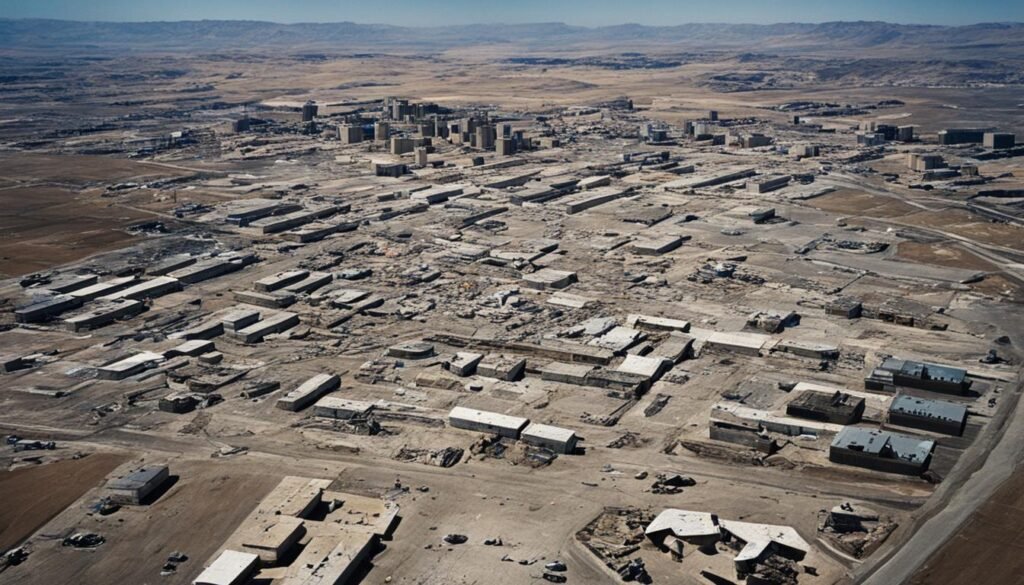
The ongoing conflict between Israel and Palestinians has been heavily influenced by the imbalance of power between the two sides. Israel’s military and economic superiority, coupled with unwavering support from the United States, has given the country a distinct advantage in the negotiations. This imbalance has allowed Israel to maintain its occupation of Palestinian territories and continue its settlement expansion without facing meaningful consequences.
The United States’ role as a mediator in the conflict has also been called into question. Due to its close ties with Israel, the US has struggled to be an impartial arbiter, often siding with the Israeli government’s policies and decisions. This has made it difficult for the Palestinians to trust the US as a neutral party in the peace process.

The disproportionate power dynamics between Israel and the Palestinians have been a significant obstacle in achieving a lasting peace settlement. The international community has a responsibility to address this imbalance and ensure that both sides are treated fairly and have equal footing in the negotiations. Without addressing this fundamental issue, the prospects for a peaceful resolution to the conflict remain uncertain.
Palestine: Middle Eastern Conflict Resolution Ramallah Palestine
Ramallah, located in the West Bank, has played a crucial role in Palestine’s efforts to resolve the Middle Eastern conflict. As the seat of the Palestinian Authority, Ramallah has been at the center of the peace process, hosting international diplomats and serving as a hub for negotiations. However, the city’s position within the larger conflict has meant that it has also been subject to the challenges and setbacks faced by the peace process, including the expansion of Israeli settlements and the governance issues within the Palestinian Authority.
Despite these obstacles, Ramallah remains a symbol of Palestinian resilience and determination. The city has become a hub for civil society organizations and grassroots activists who are working to raise awareness and advocate for a just and lasting peace. From hosting cultural events to organizing demonstrations, Ramallah has become a focal point for the Palestinian struggle for self-determination and independence.
At the same time, Ramallah’s role in the conflict has made it a target for Israeli military operations and restrictions. The city has experienced frequent raids, curfews, and closures, which have disrupted daily life and impeded economic and social development. These measures have only served to deepen the divisions between Israelis and Palestinians, underscoring the urgent need for a political solution to the conflict.
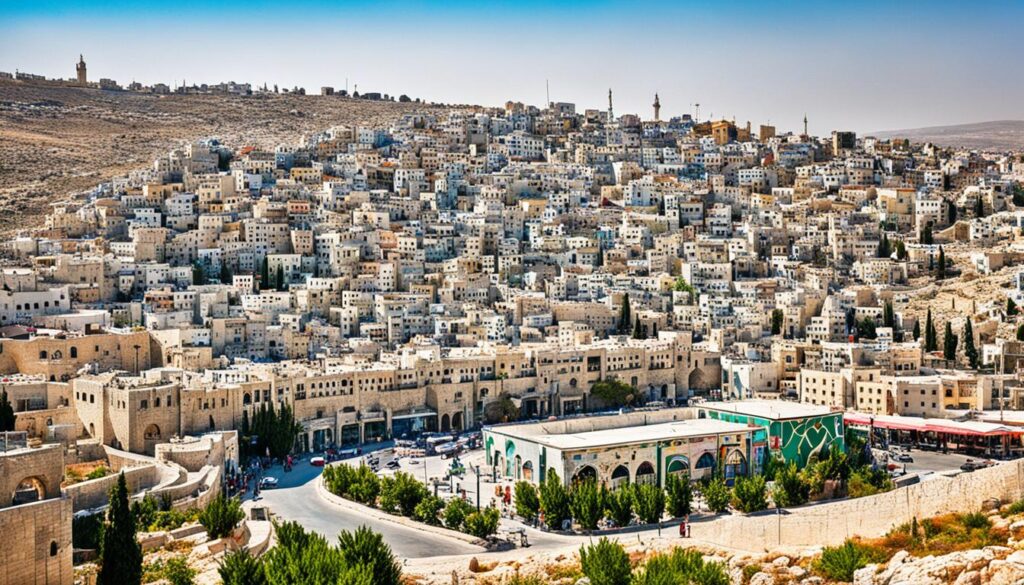
Despite the challenges, Ramallah remains a symbol of hope and resilience for Palestinians. The city’s vibrant civil society and the determination of its residents to forge a path towards peace and justice have inspired people around the world. As the conflict in the Middle East continues to unfold, Ramallah’s role in the pursuit of a just resolution will only grow in importance.
The Need for International Pressure and Advocacy
To address the stagnation of the peace process, there is a growing need for increased international pressure and advocacy on behalf of the Palestinian people. This includes raising global awareness of the ongoing injustices and human rights violations committed against Palestinians, as well as mobilizing international bodies like the United Nations to take a more active role in holding Israel accountable for its actions.
Raising Awareness and Highlighting Injustices
Grassroots efforts by peace-minded Israelis and Palestinians to bring these issues to the world’s attention can play a crucial role in generating the necessary pressure for meaningful progress in the conflict resolution process. By highlighting the injustices faced by the Palestinian population, such as the expansion of illegal settlements, the restriction of movement, and the denial of basic rights, the international community can be compelled to take a stronger stance and demand accountability.

The advocacy for Palestinian rights must extend beyond the corridors of power and into the global public consciousness. By raising awareness and amplifying the voices of those affected by the conflict, the international pressure can translate into tangible political and diplomatic actions that can help break the deadlock and pave the way for a just and sustainable resolution.
Engaging with Hamas and the Palestinian Authority
The international community’s policy of non-engagement with Hamas, the de facto governing authority in the Gaza Strip, has been a significant obstacle to progress in the peace process. While Hamas’s long-standing denial of Israel’s right to exist has made it a challenging partner, engaging with the group and the Palestinian Authority is essential for establishing a unified Palestinian negotiating position and increasing the chances of a sustainable peace agreement.
Dropping the “no-contact” policy and starting a dialogue with both Hamas and the Palestinian Authority could help re-establish their legitimacy and capacity to contribute positively to the well-being of both the Palestinian and Israeli people. This engagement is crucial for bridging the divide between the two Palestinian factions and creating a unified negotiating platform that can effectively engage with Israel and the international community.
By fostering open communication and trust-building measures, the international community can encourage Hamas and the Palestinian Authority to work together towards a shared vision for a peaceful resolution to the conflict. This approach could pave the way for more constructive negotiations, ultimately leading to a lasting and equitable settlement that addresses the core concerns of both the Palestinian and Israeli populations.
The United Nations’ Role in Peacemaking Efforts
The United Nations has been a key player in the ongoing efforts to resolve the Israeli-Palestinian conflict. As a member of the Middle East Quartet, along with the United States, Russia, and the European Union, the UN has played a coordinating role in international peacemaking initiatives. The League of Arab States has also been an influential voice, advocating for the rights of the Palestinian people and proposing various peace plans.
The Middle East Quartet and League of Arab States
Despite the UN’s involvement, the peacemaking efforts in the region have faced significant challenges and setbacks. The lack of unity and decisive action from these international bodies has been a major obstacle in bringing about a lasting peace. The Middle East Quartet, in particular, has been criticized for its inability to broker a comprehensive agreement between the Israelis and Palestinians.
The League of Arab States, on the other hand, has been more vocal in its support for the Palestinian cause. However, the internal divisions and differing priorities within the League have sometimes hindered its ability to present a united front on the issue. The need for a more coordinated and effective international response to the conflict remains a pressing concern.
As the United Nations continues to play a role in the peacemaking efforts, the international community must find ways to overcome the obstacles and work towards a just and sustainable solution to the Israeli-Palestinian conflict. The future stability and security of the region depend on the success of these efforts.
The Office of the UN Special Coordinator
The United Nations Special Coordinator for the Middle East Peace Process (UNSCO) plays a pivotal role in supporting peace negotiations and the implementation of political agreements between Israel and the Palestinians. Based in Jerusalem, Ramallah, and Gaza, the Special Coordinator serves as the central point of contact on the ground for UN support to peace initiatives, including the work of the Middle East Quartet.
Coordinating UN Agencies’ Humanitarian Assistance
UNSCO is also responsible for coordinating the activities of more than twenty UN agencies, funds, and programs providing humanitarian and development assistance to the Palestinians. This collaborative effort ensures that the UN’s humanitarian aid is delivered effectively and efficiently to those in need, addressing pressing issues such as food security, healthcare, and infrastructure development.
By serving as the central hub for UN operations in the region, the Office of the UN Special Coordinator plays a vital role in supporting the peace process and improving the living conditions of the Palestinian people. Through its coordination and facilitation efforts, UNSCO aims to foster greater cooperation and understanding between the parties involved in the conflict.
Grassroots Activism and Civil Society Engagement
Alongside high-level diplomatic efforts, grassroots activism and civil society engagement have been crucial in the push for a peaceful resolution to the Israeli-Palestinian conflict. Organizations like The Carter Center have collaborated closely with Palestinian and Israeli civil society leaders, youth groups, and human rights practitioners to promote dialogue, consensus-building, and a greater understanding of the human rights situation in the region. These initiatives have helped to amplify the voices of those working at the community level and create pathways for meaningful change, despite the challenges posed by the ongoing conflict.
The engagement of civil society groups has been instrumental in raising awareness and highlighting the injustices experienced by both Israelis and Palestinians. Through advocacy campaigns, educational programs, and grassroots mobilization, these organizations have worked tirelessly to build bridges between the two communities and advocate for a just and sustainable peace. Their efforts have helped to counteract the divisive rhetoric and power imbalances that have often characterized the conflict.
Moreover, the involvement of Palestinian and Israeli youth in these grassroots initiatives has been particularly crucial, as they represent the future leaders and decision-makers who will shape the region’s trajectory. By fostering cross-cultural understanding and empowering young people to become agents of change, these civil society efforts have the potential to lay the groundwork for a more inclusive and equitable future.
Source Links
- Supporting Peace in Israel and the Occupied Palestinian Territory – https://www.cartercenter.org/peace/conflict_resolution/israel-palestine/index.html
- From Ramallah to Paris: The Middle East’s forgotten conflict – https://www.clingendael.org/publication/ramallah-paris-middle-easts-forgotten-conflict
- Middle East Peace Process – https://unsco.unmissions.org/middle-east-peace-process