

Palau, a small Pacific island nation, is setting a global example in marine conservation. With 80% of its waters designated as the Palau National Marine Sanctuary, the country has the world’s sixth-largest protected ocean area, a remarkable achievement for a nation of just over 17,000 people. This sanctuary is not only a testament to Palau’s commitment to preserving its rich marine biodiversity but also a crucial step in addressing the global challenges of climate change and ocean degradation.
Key Takeaways
- Palau has established the Palau National Marine Sanctuary, which covers 80% of its territorial waters.
- The sanctuary is the world’s sixth-largest protected ocean area, a significant contribution to global marine conservation.
- Palau’s marine protected areas management efforts are centered in Ngerulmud, the country’s capital.
- The sanctuary plays a crucial role in maintaining the ocean’s function as an effective carbon sink and building marine resilience to climate change.
- Palau’s community-based approach to marine spatial planning and sustainable tourism development supports the long-term sustainability of its marine ecosystems.
Palau’s Commitment to Ocean Conservation
Palau has long been a leader in marine protected areas management and coastal ecosystem conservation. In 2001, the nation established the first shark sanctuary in the region, demonstrating its commitment to preserving the island’s rich biodiversity. This commitment continued in 2003 when Palau joined the Micronesia Challenge, a regional initiative aimed at designating a network of near-shore protected areas.
Establishment of the Palau National Marine Sanctuary
In 2015, President Tommy E. Remengesau Jr. signed legislation establishing the Palau National Marine Sanctuary, a vast protected area that is home to more than 1,300 species of fish and 700 kinds of coral. This sanctuary is a crucial step in Palau’s efforts to build marine resilience to climate change, allowing fish populations to rebound and reducing the by-catch of species that are critical to ocean health.
Significance of the Sanctuary for Global Ocean Health
The Palau National Marine Sanctuary is not only significant for the nation’s marine protected areas management and coral reef conservation efforts but also for the global ocean health. By protecting this diverse and ecologically important region, Palau is contributing to the sustainable management of coastal ecosystems and promoting community-based management practices that can serve as a model for other island nations and coastal communities around the world.

Ngerulmud: Heart of Marine Conservation Efforts
Nestled in the heart of Palau, the capital city of Ngerulmud has become the epicenter of the country’s marine conservation initiatives. This strategic location serves as a hub for the collaborative efforts between government agencies and international partners, all dedicated to protecting the nation’s vibrant coastal ecosystems and marine biodiversity.
Collaboration between Government Agencies and International Partners
The Ministry of Agriculture, Fisheries, and the Environment (MAFE) and the Ministry of Justice (MOJ) have forged strong partnerships with organizations like The Nature Conservancy (TNC) and WildAid. These alliances have been instrumental in enhancing enforcement coordination and developing a comprehensive conservation academy curriculum for the Palau Protected Areas Network (PAN) Rangers.
This interdisciplinary approach aims to equip the PAN Rangers with the necessary skills and knowledge to effectively enforce and manage the country’s network of marine protected areas. By harnessing the expertise and resources of both local and international stakeholders, Palau is poised to lead the way in sustainable ocean governance and climate change adaptation.
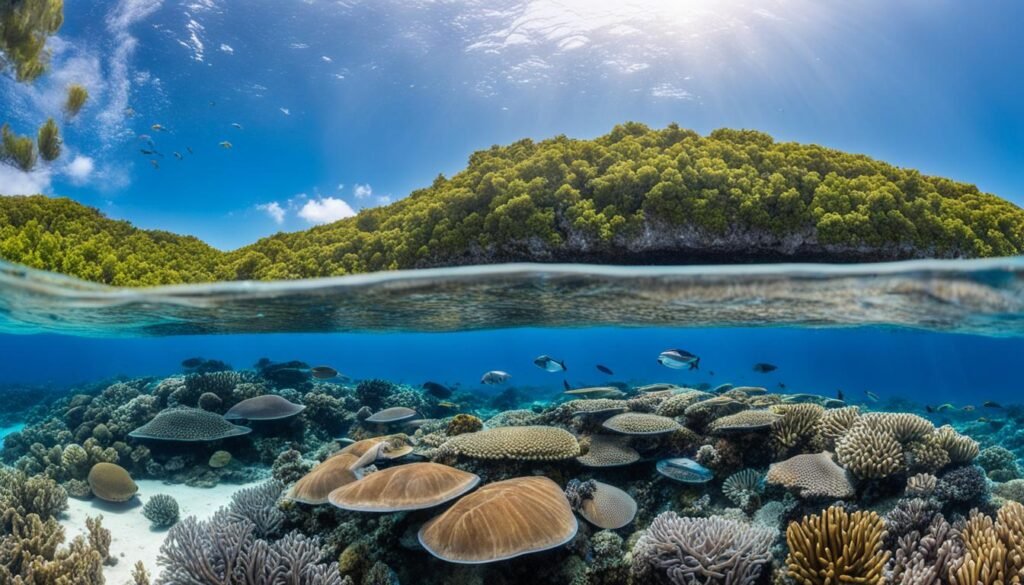
Ngerulmud’s strategic location and the collaborative efforts of its government agencies and international partners have positioned it as the heart of Palau’s marine conservation endeavors. Through innovative programs, capacity-building initiatives, and community engagement, this vibrant capital city is driving the nation’s efforts to safeguard its precious coastal ecosystems and marine resources for generations to come.
Palau: Marine protected areas management Ngerulmud Palau
Palau has established a robust legal framework to support the enforcement and management of its marine protected areas. The government has appointed a legal advisor to assist in developing legislation that would provide state PAN rangers with the authority to enforce state laws and identify key strategies to guide the development of policies to support both state government in the enforcement and management of PAN sites.
This comprehensive approach to marine spatial planning and ocean governance in Palau is crucial for the conservation of its coral reef ecosystems and island biodiversity. By empowering local communities and implementing community-based management practices, Palau aims to ensure the sustainable use of its coastal resources and promote climate change adaptation measures.
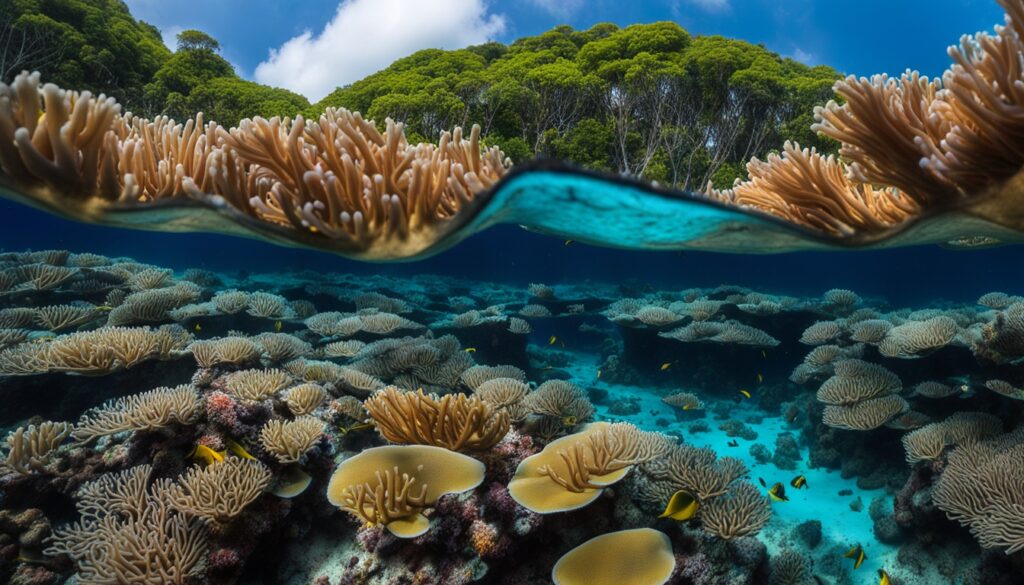
The legal framework for marine protected areas management in Ngerulmud, Palau, underscores the country’s commitment to preserving its marine environment. This holistic approach to ocean governance not only safeguards the health of Palau’s coral reefs and coastal ecosystems but also supports sustainable tourism and the livelihoods of local communities.
Capacity Building for PAN Rangers
Palau’s Protected Areas Network (PAN) has been proactively strengthening the enforcement capabilities of its rangers to safeguard the nation’s marine protected areas. Through a strategic partnership with WildAid, a renowned conservation organization, PAN has developed a comprehensive conservation academy curriculum to enhance the training and skills of its dedicated rangers.
This collaborative initiative aims to equip the PAN Rangers with the necessary knowledge and tools to effectively enforce regulations and manage the protected coastal ecosystems of Palau. By investing in the capacity building of these frontline guardians, the program ensures the long-term sustainability of Palau’s marine biodiversity and coral reef habitats, which are crucial for the island’s sustainable tourism industry and community-based management of coastal resources.
Partnership with WildAid for Conservation Academy Curriculum
The PAN Rangers’ training curriculum, developed in partnership with WildAid, covers a wide range of topics, including marine spatial planning, ocean governance, and climate change adaptation strategies. This comprehensive approach empowers the rangers to navigate the complex challenges of marine protected areas management, ensuring the effective enforcement of regulations and the preservation of Palau’s unique island biodiversity and coastal ecosystems.
By investing in the capacity building of its PAN Rangers, Palau demonstrates its unwavering commitment to community-based marine conservation efforts. This initiative not only strengthens the on-the-ground enforcement of protected areas but also fosters a deeper understanding and appreciation for the critical role of these rangers in safeguarding Palau’s natural heritage for present and future generations.
Community Engagement and Sustainable Tourism
Palau’s commitment to ocean conservation extends far beyond government agencies and international partnerships. The island nation has prioritized community engagement and sustainable tourism as integral components of its marine protected areas management strategy in Ngerulmud. By involving local communities in the decision-making process, Palau ensures that its coastal ecosystems and island biodiversity are protected in a way that aligns with the needs and values of the people who rely on these resources.
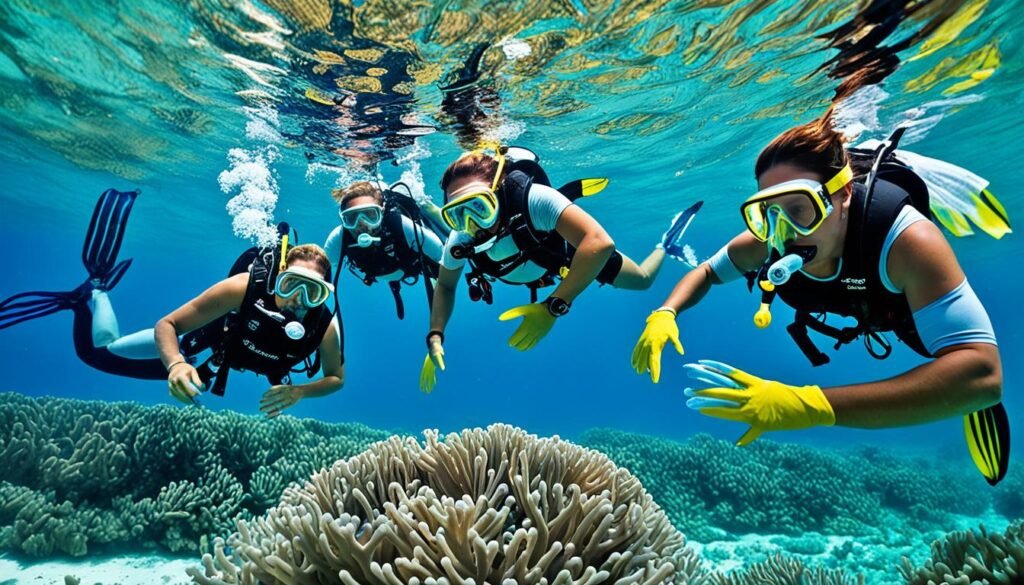
Through a community-based management approach, Palau empowers its citizens to take an active role in marine spatial planning and ocean governance. This collaborative model not only fosters a deeper sense of ownership and stewardship among the local population, but also helps to inform sustainable tourism practices that minimize the impact on the delicate coral reef ecosystems and coastal environments.
By embracing sustainable tourism, Palau is able to balance its commitment to marine protected areas management in Ngerulmud with the economic needs of the island. Visitors are educated on the importance of coral reef conservation and encouraged to engage in activities that support the island’s climate change adaptation efforts, further strengthening the community’s role in safeguarding Palau’s natural wonders for future generations.
Climate Change Resilience and Coastal Development Planning
As an island nation, Palau is particularly vulnerable to the impacts of climate change, including rising sea levels and ocean acidification. In response, the country is investing in unique opportunities to enhance climate resilience and sustainable coastal development planning. At the heart of these efforts is the conservation of Palau’s coral reefs, which play a crucial role in maintaining the health and function of the island’s marine ecosystems.
Importance of Coral Reef Conservation
Palau’s coral reefs provide natural barriers against coastal erosion and storm surges, offering critical protection for the island’s communities and infrastructure. These vibrant ecosystems also support a diverse array of marine life, contributing to the island’s rich island biodiversity and serving as a foundation for sustainable tourism. By prioritizing coral reef conservation, Palau is taking proactive steps to bolster its climate change resilience and safeguard the long-term viability of its coastal ecosystems.
Through community-based management and marine spatial planning initiatives, Palau is empowering local stakeholders to play a central role in ocean governance and the conservation of its coral reefs. This collaborative approach ensures that the unique needs and perspectives of Palau’s coastal communities are integrated into the island’s climate change adaptation strategies, fostering a more resilient and sustainable future.
Historical and Cultural Significance of Peleliu Island
Nestled within the crystal-clear waters of Palau, Peleliu Island holds a remarkable historical and cultural significance that has endured through the decades. This small island was the site of a fierce battle during World War II, forever etching its name in the annals of history. Today, Peleliu has been designated as a U.S. National Historic Landmark, a testament to its pivotal role in shaping the course of the conflict.
By preserving and promoting the island’s rich heritage, Palau is not only honoring the sacrifices of the past but also creating unique opportunities for sustainable tourism and community engagement in its marine conservation efforts. Visitors to Peleliu can immerse themselves in the island’s living history, exploring the remnants of the battle and learning about the cultural traditions that have endured through the generations.
Through this community-based approach to marine protected areas management, Palau is showcasing the powerful synergy between preserving the past and safeguarding the future. By weaving the island’s historical significance into its overall conservation strategy, the nation is able to foster a deeper connection between people and the coastal ecosystems they depend upon, ultimately strengthening the resilience of these vital marine environments in the face of climate change and other emerging challenges.
Funding and Technical Assistance from the U.S. Department of the Interior
Palau’s marine conservation efforts have received significant support from the United States Department of the Interior. The Office of Insular Affairs Technical Assistance Program has provided a $1,008,000 grant to fund various projects that are crucial for the country’s sustainable development and environmental protection.
These projects include the establishment of the National Repository of Youth and Workforce Development, the Cheberdil (Young Sprouts in Palauan) Belau Youth Center, and an assessment of the Palau Ngerimel Dam and Reservoir. This funding demonstrates the U.S. government’s commitment to partnering with Palau in its efforts to manage its marine protected areas, conserve coral reefs, promote sustainable tourism, protect island biodiversity, and address coastal ecosystems and climate change adaptation challenges.
The strong collaboration between Palau and the U.S. Department of the Interior is a testament to the countries’ shared vision for community-based management, marine spatial planning, and ocean governance. This partnership will continue to support Palau’s conservation initiatives and ensure the long-term sustainability of its marine resources for future generations.
Conclusion
Palau’s innovative approach to marine protected areas management in Ngerulmud stands as a shining example for island nations worldwide. Through collaborative efforts among government agencies, international partners, and local communities, the country has demonstrated its unwavering commitment to coral reef conservation and sustainable tourism. This comprehensive approach not only safeguards Palau’s island biodiversity and coastal ecosystems but also empowers its people through community-based management and marine spatial planning.
The establishment of the Palau National Marine Sanctuary and the nation’s proactive stance on ocean governance and climate change adaptation have earned global recognition. The support received from the U.S. Department of the Interior further underscores the importance of international cooperation in addressing the pressing challenges facing our oceans. Palau’s leadership in this domain serves as an inspiration, demonstrating that with vision, determination, and a collaborative spirit, even small island nations can make a significant impact on the health and resilience of our shared marine resources.
As the international community continues to grapple with the complexities of sustainable development and environmental stewardship, Palau’s model of marine protected areas management in Ngerulmud offers a roadmap for others to follow. By embracing innovative approaches, fostering cross-border partnerships, and empowering local communities, Palau is poised to remain a global leader in the preservation and management of our precious ocean ecosystems.
Source Links
- Palau Delights in Vast Pacific Marine Sanctuary | Environment News Service (ENS) – https://ens-newswire.com/palau-delights-in-vast-pacific-marine-sanctuary/
- Secretary Haaland Highlights Conservation Investments in the Republic of Palau | U.S. Department of the Interior – https://www.doi.gov/oia/press/Secretary-Haaland-Highlights-Conservation-Investments-in-the-Republic-of-Palau
- PDF – https://www.palaupanfund.org/pdf/ENFORCEMENT & WildAid PR_4.15.22.pdf