

Did you know that Mozambique’s coastline stretches over 1,600 miles along the Indian Ocean? This strategic location has made the country a hub of maritime commerce for centuries, with the port city of Maputo playing a pivotal role in Indian Ocean trade. This article delves into the fascinating history and contemporary significance of Indian Ocean trade studies in Maputo, shedding light on Mozambique’s pivotal position in regional and global commerce.
Key Takeaways
- Mozambique’s extensive coastline along the Indian Ocean has made it a key player in maritime trade for centuries.
- The port city of Maputo is a bustling center of Indian Ocean commerce, with a rich history of regional and global trade.
- Indian Ocean trade studies in Maputo provide valuable insights into the country’s economic history and its role in regional and international commerce.
- Mozambique’s strategic location and its evolving trade partnerships offer opportunities for further economic growth and development.
- Understanding the dynamics of Indian Ocean trade is crucial for businesses and policymakers seeking to engage with Mozambique’s vibrant commercial landscape.
Mozambique: A Strategic Maritime Gateway
Mozambique’s long coastline along the Indian Ocean has made it a strategic maritime gateway for centuries. The region’s historical trade routes connected the African interior to the Middle East and South Asia, with centers like the Swahili sultanates and Great Zimbabwe exerting influence over regional commerce.
Historical Trade Routes Along the Indian Ocean Coast
Mozambique’s position on the Indian Ocean coast has been integral to its maritime history. The country’s strategic location along ancient trade routes facilitated the exchange of goods, ideas, and cultures between Africa, the Middle East, and Asia. From the rise of the Swahili city-states to the influence of Great Zimbabwe, Mozambique’s coastal trading network played a crucial role in shaping regional commerce.
Maputo: Mozambique’s Bustling Port City
At the heart of Mozambique’s maritime history lies the bustling port city of Maputo. Serving as the country’s capital and largest city, Maputo has long been a hub for international trade, connecting the African continent to global markets across the Indian Ocean. The city’s strategic location and well-developed port infrastructure have made it a key player in Mozambique’s regional and global commerce.
The Rise of Great Zimbabwe and Swahili Sultanates
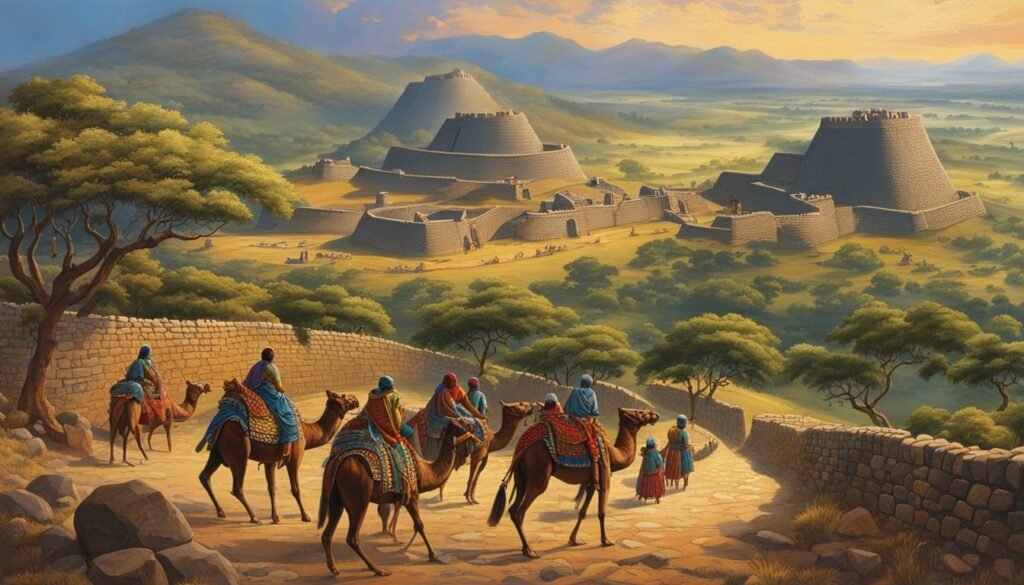
During the 13th to 15th centuries, the civilization of Great Zimbabwe rose to dominance in the region, wielding significant political power and controlling key mining and trade activities. Great Zimbabwe’s influence extended beyond its highland heartland, reaching the Mozambican lowlands, where the Zimbabwe settlement at Manekweni mirrored the social and settlement patterns of the interior. This coastal outpost served as a center for agriculture, cattle rearing, and the lucrative gold trade.
Concurrently, smaller Swahili sultanates developed along the northern coast of Mozambique, actively participating in the extensive trade networks of the Indian Ocean world. These sultanates, with their strategic coastal locations, played a vital role in connecting the African interior commerce with the thriving maritime trade routes that spanned the Indian Ocean.
Influence of Great Zimbabwe on Regional Trade
The ascendancy of Great Zimbabwe had a profound impact on the regional trade networks that flourished during this period. The civilization’s control over mining and trading activities allowed it to exert considerable influence over the flow of goods, particularly the export of gold, across the vast hinterland. This centralized authority and the established trade routes facilitated the integration of the African interior with the Indian Ocean maritime trade system, further strengthening Great Zimbabwe’s position as a regional powerhouse.
Portuguese Colonization and Trade Dominance
The arrival of the Portuguese in the early 16th century marked a significant shift in Mozambique’s trade dynamics. The Portuguese gained control of key coastal outposts like the Island of Mozambique and the port city of Sofala, allowing them to exert greater influence over the gold, ivory, and slave trades that dominated the Indian Ocean commerce. Over the following centuries, the Portuguese attempted to consolidate their trade and settlement positions in the region, though they faced ongoing challenges from Arab and other European powers also seeking to expand their presence in this lucrative maritime realm.
The Portuguese colonization of Mozambique significantly impacted the country’s trade dominance along the Indian Ocean coast. By establishing strategic trading posts and fortified settlements, the Portuguese were able to control and profit from the flow of valuable commodities, including gold, ivory, and human cargo, through the regional trade networks. This colonial influence reshaped Mozambique’s economic and social landscape, as the Portuguese sought to exploit the country’s natural resources and position it as a hub for their broader commercial interests in the Indian Ocean basin.
Despite the Portuguese’s commercial ambitions, they encountered resistance from local populations and competing European powers, such as the Dutch and British, who also sought to establish their own trading dominance in the region. The resulting conflicts and power struggles would continue to shape Mozambique’s trade dynamics and its relationship with the colonial powers for centuries to come.
The Slave Trade and Its Impact
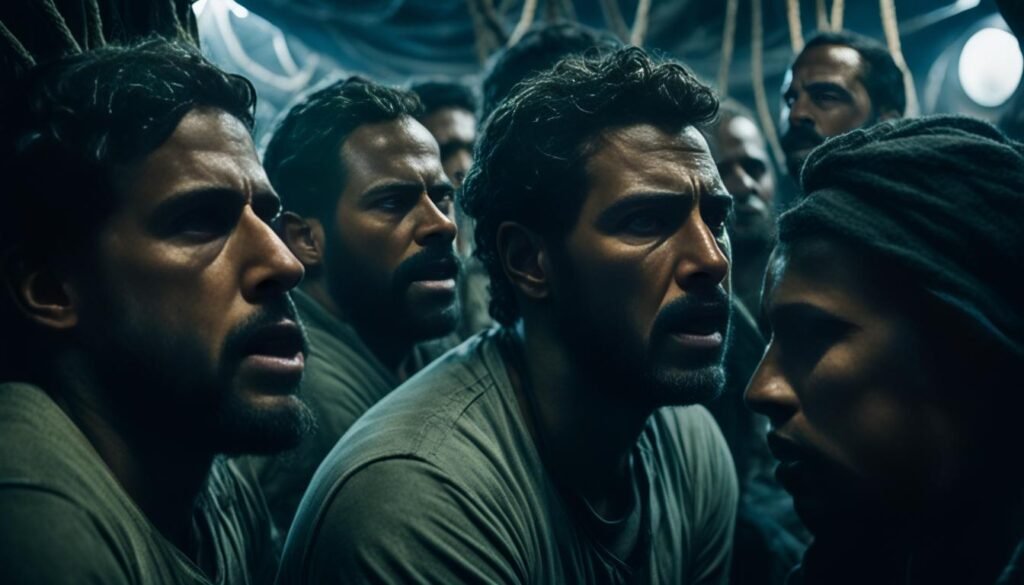
Mozambique played a significant role in the Indian Ocean slave trade, becoming an increasingly important part of the region’s export trade by the 18th century. The Yao people developed extensive slave networks, transporting captives from the Marave area to the East African coast. Meanwhile, traders along the Zambezi River, known as the prazo system, sold gold and slaves to Portuguese merchants, contributing to the export-import dynamics of the Indian Ocean world.
Mozambicans were sold as slaves in various trade networks throughout the Indian Ocean, including the Portuguese, Brazilian, Arab, and French markets. Despite efforts to curb the slave trade in the mid-19th century, the impact of the Indian Ocean slave trade on Mozambique and its people was profound, with long-lasting consequences.
Mozambique’s Role in the Indian Ocean Slave Trade
The Yao trade networks and the prazo system played a crucial role in Mozambique’s participation in the Indian Ocean slave trade. The Yao people, based in the Marave region, established extensive slave trading routes that connected the interior to the East African coast, fueling the export of captives. Similarly, the Portuguese-controlled prazo system along the Zambezi River facilitated the sale of gold and slaves to Portuguese merchants, contributing to the wider export-import dynamics of the region.
Mozambique: Indian Ocean Trade Studies Maputo Mozambique
Mozambique’s strategic location along the Indian Ocean coast has made it a focal point for scholars studying the history and contemporary dynamics of maritime trade in the region. Researchers from around the world are drawn to Maputo, the country’s bustling port city, to explore Mozambique’s pivotal role in the Indian Ocean trade networks that have shaped the economic and social fabric of the region for centuries.
Through in-depth examinations of Mozambique’s maritime history, these scholars shed light on the trading routes, commercial hubs, and cultural exchanges that have connected this part of Africa to the broader Indian Ocean world. By analyzing historical records, archaeological evidence, and modern economic data, they uncover the profound impacts that international commerce has had on Mozambican society, from the rise of regional trading powers to the legacies of the transatlantic slave trade.
Maputo, with its strategic port and cosmopolitan character, has become a hub for this interdisciplinary research, attracting experts in fields ranging from history and anthropology to economics and political science. The city’s unique position at the intersection of Mozambique’s past and present offers scholars invaluable opportunities to study the complex interplay between maritime trade, regional commerce, and the economic development of the country.
As Mozambique continues to navigate the challenges and opportunities of globalization, the insights gleaned from these Mozambique Indian Ocean trade studies in Maputo will be crucial in shaping the country’s economic and social trajectories, underscoring the enduring relevance of its maritime heritage.
Nguni Invasions and the Gaza State
The early 19th century saw a surge of military and raiding groups from conflicts in the northern Nguni heartland, profoundly impacting southern and west-central Mozambique. Groups like the Jere under Zwangendaba and the Ndwandwe (Ngoni) under Soshangane swept through the region, seizing cattle, hostages, and food, disrupting both trade and everyday production.
Soshangane’s Ndwandwe group eventually consolidated itself into the Gaza state, which continued to shape the political and economic dynamics of the Mozambique regional conflicts. The Nguni invasions and the rise of the Gaza state had far-reaching consequences, including trade disruptions and military raids that transformed the landscape of the region.
The impact of the Nguni invasions and the establishment of the Gaza state was significant, as they brought instability and conflict to the area. This disrupted established trade routes and patterns, leading to widespread economic and social upheaval. The military raids and the consolidation of power by the Gaza state altered the power dynamics in the region, with lasting effects on Mozambique’s history and development.
The Indian Ocean Trade Scholars
Mozambique’s strategic position in the Indian Ocean has attracted a diverse group of scholars who study the country’s rich maritime history and contemporary trade dynamics. Researchers from institutions like The Continents States University in the United States, Florida International University, and SOAS University of London have made significant contributions to the field, examining topics such as the origins of Indian Ocean trade networks, the impact of colonization, the legacy of the slave trade, and Mozambique’s evolving role in regional and global commerce.
These Indian Ocean trade scholars bring a wealth of academic expertise to the study of Mozambique’s maritime history and regional commerce. Their research has provided valuable insights into the historical trade routes that connected the country to the broader Indian Ocean world, as well as the factors that have shaped the evolution of Mozambique’s role as a strategic maritime gateway.
The work of these scholars has not only enriched our understanding of Mozambique’s past but also has important implications for the present and future. By analyzing the long-standing trade patterns and commercial relationships that have defined the region, they offer crucial perspectives on the challenges and opportunities facing Mozambique in the modern global economy.
Through their Mozambique research and publications, these academic experts have made significant contributions to the field of maritime history, shedding light on the complex interplay of cultural, political, and economic forces that have shaped the region’s development. Their work continues to inform ongoing discussions and debates surrounding the role of Mozambique in the Indian Ocean trade, making them invaluable resources for policymakers, businesses, and the general public alike.
Maputo’s Modern Trade Landscape
Maputo, Mozambique’s capital and largest city, continues to serve as a vital hub for international trade in the region. Today, South Africa, China, India, the Netherlands, and Portugal are among Mozambique’s key Maputo port trade partners, with significant commerce in commodities like natural gas, minerals, and agricultural products. The modern trade dynamics in Maputo showcase the country’s strategic role in regional commerce.
Key Trade Partners and Commodities
Mozambique’s export-import analysis reveals a diverse range of trade relationships. The country’s Mozambique trade partners include global economic powerhouses like China and India, as well as regional players such as South Africa. These partners engage in the exchange of a wide array of commodities, including natural resources like natural gas and minerals, as well as agricultural products.
The influx of foreign direct investment, particularly from the U.S. and France in Mozambique’s energy sector, has further cemented the country’s position in the modern Indian Ocean trade landscape. The discovery of vast natural gas reserves in the Rovuma Basin, off the northern coast, has generated substantial demand for Mozambique’s exports, solidifying its role as a regional commerce center.

U.S. Trade and Investment in Mozambique
The United States has emerged as a prominent trade and investment partner for Mozambique in recent years. In 2019, the two nations signed a Bilateral Memorandum of Understanding on Commercial Relations and Priority Projects, aimed at facilitating bilateral trade and investment in key sectors such as agribusiness, energy, and infrastructure.
Beyond the trade agreements, the U.S. government has also been a significant provider of development assistance to Mozambique. In fiscal year 2022, the U.S. allocated over $800 million in bilateral aid to support various initiatives in the country. This includes a $537 million compact signed in 2023 between the U.S. Millennium Challenge Corporation and Mozambique, focused on strengthening rural infrastructure and boosting agricultural productivity.
Bilateral Agreements and Development Assistance
The deepening U.S.-Mozambique economic engagement has helped drive investment and economic growth in Mozambique. The bilateral agreements have opened new doors for U.S. companies to explore opportunities in the country, while the development assistance has complemented these efforts by addressing critical infrastructure and capacity-building needs.
As Mozambique continues to diversify its economy and attract foreign investment, the strengthening of U.S.-Mozambique trade and investment ties holds significant promise for the country’s future economic development.
Economic Outlook and Challenges
Mozambique’s economy is steadily recovering from the impacts of the COVID-19 pandemic. Growth is expected to accelerate to a robust 6%-7% between 2023 and 2025, driven by the continued recovery in the services sector, increased liquefied natural gas (LNG) production, and high commodity prices. However, the country faces several prominent economic challenges that could impede this positive Mozambique economic outlook.
One of the key issues is the persistent ISIS-affiliated insurgency in northern Mozambique, which has disrupted economic activity and investment in the region. Additionally, there is uncertainty surrounding the large onshore LNG projects, which are crucial for the country’s future economic growth. Commodity price instability and vulnerability to climate disasters also pose significant risks to Mozambique’s economic progress.
In response to these challenges, the Mozambican government has launched an economic acceleration stimulus package aimed at implementing reforms to improve the business environment and put the private sector at the center of the country’s development efforts. These reform efforts are crucial for attracting much-needed investment and fostering sustainable economic growth in Mozambique.

Conclusion
Mozambique’s strategic location along the Indian Ocean has positioned it as a critical player in regional and global trade networks for centuries. The country’s rich maritime history, from the rise of Great Zimbabwe and the Swahili sultanates to the impacts of Portuguese colonization and the slave trade, has shaped the dynamics of Indian Ocean commerce. Today, Maputo serves as a hub for scholars studying this captivating past and the contemporary trade landscape.
As Mozambique continues to evolve, its role in Mozambique Indian Ocean trade studies and regional commerce remains a subject of keen interest and importance. The Mozambican government is working to capitalize on the country’s economic potential, while also addressing ongoing challenges. Through these efforts, Mozambique aims to solidify its position as a pivotal player in the Indian Ocean trade ecosystem and contribute to the region’s prosperous future.
Ultimately, Mozambique’s strategic maritime gateway and its deeply intertwined history with Indian Ocean trade make it a fascinating case study for researchers, policymakers, and global commerce enthusiasts alike. As Maputo’s modern trade landscape evolves, the country’s ability to navigate the complexities of regional commerce will undoubtedly shape its economic trajectory and influence within the broader Indian Ocean trade ecosystem.
Source Links
- Mozambique – Zimbabwe Civilizations, Trade, Bantu – https://www.britannica.com/place/Mozambique/The-rise-of-the-zimbabwe-civilizations
- Mozambique – Market Overview – https://www.trade.gov/country-commercial-guides/mozambique-market-overview
- CRG Indian Ocean members | AEGIS – https://www.aegis-eu.org/crg-indian-ocean-members