

Did you know that Montenegro’s Adriatic coastline accounts for only 13% of the country’s total land area, yet it attracts over 80% of the nation’s tourists? This staggering statistic underscores the critical importance of effective coastal management in Podgorica, Montenegro’s vibrant capital city. As the country strives to balance economic growth, particularly in the tourism sector, with environmental protection and conservation initiatives, the Montenegrin government has made significant strides in developing a comprehensive approach to sustainable coastal development.
Montenegro’s Adriatic coastal region is a unique and fragile ecosystem, home to diverse marine life, pristine beaches, and a rich cultural heritage. The challenges faced by coastal managers in Podgorica include addressing the environmental impacts of tourism and urbanization, mitigating pollution and habitat degradation, and establishing effective governance structures to ensure the long-term preservation of this invaluable resource.
Key Takeaways
- Montenegro’s Adriatic coastline accounts for only 13% of the country’s total land area yet attracts over 80% of its tourists.
- The Montenegrin government is actively engaged in balancing economic growth, particularly in the tourism sector, with environmental protection and conservation initiatives.
- Coastal management in Podgorica, the capital city, focuses on addressing the environmental impacts of tourism and urbanization, mitigating pollution and habitat degradation, and establishing effective governance structures.
- Montenegro is committed to sustainable coastal development and has implemented various policies, strategies, and institutional arrangements to promote the long-term preservation of its Adriatic coastal resources.
- The country’s efforts in coastal management have been recognized through various international initiatives and projects, such as the ADRICOSM-STAR project and the Coastal Area Management Programme (CAMP) Montenegro.
Introduction to Adriatic Coastal Management in Podgorica
The Montenegrin coast along the Adriatic Sea faces a range of challenges, including increased tourism development, urbanization, and environmental pressures such as pollution and habitat degradation. To address these issues, Montenegro has recognized the importance of an integrated coastal zone management (ICZM) approach, which aims to coordinate various sectors and stakeholders in the planning and decision-making process for the sustainable use of coastal resources.
Overview of Coastal Management Challenges
The Adriatic coastal region in Podgorica, Montenegro, is experiencing a surge in tourism and urban development, which has put a strain on the local environment. Increased construction, infrastructure projects, and the influx of visitors have led to the degradation of sensitive coastal habitats, such as beaches, wetlands, and marine ecosystems. Additionally, the region faces issues with pollution, waste management, and the preservation of cultural and historical sites.
Importance of Integrated Coastal Zone Management
To tackle these complex coastal management challenges, Montenegro has embraced the principles of integrated coastal zone management (ICZM). ICZM is a comprehensive approach that seeks to balance the competing demands of economic development, environmental protection, and social well-being. By coordinating the efforts of various stakeholders, including government agencies, local communities, and the private sector, ICZM aims to ensure the sustainable use and management of the Adriatic coast in Podgorica.
Legal Framework for Coastal Management
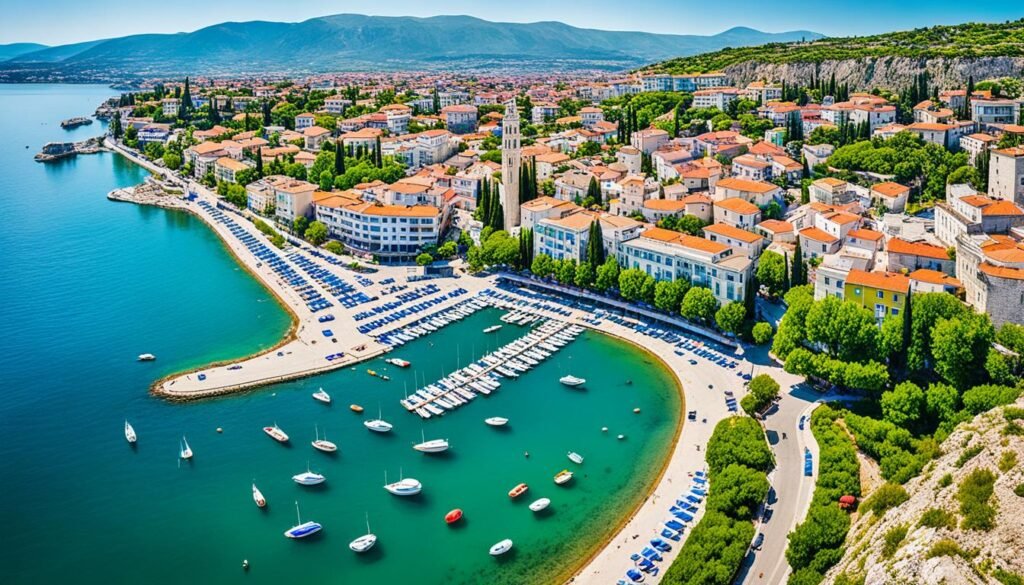
Montenegro has established a comprehensive legal framework to manage its Adriatic coastal zone. The Law on Public Maritime Domain governs the use and protection of this valuable environmental resource. This national legislation ensures the sustainable development and environmental protection of Montenegro’s coastal areas.
National Legislation on Coastal Zone Management
The Law on Public Maritime Domain is a key piece of coastal zone management legislation in Montenegro. It defines the boundaries of the public maritime domain, regulates its use, and outlines measures for environmental protection. This law provides a legal foundation for integrated coastal zone management practices in the country.
Montenegro’s Commitment to Barcelona Convention
In addition to its national laws, Montenegro is also a signatory to the Barcelona Convention, a regional agreement that promotes the protection of the Mediterranean environment and the sustainable development of coastal areas. By committing to this international treaty, Montenegro has demonstrated its dedication to environmental protection efforts along its Adriatic coastline.
The legal framework governing coastal management in Montenegro reflects the country’s commitment to preserving its Adriatic coastal zone. The combination of national laws and international agreements, such as the Barcelona Convention, provides a robust foundation for sustainable coastal development and environmental protection efforts.
Policies and Strategies for Sustainable Coastal Development
The Montenegrin government has taken a proactive approach to promoting the sustainable development of its Adriatic coast. A key component of their strategy is the National Strategy for Sustainable Development, which aims to balance economic growth, particularly in the tourism sector, with environmental protection and conservation.
Additionally, the National Strategy for Integrated Coastal Area Management outlines a comprehensive framework for managing the country’s coastal resources. This policy emphasizes the importance of coordinated, cross-sectoral efforts to address the unique challenges faced by Montenegro’s Adriatic coast, including the impacts of urbanization, pollution, and habitat degradation.
Spatial planning has also been a critical tool in Montenegro’s efforts to achieve sustainable coastal development. Various spatial plans have been developed to guide the use and management of the country’s coastal areas, with a focus on preserving natural habitats, reducing environmental impacts, and promoting economic activities that are compatible with the long-term sustainability of the Adriatic region.

Overall, Montenegro’s policies and strategies for sustainable coastal development reflect a holistic approach that recognizes the interdependence between environmental conservation, economic growth, and the well-being of coastal communities. By implementing these measures, the government aims to ensure that the Adriatic coast continues to thrive as a valuable natural and economic resource for generations to come.
Institutional Arrangements for Coastal Zone Governance
The management of Montenegro’s coastal zone involves a complex network of national and local authorities working together to implement effective coastal management policies and regulations. The Ministry of Sustainable Development and Tourism plays a crucial role in overseeing the nation’s coastal zone governance, collaborating with the Environmental Protection Agency and local municipalities to ensure the sustainable development and protection of this valuable resource.
Role of National and Local Authorities
At the national level, the Ministry of Sustainable Development and Tourism is responsible for developing and enforcing coastal management legislation, while the Environmental Protection Agency monitors environmental impacts and compliance with regulations. These national authorities work closely with local municipalities along the Montenegrin coast, who are responsible for implementing coastal management plans and engaging with stakeholders at the community level.
Stakeholder Involvement in Decision-Making
The coastal zone governance in Montenegro also involves a wide range of stakeholders, including businesses, civil society organizations, and local communities. These stakeholders are actively engaged in the decision-making process, providing valuable input and feedback to ensure that the needs and concerns of all interested parties are taken into account. This collaborative approach helps to foster a sense of shared responsibility for the sustainable management of Montenegro’s Adriatic coastal zone.
Montenegro: Adriatic Coastal Management Podgorica Montenegro
Podgorica, the capital and largest city of Montenegro, plays a pivotal role in the country’s efforts to manage its Adriatic coastal region. As a major economic and tourism hub, Podgorica’s proximity to the coast makes it a crucial area for balancing sustainable development and environmental protection along the Montenegrin coastline.
Montenegro’s commitment to the Barcelona Convention, an international agreement for the protection of the Mediterranean Sea, has influenced Podgorica’s approach to coastal management. The city has implemented policies and strategies aimed at promoting environmental protection and sustainable development within its coastal zones, recognizing the importance of this delicate ecosystem.
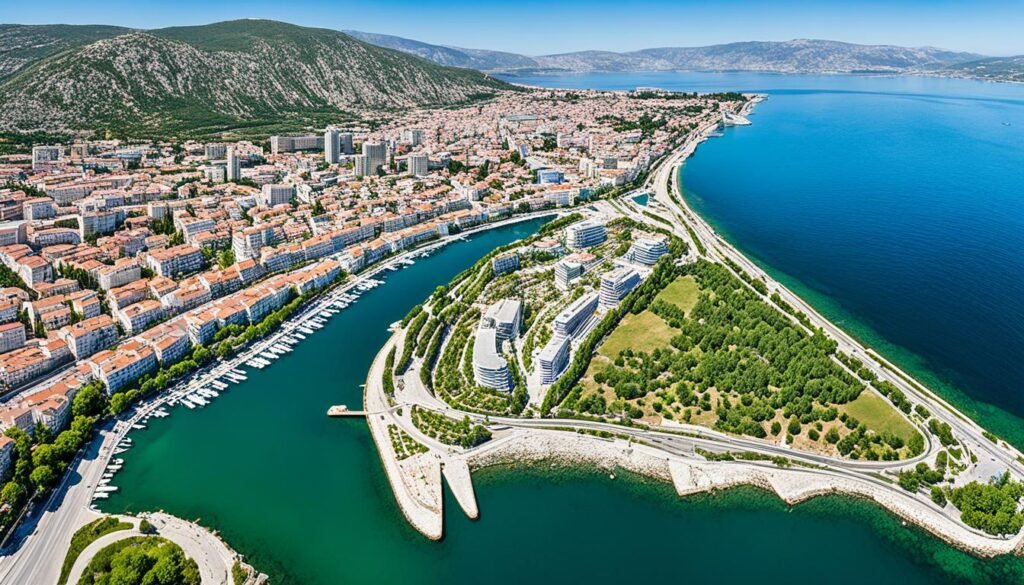
Institutional arrangements for coastal zone governance in Podgorica involve collaboration between national and local authorities, as well as the engagement of various stakeholders in the decision-making process. This multi-faceted approach ensures that the unique challenges and needs of the Adriatic coast are addressed in a comprehensive manner.
Podgorica’s role in Montenegro’s Adriatic coastal management efforts underscores the city’s commitment to environmental protection and sustainable development. By balancing economic growth and tourism with the preservation of its natural resources, Podgorica sets an example for other coastal cities in the region.
Initiatives and Projects for Coastal Conservation
Montenegro has been proactive in implementing various initiatives and projects aimed at preserving its pristine coastal resources. One such endeavor is the ADRICOSM-STAR project, funded by the Italian Ministry for the Environment, Land and Sea. This EU-funded project focuses on developing an integrated coastal and river water management system for the Bojana River Delta and the entire Montenegrin Adriatic coast, promoting sustainable environmental management practices.
ADRICOSM-STAR Project
The ADRICOSM-STAR project, a collaborative effort between Italy and Montenegro, is a prime example of the country’s commitment to coastal conservation. This EU-funded initiative aims to enhance the understanding and management of the Adriatic coastal zone, particularly the Bojana River Delta and the Montenegrin coastline. By integrating coastal and river water management, the project seeks to address the unique challenges faced by this ecologically significant region.
Coastal Area Management Programme (CAMP) Montenegro
In addition to the ADRICOSM-STAR project, Montenegro has also participated in the Coastal Area Management Programme (CAMP), a project coordinated by the United Nations Environment Programme’s Mediterranean Action Plan. CAMP focuses on promoting sustainable coastal development, addressing environmental management concerns, and fostering stakeholder engagement in the decision-making process. This initiative has been instrumental in shaping Montenegro’s approach to coastal conservation and sustainable resource utilization.
Challenges and Pressures on the Montenegrin Coast
The Montenegrin coast faces a range of pressing challenges and environmental pressures. The rapid growth of the tourism industry and increasing urbanization along the coast have had significant impacts on the local ecosystem. These developments have led to issues such as pollution, habitat degradation, and the overexploitation of natural resources, which threaten the delicate balance of the coastal environment.
Environmental Impacts of Tourism and Urbanization
The surge in tourism along the Montenegrin coast has brought economic benefits, but it has also placed a heavy burden on the local environment. The influx of visitors and the construction of new hotels, resorts, and other infrastructure have led to increased waste generation, water consumption, and the disruption of fragile coastal habitats. Urbanization, driven by the demand for housing and commercial development, has further exacerbated these environmental challenges.
Pollution and Habitat Degradation
Pollution, both from land-based sources and marine activities, is a major concern for the Montenegrin coast. Untreated sewage, industrial waste, and plastic pollution are just a few of the sources that have contributed to the degradation of coastal habitats, including beaches, wetlands, and marine ecosystems. The loss of these crucial habitats has had a cascading effect on the local flora and fauna, threatening the long-term health and resilience of the Montenegrin coast.
Marine Protected Areas in Montenegro
Montenegro has taken significant strides in establishing a robust legal framework to designate and manage marine protected areas (MPAs) along its stunning Adriatic coastline. These MPAs play a crucial role in conserving the country’s rich marine biodiversity and fragile ecosystems, which are under increasing pressure from factors such as tourism and urbanization.
Legal Framework for Marine Protected Areas
The legal foundation for Montenegro’s MPAs is rooted in the country’s environmental protection laws and international agreements, such as the Barcelona Convention for the Protection of the Marine Environment and the Coastal Region of the Mediterranean. These regulations outline the criteria for MPA designation, management, and enforcement, ensuring that the conservation efforts are grounded in a solid legal framework.
Existing and Proposed Marine Protected Areas
Currently, Montenegro has several established MPAs along its Adriatic coast, including the Platamuni, Katič, and Stari Ulcinj protected areas. These MPAs cover a range of marine habitats, from rocky shores to seagrass meadows, and are home to a diverse array of marine life, including endangered species like the loggerhead turtle and the Mediterranean monk seal. Additionally, the government has proposed the creation of new MPAs, such as the Valdanos and Buljarica sites, to further strengthen the country’s network of protected marine areas.
Montenegro’s commitment to establishing a comprehensive system of MPAs is a crucial component of its broader coastal management strategy, aimed at balancing economic development and environmental conservation in the Adriatic region. By protecting its marine ecosystems, the country is safeguarding the long-term sustainability of its natural resources and the livelihoods of coastal communities that rely on a healthy Adriatic Sea.
Conclusion
Montenegro’s approach to coastal management in Podgorica along the Adriatic Sea exemplifies the country’s dedication to balancing economic growth, particularly in the tourism sector, with environmental protection and sustainable development. Through a comprehensive legal framework, integrated policies and strategies, and collaborative governance structures, Montenegro is working diligently to address the challenges facing its coastal areas and promote the responsible utilization of its Adriatic resources.
Key takeaways from Montenegro’s coastal management efforts include the importance of a robust legal foundation, the implementation of holistic sustainable development strategies, and the engagement of diverse stakeholders in the decision-making process. By fostering this integrated and inclusive approach, Montenegro is poised to safeguard its Adriatic coastline while unlocking its economic potential in a manner that prioritizes environmental protection.
As Montenegro continues to navigate the complexities of coastal management, its commitment to sustainable development and environmental stewardship serves as a model for other nations seeking to balance economic growth and ecological preservation along their Adriatic and other coastal regions.
Source Links
- ADRIatic Sea Integrated Coastal areas and River Basin Management System – https://climate-adapt.eea.europa.eu/en/metadata/projects/adriatic-sea-integrated-coastal-areas-and-river-basin-management-system
- Microsoft Word – CAMP MN Feas Study_final 30 May 2008.doc – https://iczmplatform.org/storage/documents/FCsyYBrsrF4EGd7y37JTg6yWWqYajyAVtDuAxST8.pdf
- PDF – https://www.iucn.org/sites/default/files/content/documents/2016/en_rac_spa_adriatic_mne_2016.pdf