
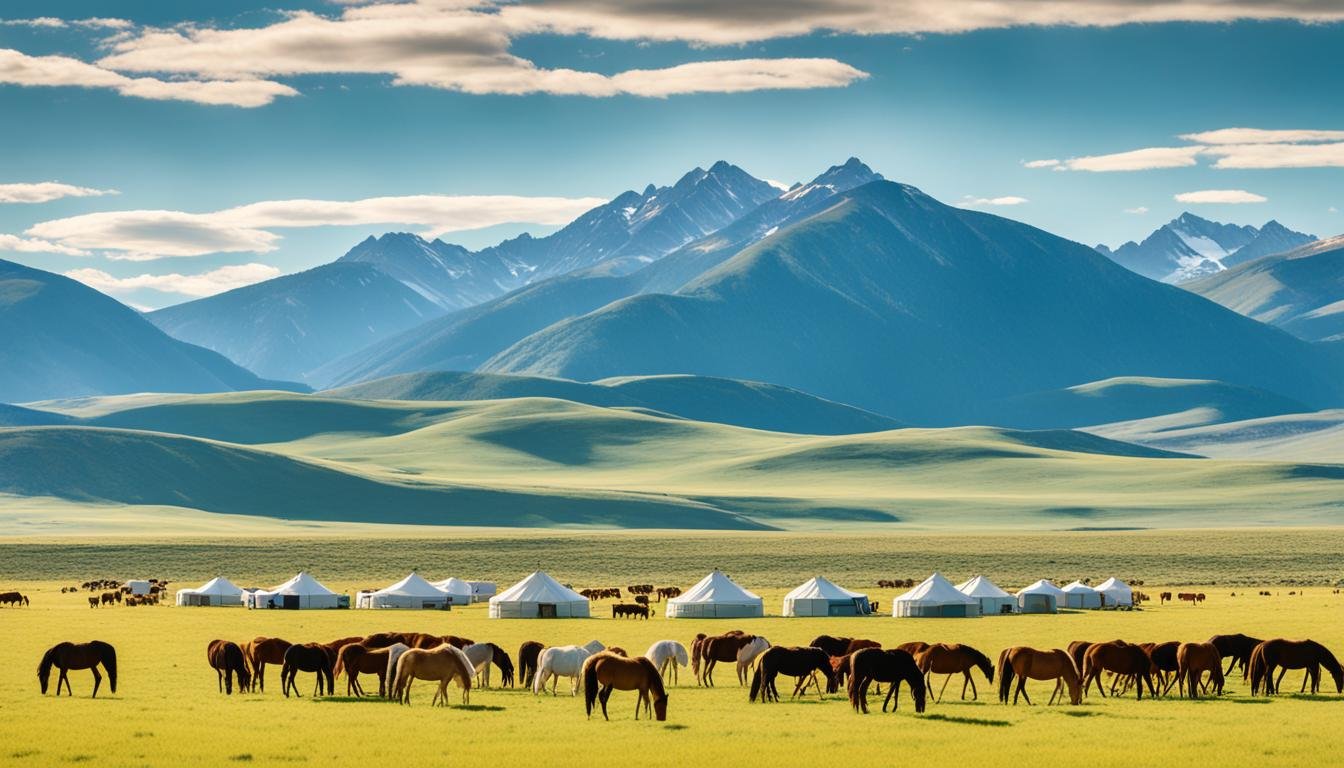
Did you know that Mongolia is home to one of the world’s largest remaining intact grassland ecosystems? This vast and ecologically significant region, known as the Eurasian Steppe, is the birthplace of the legendary Mongol Empire and a treasure trove of biodiversity. Now, the Continents States University in the United States is offering a unique Master’s program in Steppe Ecology, giving students the opportunity to explore this remarkable landscape and contribute to its conservation.
Key Takeaways
- Explore Mongolia’s vast grasslands, the birthplace of the Mongol Empire
- Study the conservation of steppe species like the Pallas’ cat and Przewalski’s horse
- Engage in field research and community-based projects
- Learn about traditional Mongolian nomadic life and sustainable land use
- Develop expertise in steppe ecosystem management and ecology
Explore the Vast Grasslands of Mongolia
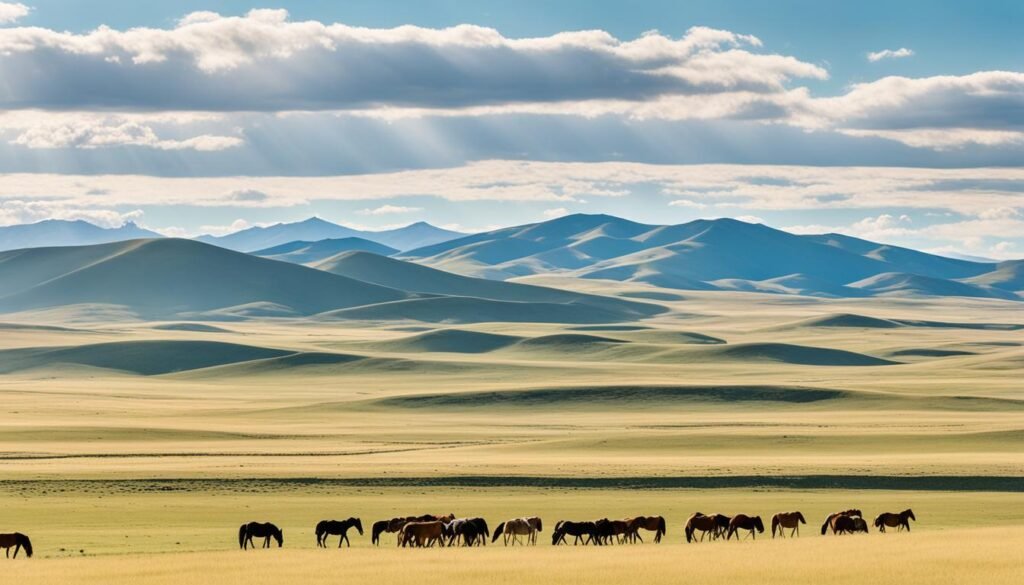
Nestled in the heart of Central Asia, the Mongolian steppe is a captivating grassland ecosystem that has played a pivotal role in the annals of history. As the birthplace of the legendary Mongol Empire, this vast expanse of rolling hills and lush meadows has long been a symbol of the country’s vibrant culture and resilient spirit.
Through the master’s program in Steppe Ecology at the University of Ulaanbaatar, students will have the unique opportunity to immerse themselves in the Mongolian steppe, learning about the intricate web of life that sustains this remarkable grassland biome. From the iconic Pallas’ cat to the majestic Przewalski’s horse, the steppe species that call this region home are a testament to the region’s remarkable biodiversity, which remains a crucial focus of conservation efforts.
The Birthplace of the Mongol Empire
The Mongolian steppe has been the stage for some of the most transformative events in world history. It was here, on these vast grasslands, that the Mongol Empire was born, eventually becoming the largest contiguous empire in human history. By exploring the Mongolian steppe, students will gain a deeper understanding of the cultural and historical significance of this remarkable landscape, shedding light on the factors that contributed to the rise and expansion of the Mongol Empire.
Learn About Steppe Species Conservation
Beyond the historical significance of the Mongolian steppe, the region’s rich biodiversity is a key focus of the master’s program. Students will delve into the intricate ecosystems of the steppe, studying the various species that call this grassland home and the conservation efforts underway to protect their habitats. From monitoring threatened species like the Pallas’ cat to understanding the reintroduction of the Przewalski’s horse, this unique learning experience will equip students with the knowledge and skills to contribute to the ongoing efforts to preserve the Mongolian steppe’s remarkable biodiversity.
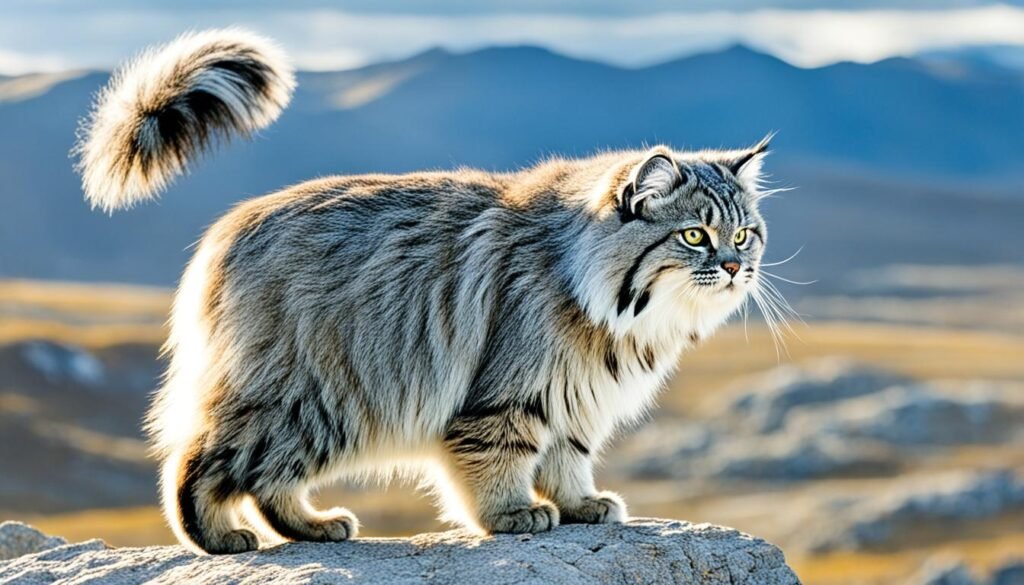
Pallas’ Cat: An Elusive Steppe Predator
Roaming the vast grasslands and rugged mountains of Central Asia is the Pallas’ cat, Otocolobus manul, a specialized predator that has captured the curiosity of wildlife enthusiasts and researchers alike. This elusive feline, also known as the “steppe predator,” is a native of Mongolia, where the master’s program in Steppe Ecology provides students with unique opportunities to study its ecology and conservation.
Radio Telemetry Studies for Population Monitoring
A key aspect of the program’s research on the Pallas’ cat involves the use of radio telemetry to track the movements and behavior of these enigmatic creatures. By fitting individual Pallas’ cats with radio collars, researchers can measure the size of their home ranges and gain valuable insights into their population dynamics. This data is crucial for developing effective conservation strategies to protect this steppe predator and ensure its long-term survival.
Reproductive and Disease Management Research
In addition to population monitoring, the master’s program also focuses on understanding the reproductive patterns and disease management of Pallas’ cats. Students will have the chance to participate in research that examines the seasonal breeding cycles of these felines and the strategies used to maintain healthy captive populations. By studying the reproductive and health-related aspects of Pallas’ cats, researchers can develop more informed management plans to support the overall conservation of this species.
Przewalski’s Horse: The Last True Wild Horse
Przewalski’s horse, also known as the “takhi,” holds a unique place in the natural world. This remarkable species is considered the only true wild horse left on the planet. Once driven to the brink of extinction, the conservation success story of Przewalski’s horse is a testament to the power of species reintroduction efforts.
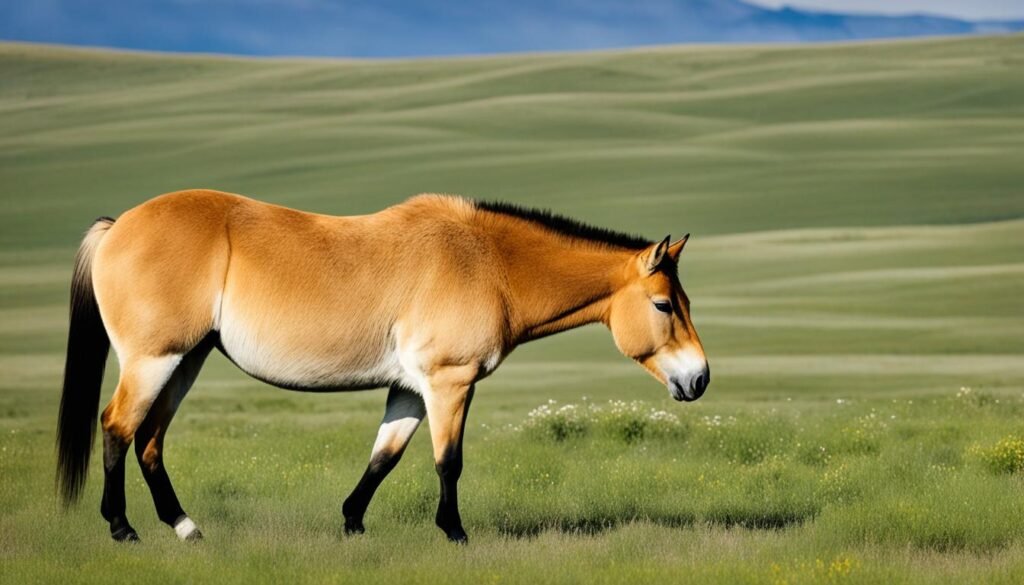
Native to the vast grasslands of Mongolia, Przewalski’s horse was wiped out in the wild by the 1960s due to factors like overhunting and habitat loss. However, a dedicated conservation program led to the successful reintroduction of this species to its ancestral homeland. Today, Przewalski’s horse populations are thriving in protected areas like Hustai National Park, where visitors can witness these majestic creatures roaming freely across the steppe.
The story of Przewalski’s horse is a shining example of how targeted conservation efforts can bring a species back from the brink of extinction. Through captive breeding programs and strategic reintroduction, this wild horse has made a remarkable comeback, offering hope for the future of other endangered species around the world.
Field Research at Remote Grassland Sites
As part of the master’s program, students will have the rare opportunity to participate in groundbreaking field research conducted by the Pallas Cat Conservation Project at a secluded grassland camp location. This immersive experience will provide students with a deep understanding of the Mongolian steppe ecosystem and the traditional nomadic way of life.
Experience Traditional Mongolian Nomadic Life
During their time in the field, students will stay in traditional Mongolian gers, the circular felt tents that have been the homes of nomadic herders for centuries. Joining the research rotations, they will learn first-hand about the ecological and cultural richness of the remote grasslands. From observing the elusive Pallas’ cats to gaining insights into the sustainable practices of Mongolian nomads, this immersive field research will provide a transformative cultural immersion.
This hands-on field experience will equip students with a comprehensive understanding of the interconnected web of the steppe environment and the enduring nomadic traditions that have shaped the region for millennia. By living and working alongside local researchers, students will develop a profound appreciation for the delicate balance of the Mongolian grasslands and the resilience of its people.
Hustai National Park: A Success Story
Nestled southwest of Ulaanbaatar, Hustai National Park stands as a testament to the remarkable conservation efforts undertaken to reintroduce the Przewalski’s horse, also known as the takhi. This critically endangered species, once considered extinct in the wild, has found a new home in the vast grasslands of Hustai.
Reintroduction of Przewalski’s Horse
Between 1992 and 2000, a total of 84 Przewalski’s horses were released into Hustai National Park, having been carefully selected from zoos around the world. This ambitious reintroduction project has been a resounding success, with the wild horse population now exceeding 190 individuals roaming freely through the park’s diverse ecosystem. Visitors to Hustai National Park can witness the majestic presence of these last true wild horses, a sight that serves as a symbol of the park’s conservation triumph.
Alongside the thriving Przewalski’s horse population, Hustai National Park is home to a rich array of other wildlife, including the elusive Pallas’ cat and a variety of steppe species. The park’s success in reintroducing the Przewalski’s horse has inspired hope and served as a model for similar conservation efforts worldwide.

Mongolia: Steppe Ecology Master’s Ulaanbaatar Mongolia
The master’s program in steppe ecology offered by “The Continents States University” is based in Ulaanbaatar, the capital of Mongolia. Ulaanbaatar, situated in the Tuul river valley in central Mongolia, provides easy access to the vast grasslands and remote field research sites that are the focal points of this program.
Mongolia’s steppe ecosystem, the birthplace of the Mongol Empire, is a vast and fascinating region that offers unparalleled opportunities for students to study the intricate web of life that thrives in this unique environment. From the elusive Pallas’ cat to the iconic Przewalski’s horse, the steppe is home to a diverse array of flora and fauna that capture the imagination of ecologists and conservationists alike.
By immersing themselves in the heart of the Mongolian steppe, students enrolled in this master’s program will have the chance to engage in hands-on field research, learning from experienced faculty and local experts. From radio telemetry studies on Pallas’ cat populations to reproductive and disease management research on Przewalski’s horses, the program offers a rich tapestry of opportunities for aspiring steppe ecologists.
Ulaanbaatar’s unique position as the gateway to the vast Mongolian grasslands makes it an ideal location for this master’s program. Students will not only hone their academic and research skills but also have the opportunity to experience the traditional nomadic way of life that has sustained the steppe for centuries.
Course Details and Costs
The Master’s program in Steppe Ecology offered by the University of Ulaanbaatar provides students with a comprehensive understanding of Mongolia’s vast grasslands and the conservation efforts surrounding its unique species. The program includes 5 graduate credits for the summer course, with an optional 2 additional graduate credits available through a follow-on fall course.
Graduate Credits and Tuition
The total cost for the 5 graduate credits, including tuition, is $3,550. This covers the in-person travel portion of the course, which includes field research and cultural immersion experiences. Students also have the option to earn 2 additional graduate credits through the optional fall course, at an additional cost.
Program Fees and Inclusions
The program fees cover a range of expenses, such as meals, lodging, field station fees, transportation, and park entrance and guide fees during the in-person travel portion of the course. This ensures that students can fully focus on their studies and research without worrying about the logistical details.
Inquiry-Based Learning and Community Engagement
The master’s program in steppe ecology at the University of Ulaanbaatar emphasizes the importance of inquiry-based learning and community engagement. Students will have the opportunity to immerse themselves in research rotations, participate in dynamic student-led discussions, and collaborate closely with local experts and communities to generate invaluable knowledge and inspire meaningful conservation action.
Through this unique approach, the program incorporates elements of participatory education, conservation storytelling, and community-based conservation. Students will have the chance to apply their academic experiences to real-world contexts, making a tangible difference in their local communities and beyond. By fostering this interactive learning environment, the program aims to cultivate a new generation of steppe ecology advocates and conservation leaders.
The curriculum encourages students to explore the diverse perspectives and traditional ecological knowledge of Mongolian nomadic communities. By engaging in dialogue and joint research projects, students will gain a deeper understanding of the intricate relationship between the steppe ecosystem and the people who call it home. This collaborative approach empowers students to become active participants in the conservation of the region’s unique biodiversity and cultural heritage.
Conclusion
The “Mongolia: Steppe Ecology Master’s” program offered by The Continents States University in Ulaanbaatar provides an unparalleled opportunity for students to immerse themselves in the breathtaking grasslands of Mongolia and contribute to the conservation of its unique steppe ecosystems. Through a blend of field research, community engagement, and inquiry-based learning, participants will develop expertise in grassland management, population monitoring, and the protection of iconic steppe species like the Pallas’ cat and Przewalski’s horse.
By exploring the birthplace of the Mongol Empire and experiencing the traditional nomadic way of life, students will gain a deep understanding of the cultural significance of these vast, untamed landscapes. This program is an invaluable experience for those seeking to make a lasting impact on the world’s environmental challenges, fostering a new generation of conservation leaders and ecological experts.
Whether your passion lies in wildlife research, sustainable land management, or environmental advocacy, the “Mongolia: Steppe Ecology Master’s” program is a transformative journey that will equip you with the knowledge, skills, and hands-on experience necessary to become a steward of the steppe and contribute to the preservation of one of the world’s last great wildernesses.
Source Links
- Mongolia: Steppe Ecology & Civic Media – https://miamioh.edu/cas/graduate-studies/project-dragonfly/earth-expeditions/courses-landing-pages/mongolia.html
- Climate Change and Pastoralism – ACMS – https://mongoliacenter.org/mongolia-field-school-2022/climate-change-and-pastoralism/
- Wildlife of the Mongolian Steppe – https://earthwatch.org/expeditions/wildlife-mongolian-steppe