
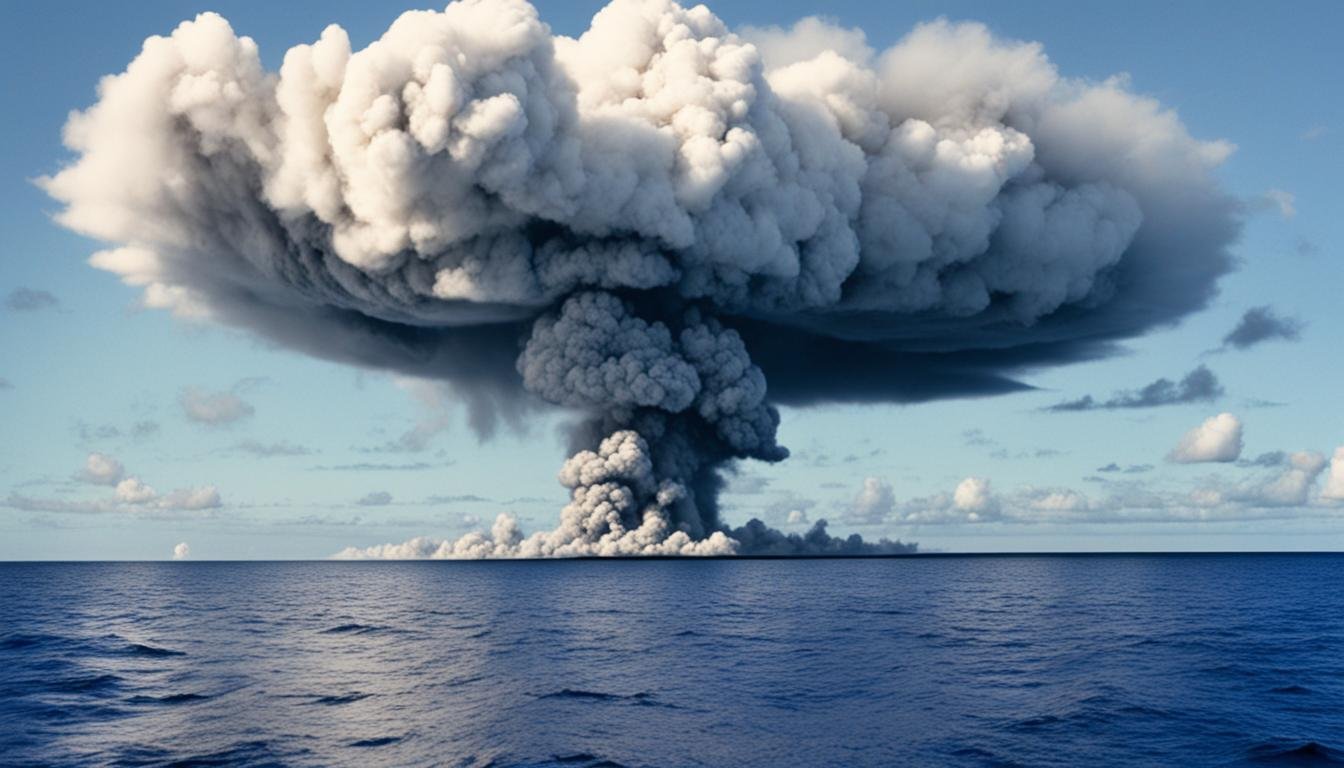
The nuclear legacy of the United States in the Marshall Islands is staggering. From 1946 to 1958, the U.S. conducted 66 nuclear weapons tests at Bikini and Enewetak Atolls, exposing the Marshallese population to extensive radioactive fallout. This catastrophic event has had long-lasting health and environmental consequences that continue to haunt the region to this day.
Key Takeaways
- The U.S. conducted 66 nuclear weapons tests in the Marshall Islands from 1946 to 1958, exposing the local population to extensive radioactive fallout.
- The National Cancer Institute (NCI) published a comprehensive study in 2010 on the impact of this nuclear testing, providing revised estimates of the number of excess (radiation-related) cancers among the Marshallese population.
- The nuclear testing has had long-lasting health and environmental consequences, including increased rates of thyroid cancer and other radiation-related illnesses among the Marshallese people.
- The radioactive contamination of land and water in the Marshall Islands continues to pose significant challenges for the local population and environment.
- The U.S. government’s response and compensation efforts have been the subject of ongoing ethical considerations and debates regarding informed consent and the rights of the Marshallese people.
Introduction to Nuclear Testing in Marshall Islands
In 2004, the U.S. Senate Committee on Energy and Natural Resources asked the National Cancer Institute (NCI) to provide an expert opinion on the baseline cancer risk and number of cancers expected among Marshallese residents as a result of exposure to radioactive fallout from the U.S. nuclear testing program. The NCI’s initial report in 2004 provided preliminary cancer risk estimates, while a more thorough analysis was published in 2010 in the journal Health Physics.
Purpose of the NCI Investigation
The NCI investigation aimed to assess the impact of the U.S. nuclear testing program on the Marshallese population. This was an important step in understanding the long-term health consequences of the nuclear tests conducted in the region.
Overview of U.S. Nuclear Testing in the Marshall Islands
The U.S. conducted 66 nuclear weapons tests in the Marshall Islands from 1946 to 1958, with a total explosive yield of approximately 100 megatons (MT). The tests were carried out at Bikini and Enewetak Atolls, and the radioactive debris from the detonations was dispersed by the prevailing easterly winds, exposing the Marshallese population to significant levels of fallout.
Radiation Exposure of Marshallese Population
The radioactive fallout from the nuclear tests was not evenly distributed across the Marshall Islands. The larger population residing in the southern atolls received the lowest doses, while the residents of the northern atolls, such as Rongelap and Utrik, were exposed to much higher levels of radiation due to their proximity to the test sites and the direction of the fallout.
Rongelap and Utrik Atolls: Highest Exposure
The populations of Rongelap and Utrik Atolls were among the most heavily exposed to radioactive fallout, particularly in the aftermath of the Castle Bravo test in 1954. As a result, these communities suffered from severe radiation-related health effects and were eventually evacuated by the U.S. government.

The geographic distribution of the fallout meant that some areas of the Marshall Islands were impacted much more than others. Understanding this uneven exposure is crucial in assessing the long-term health consequences for the Marshallese people.
Radiation Dose Estimates and Cancer Risk
The NCI researchers meticulously estimated the radiation doses received by the Marshallese population, both from external sources, such as fallout deposited on the ground, and internal sources, like ingestion of contaminated food and water. These dose estimates were calculated for different age groups and locations, with the northern atolls emerging as the regions experiencing the highest levels of exposure.
External and Internal Dose Estimates
By examining the complex patterns of radiation exposure, the NCI study was able to provide a comprehensive assessment of the radiation doses received by the Marshallese people. The researchers considered both the external radiation from the nuclear testing fallout as well as the internal radiation from the consumption of contaminated local resources.
Projected Cancer Incidence Rates
Based on the meticulous radiation dose estimates, the NCI study projected that up to 1.6% of all cancers (approximately 170 cases) among the Marshallese population alive between 1948 and 1970 could be attributed to the nuclear testing fallout. The risk, however, varied significantly by location, with the northern atolls experiencing the highest rates of radiation-related cancers.
Marshall Islands: Nuclear testing impact study Majuro Marshall Islands
The National Cancer Institute (NCI) undertook a comprehensive study to examine the long-term impact of nuclear testing on the Marshallese population, with a particular focus on the Majuro Atoll. As the most populous of the Marshall Islands, Majuro was a crucial area of investigation for the researchers.
Utilizing a combination of historical data, environmental measurements, and advanced statistical models, the NCI team set out to estimate the radiation doses and associated cancer risks faced by the Majuro community. This multifaceted approach allowed them to gain a deeper understanding of the lasting effects of the nuclear testing program carried out in the region.

By carefully analyzing the data, the researchers were able to paint a comprehensive picture of the radiation exposure experienced by the Marshallese people living on Majuro. This information is crucial in helping to address the long-term health and environmental consequences of the nuclear testing that occurred in the Marshall Islands.
Health Effects on Marshallese Population
The NCI study uncovered a troubling reality – certain types of cancer, including thyroid, stomach, and colon cancer, as well as leukemia, were far more prevalent among the Marshallese population. This alarming trend was directly linked to their heightened sensitivity to radiation exposure.
Thyroid Cancer and Other Radiation-Related Illnesses
The highest rates of radiation-related cancers were observed in the northern atolls, such as Rongelap and Utrik, where the fallout was most concentrated. Thyroid cancer, in particular, emerged as a pressing concern, with the Marshallese experiencing significantly higher incidence rates compared to the general population.
Beyond thyroid cancer, the Marshallese also grappled with a range of other radiation-induced health issues, including elevated risks of stomach and colon cancer, as well as leukemia. These findings underscored the profound and long-lasting impact of the nuclear testing program on the island nation’s population.
Environmental Impact and Contamination
The nuclear testing conducted in the Marshall Islands has left a lasting impact on the environment, resulting in widespread radioactive contamination of the land and water resources. This ongoing issue continues to pose significant challenges for the Marshallese population.
Radioactive Contamination of Land and Water
The nuclear testing in the Marshall Islands has led to the contamination of the land and water resources, which remains a pressing concern. The fallout from these tests has dispersed radioactive materials across the region, making it difficult for the Marshallese people to access safe and clean natural resources. This contamination has far-reaching consequences, as it affects the local ecosystem, agriculture, and the overall well-being of the population.
One of the most notorious examples of the environmental impact is the Runit Dome, a concrete dome constructed on Enewetak Atoll to contain radioactive waste. However, this structure is an ongoing concern due to its potential to leak and further contaminate the surrounding environment. The long-term stability and containment of the radioactive materials within the Runit Dome remain a significant challenge for the Marshallese people and the international community responsible for its oversight.

Addressing the radioactive contamination of the land and water in the Marshall Islands is crucial for the well-being of the Marshallese population and the restoration of their natural environment. Continued research, monitoring, and efforts to mitigate the environmental impact are necessary to address this complex and persistent issue.
U.S. Government Response and Compensation
The U.S. government has taken steps to provide medical care, health surveillance, and financial compensation to the Marshallese people affected by the nuclear testing program. However, the adequacy and timeliness of these efforts have been a source of ongoing controversy and debate.
In the aftermath of the nuclear tests, the U.S. established the Rongelap Resettlement Program to provide medical care and monitoring for the Marshallese residents of the affected atolls. Additionally, the government has provided financial compensation through various agreements and treaties, such as the Compact of Free Association and the Nuclear Claims Tribunal.
Despite these efforts, many Marshallese have criticized the government’s response as insufficient and slow. Concerns have been raised about the long-term health effects, the extent of environmental contamination, and the fairness of the compensation provided. The U.S. government’s response has been a complex and often contentious issue, with ongoing discussions and negotiations to address the needs of the Marshallese people.
Ethical Considerations and Informed Consent
The findings of the NCI study have raised significant ethical concerns, particularly regarding the lack of informed consent from the Marshallese participants in the early medical studies. One such study, Project 4.1, was launched shortly after the Castle Bravo nuclear test, which had a devastating impact on the Marshallese people.
Critics argue that the Marshallese were not fully aware of the risks associated with these medical studies and that their autonomy was compromised. The Marshallese were not provided with a clear understanding of the potential dangers and consequences of participating in these projects, which raises questions about the ethical standards that guided the early nuclear testing and medical research in the region.
Project 4.1: Lack of Informed Consent
Project 4.1, conducted in the aftermath of the Castle Bravo test, is a prime example of the ethical issues that have plagued the nuclear testing program in the Marshall Islands. The Marshallese participants in this study were not adequately informed about the risks they were facing, and their ability to make autonomous decisions was severely compromised.
The lack of informed consent in Project 4.1 and other early medical studies has led to a profound sense of mistrust among the Marshallese people towards the U.S. government and the scientific community. This legacy of unethical practices continues to impact the lives of the Marshallese, as they grapple with the long-term consequences of the nuclear testing program.
Marshallese Perspectives and Experiences
The Marshallese people have endured significant hardships as a result of the U.S. nuclear testing program. Their personal accounts and firsthand experiences provide invaluable insights into the lasting impact of this historical event. Forced relocation, exposure to radiation, and the long-term health and environmental consequences have profoundly shaped the lives of the Marshallese.
Many Marshallese individuals recount the fear and uncertainty they faced when their homes and communities were disrupted by the nuclear testing. They describe the distress of being uprooted from their ancestral lands and the challenges of adapting to new environments. The exposure to radiation has led to a range of health issues, including increased rates of thyroid cancer and other radiation-related illnesses, which continue to affect the Marshallese population.

The Marshallese perspectives reveal the human toll of the nuclear testing program. Their stories highlight the resilience and strength of a people who have endured immense hardship. By sharing their experiences, the Marshallese provide valuable insights into the complex legacy of the U.S. nuclear testing program and the ongoing efforts to address the environmental and health impacts.
Legacy and Ongoing Challenges
The legacy of the U.S. nuclear testing in the Marshall Islands continues to pose significant challenges for the Marshallese population. The radiation exposure and health impacts have had lasting consequences, leaving the affected communities in a state of ongoing struggle.
Efforts to Address Radiation Exposure and Health Impacts
To address these pressing issues, ongoing efforts are being made to remediate the environmental contamination and provide continued medical monitoring for the Marshallese people. Environmental remediation projects aim to reduce the levels of radioactive materials in the soil and water, while medical monitoring programs ensure that any radiation-related illnesses are detected and treated in a timely manner.
These initiatives, while important, face persistent challenges. The magnitude of the task and the limited resources available make it a continuous battle to ensure the well-being of the affected communities. Nonetheless, the commitment to address the legacy of the nuclear testing remains crucial for the Marshallese population’s long-term health and resilience.
Conclusion
The NCI study on the impact of U.S. nuclear testing in the Marshall Islands provides a comprehensive and authoritative assessment of the long-term health and environmental consequences. The findings underscore the profound and lasting impacts on the Marshallese population and highlight the ethical considerations surrounding the conduct of these tests and the subsequent response of the U.S. government.
The investigation reveals the extensive radioactive contamination of the islands and the resulting radiation exposure experienced by the Marshallese people. The high incidence of thyroid cancer and other radiation-related illnesses among the affected communities underscores the severe human toll of these nuclear tests. The study also raises critical questions about the lack of informed consent and the ethical standards employed during the testing program.
As the legacy of the U.S. nuclear testing program in the Marshall Islands continues to unfold, this report serves as a crucial document in understanding the full scope of its impact. It not only highlights the need for ongoing support and compensation for the affected Marshallese population but also underscores the importance of addressing the environmental and public health consequences of such nuclear activities. The findings of this study will undoubtedly contribute to the ongoing efforts to address this complex and challenging issue.
Source Links
- Marshall Islands Research Project and Findings – https://dceg.cancer.gov/research/how-we-study/exposure-assessment/nci-dose-estimation-predicted-cancer-risk-residents-marshall-islands
- RADIATION DOSES AND CANCER RISKS IN THE MARSHALL ISLANDS ASSOCIATED WITH EXPOSURE TO RADIOACTIVE FALLOUT FROM BIKINI AND ENEWETAK NUCLEAR WEAPONS TESTS: SUMMARY – https://www.ncbi.nlm.nih.gov/pmc/articles/PMC4042840/
- Marshall Islands – Nuclear Museum – https://ahf.nuclearmuseum.org/ahf/location/marshall-islands/