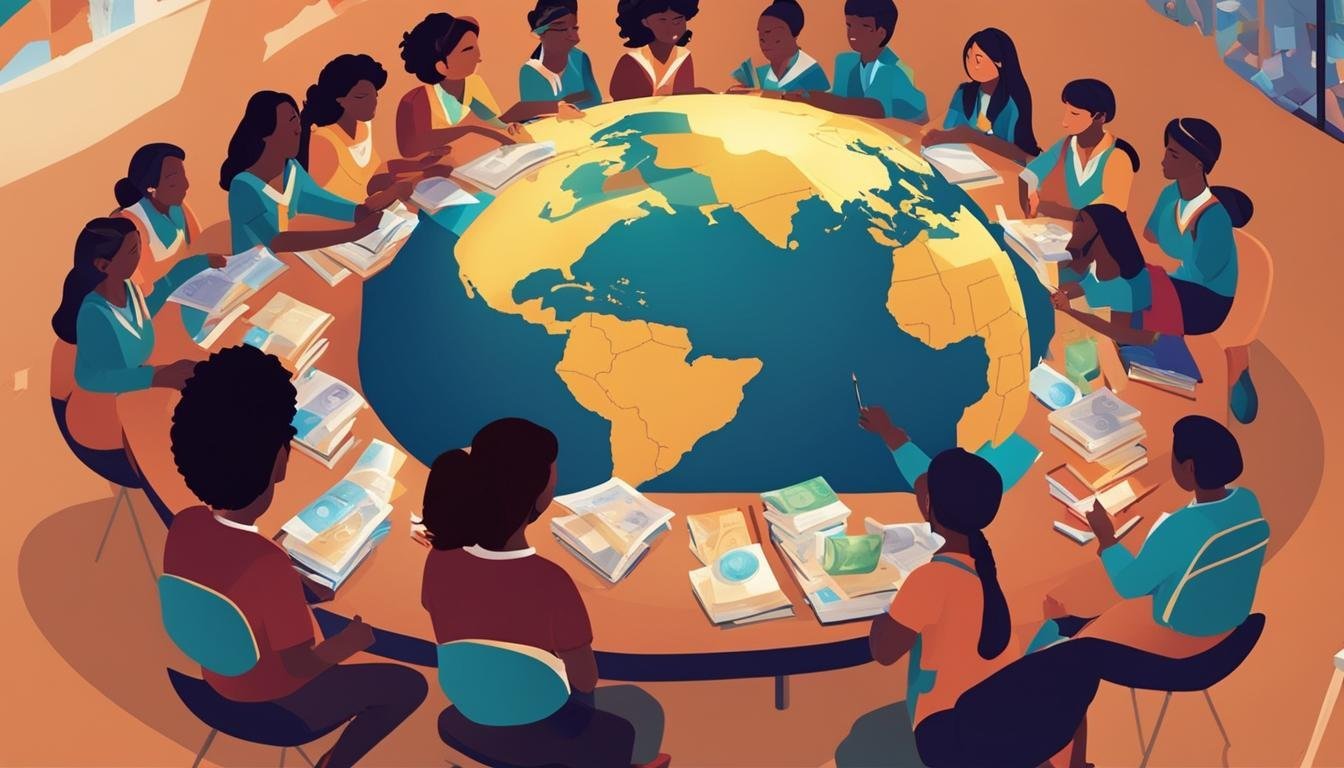
Philanthropy plays a crucial role in transforming global education and learning systems. With the United Nations recognizing the urgent challenge of providing quality education for all children, philanthropic organizations have the power to make a significant impact. Through charitable donations, funding programs, scholarship funds, and grants, these organizations can help bridge the gaps and create opportunities for those in need.
By investing in education, philanthropy aims to empower children to thrive and contribute to positive change. However, to achieve this, three key strategies can be adopted:
Key Takeaways:
- Education philanthropy plays a crucial role in transforming global education systems.
- Charitable donations, funding programs, scholarship funds, and grants are essential in making education accessible for all.
- Philanthropy aims to empower children and address the gaps in the education sector.
- Collaboration, strategic communications, and funding projects that increase political will are key strategies for philanthropic organizations.
- Philanthropy can contribute to addressing funding gaps, achievement gaps, and systemic barriers in education.
Making Crisis Collaboration the Norm

During the COVID-19 pandemic, the power of collaboration in the philanthropic sector was evident as resources were mobilized to support children’s learning. Communities came together to respond rapidly to school shutdowns, demonstrating the resilience and adaptability of education systems. To achieve long-term transformation in education, collaboration should continue to be a norm, fostering resilient systems that can effectively meet the needs of children.
Grantmakers have a crucial role to play in facilitating partnerships and encouraging collaboration. By convening groups and identifying points of alignment, grantmakers can help bring stakeholders together to work towards sustainable solutions. However, it is important to provide adequate funding and time for collaborations to form and trust to be built. This ensures that collaborative efforts are effective and have a lasting impact on education systems.
Collaboration is not just a short-term response to crises; it is a mindset and approach that should be embedded in education systems. By making crisis collaboration the norm, we can build resilient education systems that prioritize the well-being and learning of children.
Promoting collaboration through grant agreements
Grant agreements can also play a role in promoting collaboration. By including provisions for collaboration and partnership-building, grant agreements can encourage organizations to work together towards common goals. This helps create a shared sense of responsibility and ensures that resources are used effectively and efficiently. Grantmakers can utilize their funding to incentivize collaboration and encourage organizations to share best practices and learn from each other.
- Grant agreements can include requirements for regular collaboration meetings and progress updates
- Grantmakers can encourage grantees to form partnerships with other organizations to maximize impact
- Grant agreements can specify the importance of knowledge sharing and learning from other initiatives
By embedding collaboration in grant agreements, funders can actively contribute to making collaboration the norm in education systems.
Investing in Strategic Communications

Strategic communications play a vital role in driving positive change in education. By investing in strategic communications, philanthropic funders can effectively reach key audiences, such as parents and caregivers, to promote holistic skills development and parental engagement. Through various channels and platforms, including social media, websites, and community events, philanthropic organizations can deliver powerful messaging and compelling content that resonates with the target audience.
The use of strategic communications can drive culture change at the community level, helping to shift perceptions and attitudes towards education. By highlighting the importance of holistic skills development and parental involvement, philanthropy can foster a greater understanding of the critical role families and communities play in shaping a child’s educational journey.
Key Elements of Strategic Communications:
- Developing clear and concise messaging that reflects the goals and values of education philanthropy
- Creating compelling content that is accessible, engaging, and relevant to the target audience
- Utilizing data and evidence-based information to support key messages and promote informed decision-making
- Collaborating with community partners and stakeholders to amplify the impact of messaging and reach a wider audience
Through strategic communications, philanthropy can create a collaborative and supportive environment that encourages parental engagement and holistic skills development. By effectively communicating the benefits of these initiatives, philanthropic organizations can inspire action and drive positive change in education for the betterment of children and communities.
Quote:
“Strategic communications have the power to shape perceptions, drive collaboration, and promote meaningful change in education. By investing in targeted messaging and compelling content, philanthropy can empower parents, caregivers, and communities to actively participate in a child’s educational journey.”
– Education Advocate
Funding Projects that Increase Political Will
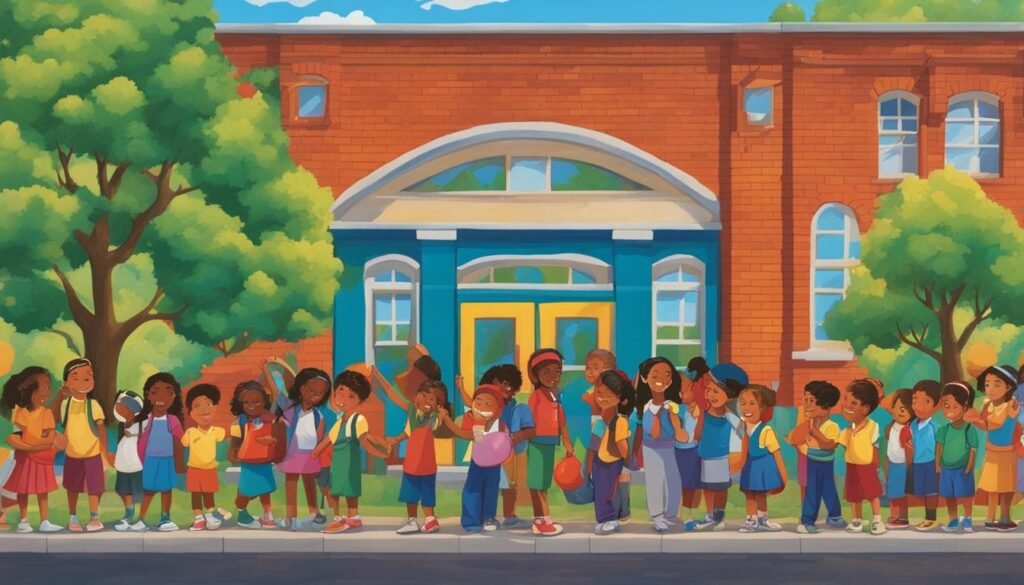
Funding projects that increase political will is a crucial strategy for philanthropic organizations seeking to drive transformational change in children’s development. By directly involving parents, caregivers, and children, these projects can build collective power and challenge existing structures to create a more equitable and inclusive education system.
One inspiring example comes from Colombia, where civil society organizations successfully democratized the national policy process by actively engaging children and parents. Through their efforts, these organizations were able to secure commitments from presidential candidates to prioritize children’s holistic development. This demonstrates the power of philanthropy in supporting innovative strategies that drive transformation in education.
Philanthropic funders can play a significant role in funding projects that increase political will by providing financial support and resources to grassroots organizations and initiatives. By investing in these projects, philanthropies can help create an environment where the urgent need for quality education for all children is recognized and prioritized by decision-makers and policymakers.
Key Takeaways:
- Funding projects that increase political will is a crucial strategy for philanthropy in driving transformational change in children’s development.
- Directly involving parents, caregivers, and children can build collective power and challenge existing structures.
- Successful examples, like those from Colombia, demonstrate the impact of involving civil society organizations in the national policy process.
- Philanthropic funders play a significant role in funding projects that increase political will and can help prioritize quality education for all children.
Philanthropy’s Role in Education
Philanthropy plays a significant role in advancing initiatives and strengthening institutions to ensure a quality education for all. In many communities, inadequate funding for schools creates funding gaps that lead to achievement gaps and perpetuate racial and wealth inequalities. Education philanthropy steps in to bridge these gaps and support initiatives that address these systemic challenges.
Through targeted funding, philanthropic organizations can provide resources to education institutions, enabling them to enhance curriculum, improve infrastructure, and expand access to educational opportunities. By focusing on both elementary and secondary education, as well as postsecondary education and workforce readiness, philanthropy can contribute to creating a comprehensive and equitable education system.
However, measuring the impact of philanthropic efforts in education can be challenging. There are varying opinions on the most effective indicators to track progress and evaluate success. Despite this challenge, philanthropy remains committed to supporting policy reform and advocacy efforts aimed at addressing unequal access to education.
Conclusion
In conclusion, philanthropy plays a vital role in the transformation of education systems, making education accessible to all. Through collaborative efforts, strategic communications, and the funding of projects that increase political will, philanthropic organizations have the power to drive meaningful change in the education landscape. By addressing funding gaps, achievement gaps, and systemic barriers, philanthropy can contribute to ensuring that every individual has access to a quality education.
While measuring impact remains a challenge, philanthropy continues to make a significant impact in improving education outcomes. By engaging with organizations and networks focused on education philanthropy, funders can take the necessary steps to make a difference in the lives of students and communities. Through their dedication and support, philanthropists can create pathways to educational success, empowering individuals and creating a more equitable society.
By recognizing the importance of philanthropy in education and leveraging its resources, the world can work towards a future in which every child has equal access to education. With a collective effort and unwavering commitment to educational equity, philanthropy can play a fundamental role in shaping a brighter future for generations to come.
FAQ
What is philanthropy’s role in education?
Philanthropy plays a significant role in advancing initiatives and strengthening institutions to ensure a quality education for all.
What are the key strategies philanthropic organizations can adopt to transform education systems?
Philanthropic organizations can adopt three strategies to transform education systems: making crisis collaboration the norm, investing in strategic communications, and funding projects that increase political will.
How can collaboration in the philanthropic sector contribute to long-term transformation in education?
Collaboration in the philanthropic sector can contribute to long-term transformation in education by garnering broad support for resilient education systems that are adaptive to children’s needs.
How can philanthropic funders engage families and communities in shaping a child’s education outcomes?
Philanthropic funders can invest in strategic communications to reach key audiences, such as parents and caregivers, promoting holistic skills development and parental engagement.
How can philanthropy support projects that increase political will in education?
Philanthropy can support projects that increase political will in education by engaging parents, caregivers, and children and challenging existing structures.
What is the impact of inadequate funding on education and society?
Inadequate funding in education perpetuates achievement gaps and racial and wealth inequalities within communities.
How does philanthropy measure impact in the education sector?
Measuring impact remains a challenge in the education sector, with varying opinions on effective indicators.
How can philanthropy address unequal access to education?
Philanthropy offers substantial support for policy reform and advocacy efforts to address unequal access to education.