

Welcome to our comprehensive guide on becoming a licensed behavioral therapist. If you have a passion for helping others and are interested in the field of behavioral therapy, this article is for you. We will provide you with all the information you need to know about the education requirements, licensure process, and opportunities for private practice in this rewarding field.
Before we dive into the details, let’s briefly define behavioral therapy. It is a therapeutic approach that focuses on identifying and changing unhealthy behaviors to improve an individual’s mental health and well-being. Behavioral therapists work with clients to develop new, positive habits and eliminate negative patterns of behavior.
To become a licensed behavioral therapist, you will need to complete several essential steps. This includes obtaining the necessary education, gaining practical experience, pursuing professional certifications, and earning clinical licensure. Let’s explore each of these aspects in detail.
Key Takeaways:
- Licensed behavioral therapists play a crucial role in helping individuals improve their mental health through behavior change.
- Earning a bachelor’s and master’s degree in a relevant field is essential.
- Gaining relevant work experience and obtaining professional certifications can enhance career prospects.
- Clinical licensure is required to practice as a behavioral therapist, and it involves meeting specific requirements and passing an examination.
- Working in a private practice offers greater autonomy and earning potential.
What is Behavioral Therapy?

Behavioral therapy is a widely used therapeutic approach that focuses on behavior change to address unhealthy behaviors and improve mental well-being. Unlike other forms of therapy that delve into underlying causes or past experiences, behavioral therapy concentrates on an individual’s current problems and behavior. The goal of behavioral therapy is to help individuals identify the behaviors that are contributing to their difficulties and work towards replacing them with healthier and more adaptive behaviors.
Behavioral therapists employ various techniques and interventions to facilitate behavior change. These may include cognitive-behavioral therapy (CBT), which aims to challenge and modify negative thought patterns that contribute to unhealthy behaviors. Another commonly used technique is aversion therapy, where individuals are exposed to a stimulus paired with an unpleasant physical or emotional response, discouraging the unwanted behavior.
“Behavioral therapy helps individuals become more aware of their behaviors and empowers them to make positive changes. By focusing on current behaviors and providing practical strategies, it helps individuals develop new skills and coping mechanisms to improve their quality of life.” – Dr. Emily Johnson, Licensed Behavioral Therapist
Behavioral therapy is effective in treating a wide range of mental health conditions, including anxiety, depression, phobias, and addiction. It can also be beneficial for individuals seeking to manage stress, improve relationships, and develop healthier habits. Through the use of evidence-based techniques and personalized treatment plans, behavioral therapists provide the necessary support to help individuals achieve their therapeutic goals and lead more fulfilling lives.
Behavioral Therapy in Action
Let’s take a look at how behavioral therapy can help individuals overcome specific behaviors. For example, someone struggling with social anxiety may undergo exposure therapy, gradually exposing themselves to social situations to reduce anxiety and build confidence. Alternatively, a person with a fear of flying may receive systematic desensitization, a technique that involves progressively exposing them to the fear-inducing stimulus while teaching relaxation strategies to decrease anxiety levels.
By providing practical strategies, personalized interventions, and a supportive therapeutic relationship, behavioral therapy equips individuals with the tools they need to change their behaviors, improve their mental well-being, and lead more fulfilling lives.
Education Requirements for Licensed Behavioral Therapists
Earning a bachelor’s or master’s degree in a relevant field is essential for becoming a licensed behavioral therapist. Most employers require a bachelor’s degree in social work, counseling, psychology, or a related field. Some positions may even require a master’s degree in one of these fields. Therefore, it is crucial to choose a program that provides a comprehensive understanding of behavioral therapy theories and interventions.
To pursue a bachelor’s degree, aspiring behavioral therapists can enroll in accredited universities or colleges offering programs in social work, counseling, psychology, or a related discipline. This foundational education equips students with the knowledge necessary to understand human behavior and the principles of behavioral therapy. Upon completing a bachelor’s degree, individuals can consider pursuing a specialized master’s degree in social work, counseling, psychology, or a related field to further enhance their skills and knowledge.
It is important to note that the specific educational requirements may vary depending on the state and licensing board. Therefore, it is crucial to research and understand the licensing requirements of the intended practice location. Additionally, individuals should also consider joining professional organizations related to behavioral therapy, as these organizations often provide resources and support for education and career development in this field.
Work Experience and Certifications for Behavioral Therapists
Work experience and certifications play a crucial role in the development and advancement of a behavioral therapist’s career. While education provides the foundation, practical experience and professional certifications demonstrate competency and enhance job prospects in this rewarding field.
Relevant Work Experience
Gaining relevant work experience is essential for aspiring behavioral therapists. Internships and practical experience not only provide valuable hands-on training but also allow individuals to apply theoretical knowledge in real-world settings. Working with a specific population or in a relevant setting, such as a mental health clinic or school, can provide invaluable insights and skills necessary for a successful career in behavioral therapy.
Professional Certifications
Obtaining professional certifications in the field of behavioral therapy is highly recommended. Certifications can demonstrate a therapist’s dedication to their profession, as well as their expertise in a specific behavioral treatment model. Examples of widely recognized certifications include the Certified Cognitive-Behavioral Therapist (CCBT) and the Certified Aversion Therapist (CAT). These certifications validate a therapist’s competency and increase their credibility, making them more competitive in the job market and opening up opportunities for career advancement.
With relevant work experience and professional certifications, behavioral therapists can showcase their ability to effectively implement evidence-based interventions and techniques, establish rapport with clients, and achieve positive outcomes. The combination of practical experience and professional credentials is highly valued by employers and clients alike, as it demonstrates a therapist’s commitment to providing quality care and their drive for continuous professional growth.
Clinical Licensure and Private Practice for Behavioral Therapists

For aspiring behavioral therapists, obtaining clinical licensure is a crucial step towards establishing a successful career. Clinical licensure signifies that therapists have met the required standards of competency and professionalism in their practice. The licensure process typically involves completing a certain number of years of post-master’s experience, passing a rigorous examination, and receiving supervision from a licensed professional. It is a rigorous process that ensures therapists are well-prepared to provide high-quality care to their clients.
Once licensed, behavioral therapists have the opportunity to work in private practice, which offers a range of benefits and challenges. Working in a private practice allows therapists to have greater autonomy in managing their caseload, setting their own schedule, and deciding on treatment approaches. It also presents the opportunity for higher earning potential, as therapists can set their own fees and build a clientele base. However, running a private practice also requires therapists to handle administrative tasks, such as billing and marketing, alongside their clinical responsibilities.
Behavioral therapists have various options for clinical licensure, depending on their educational background and professional goals. Licensing options may include becoming a Licensed Clinical Social Worker (LCSW), Licensed Professional Counselor (LPC), or obtaining a psychology license. Each licensure option has its own specific requirements and regulations, so aspiring therapists should carefully research and understand the licensure process in their respective state or jurisdiction.
Clinical Licensure and Private Practice: Key Points to Remember
- Clinical licensure is an essential step for behavioral therapists to establish their credibility and competency in the field.
- Private practice offers greater autonomy and earning potential for therapists, but also requires additional administrative responsibilities.
- Therapists can pursue different types of licensure, such as LCSW, LPC, or a psychology license, depending on their educational background and career goals.
By obtaining clinical licensure and venturing into private practice, behavioral therapists can further develop their skills, have a greater impact on their clients’ lives, and take charge of their professional journey.
Behavioral Therapy Interventions and Techniques
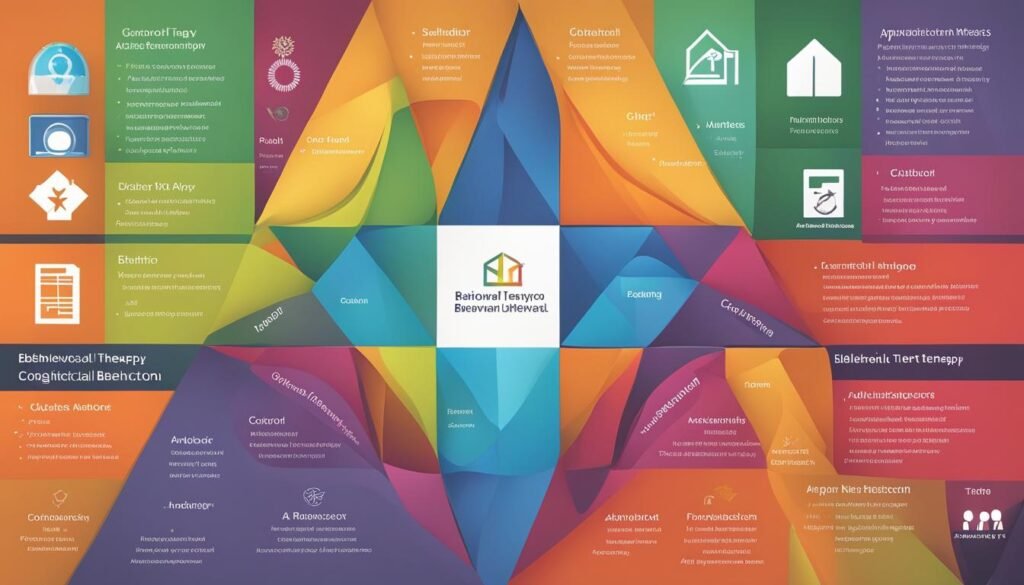
Behavioral therapists utilize a variety of interventions and techniques to help individuals overcome unhealthy behaviors and improve their mental well-being. These interventions are tailored to each individual’s specific needs and goals, providing targeted support and guidance throughout the therapy process.
One common approach is cognitive-behavioral therapy (CBT), which focuses on identifying and changing negative thought patterns and behaviors. CBT helps individuals develop healthier ways of thinking and responding to challenging situations, leading to positive behavior change.
Aversion therapy is another technique used by behavioral therapists. It involves pairing a negative stimulus with an unwanted behavior to decrease the likelihood of that behavior occurring again. For example, someone struggling with alcohol addiction may be exposed to a nauseating medication whenever they consume alcohol, associating a negative experience with the undesired behavior.
Systematic desensitization is a technique often used to treat phobias and anxiety disorders. It involves gradually exposing individuals to their fears in a controlled and supportive environment. By slowly and incrementally increasing exposure, individuals can learn to manage their anxiety and overcome their fears.
Behavioral therapy interventions and techniques are designed to empower individuals to make positive behavior changes and improve their mental well-being. By working closely with a skilled behavioral therapist, individuals can learn effective strategies to overcome challenges, develop healthier coping mechanisms, and achieve their therapy goals.
Conclusion
In conclusion, a career as a behavioral therapist is a rewarding and fulfilling path to embark on. By meeting the education requirements, gaining relevant work experience, obtaining certifications, and pursuing clinical licensure, individuals can become licensed behavioral therapists and make a positive impact on their clients’ lives.
It is essential to recognize the importance of education in this field. Obtaining a bachelor’s and, in some cases, a master’s degree in a relevant field such as social work, counseling, or psychology equips aspiring therapists with the knowledge and skills necessary for success.
Moreover, gaining practical experience through internships or work in relevant settings not only enhances job prospects but also allows therapists to develop a deeper understanding of different populations and their specific needs.
By following the necessary steps, individuals can pursue a fulfilling career in behavioral therapy, helping individuals overcome unhealthy behaviors and achieve positive changes in their lives. Becoming a licensed behavioral therapist is an opportunity to make a real difference and contribute to the well-being of others in this rewarding field.
FAQ
What are the education requirements to become a licensed behavioral therapist?
To become a licensed behavioral therapist, you typically need to obtain a bachelor’s and master’s degree in a relevant field such as social work, counseling, or psychology.
What is the goal of behavioral therapy?
The goal of behavioral therapy is to help individuals identify and change their unhealthy behaviors.
What mental health conditions can be treated with behavioral therapy?
Behavioral therapy can be used to treat a wide range of mental health conditions.
Is work experience important for becoming a behavioral therapist?
Yes, gaining relevant work experience can be valuable for job seekers in the field of behavioral therapy.
Are there certifications available for behavioral therapists?
Yes, there are various certifications available for behavioral therapists to demonstrate their competency in a behavioral treatment model.
What are the requirements for clinical licensure as a behavioral therapist?
Clinical licensure requirements may include post-master’s experience, passing an examination, and supervision by a licensed professional.
What are some common behavioral therapy interventions and techniques?
Common interventions and techniques used by behavioral therapists include aversion therapy, systematic desensitization, and cognitive-behavioral therapy.