

Did you know that Lebanon boasts over 1,000 registered restaurants, making it a veritable gastronomic capital of the Middle East? This small Mediterranean country has long been recognized for its exceptional culinary heritage, drawing food enthusiasts from around the world to savor the vibrant flavors of authentic Lebanese cuisine. For those seeking a prestigious culinary education, the opportunity to earn a Middle Eastern Cuisine Diploma in Beirut is a unique and rewarding experience.
Key Takeaways
- Lebanon is a leading educational hub in the Middle East for culinary arts
- The country’s gastronomic reputation and potential for culinary careers are well-established
- Students can earn a prestigious Middle Eastern Cuisine Diploma in Beirut
- The diploma program allows students to master traditional flavors and techniques of authentic Lebanese and Middle Eastern cuisine
- Lebanon’s thriving hospitality industry offers diverse career opportunities for culinary graduates
Le Cordon Bleu: A Culinary Institution in Lebanon
Lebanon’s gastronomic landscape has been further enriched by the establishment of a prestigious culinary school, Le Cordon Bleu, in the scenic town of Jounieh, just outside of Beirut. As one of the world’s most renowned culinary institutes, Le Cordon Bleu has brought its renowned Diplôme de Cuisine program to Lebanon, offering aspiring chefs and culinary enthusiasts an exceptional opportunity to hone their skills.
Programs Offered
The Diplôme de Cuisine program at Le Cordon Bleu Lebanon comprises three 3-month certificate courses: Basic Cuisine, Intermediate Cuisine, and Superior Cuisine. This comprehensive curriculum provides students with a thorough grounding in classic French culinary techniques, preparing them to excel in the dynamic culinary diploma programs offered at the school.
Admission Requirements
To be eligible for admission to the Le Cordon Bleu Lebanon program, applicants must possess a high school diploma or its equivalent and demonstrate proficiency in the English language. Notably, no prior culinary experience is required, making the program accessible to a diverse range of aspiring chefs and food enthusiasts.
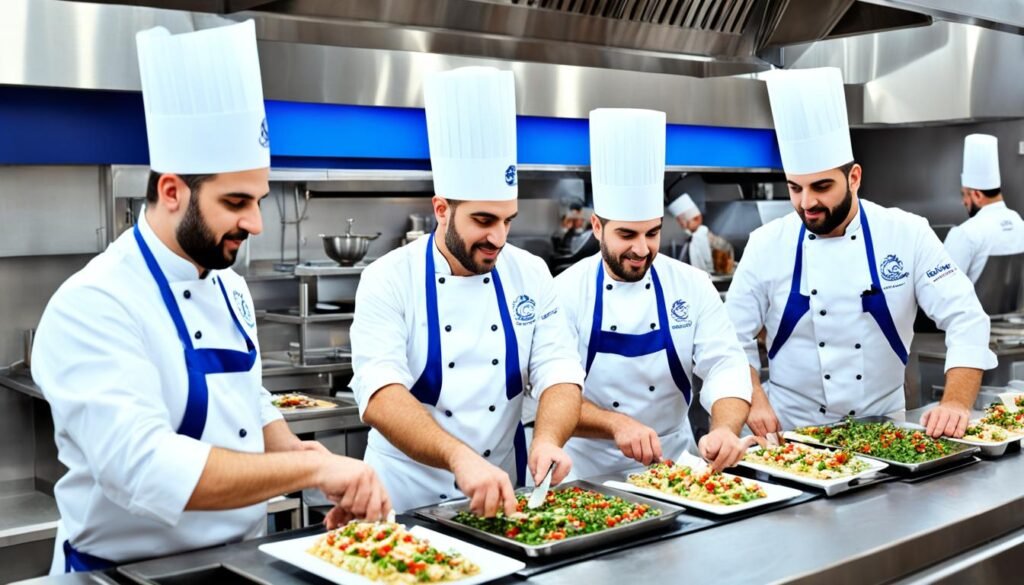
The Art of Lebanese Cuisine
Lebanon’s rich culinary heritage is a testament to the diverse flavors and time-honored traditions of the Middle East. At the heart of this vibrant cuisine are the signature dishes that have captivated gastronomes worldwide. Lebanese cuisine is renowned for its unique blend of spices, herbs, and fresh ingredients, creating a symphony of flavors that tantalize the palate.
Traditional Dishes and Flavors
One of the standout dishes of traditional Middle Eastern dishes is the iconic kibbeh, a delectable combination of finely minced lamb or beef, bulgur wheat, and a medley of aromatic spices. Another beloved staple is the refreshing tabbouleh, a salad made with bulgur wheat, juicy tomatoes, crisp cucumbers, and a tantalizing lemon-mint dressing.
No Lebanese cuisine experience would be complete without the creamy and flavorful hummus, a dip made from chickpeas, lemon, and garlic that has become a global favorite. These dishes exemplify the depth and complexity of the flavors of Lebanese food, showcasing the rich culinary heritage that has been passed down through generations.

Lebanon: A Gastronomic Hub
Lebanon has emerged as a leading culinary destination, attracting visitors from around the world who are drawn to its rich Middle Eastern food culture and diverse culinary offerings. Beirut, in particular, has a thriving food scene, with a wide range of restaurants, cafes, and street food vendors serving up authentic Lebanese specialties.
The country’s proximity to the Mediterranean and its temperate climate make it an ideal location for the production of high-quality local ingredients, contributing to the depth and complexity of Lebanese cuisine. From the fragrant spices and flavorful dishes to the vibrant markets and bustling street food scene, Lebanon offers a truly immersive gastronomic experience for visitors.
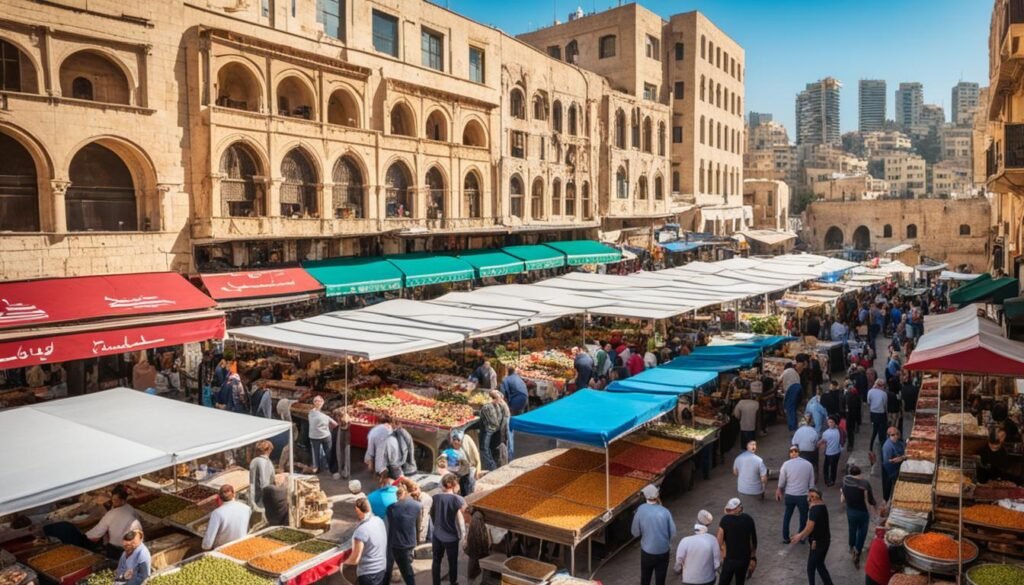
Whether you’re exploring the vibrant neighborhoods of Beirut or venturing out to the countryside, you’ll find that Lebanon’s food and culinary culture are integral to the country’s rich heritage and traditions. From the iconic kebabs and mezze platters to the flaky pastries and fragrant teas, the flavors of Lebanon are sure to captivate your senses and leave a lasting impression.
Career Opportunities for Culinary Graduates
Earning a Lebanon: Middle Eastern Cuisine Diploma from Le Cordon Bleu in Beirut can open up a wide range of career opportunities for graduates. With the growing global demand for Middle Eastern and Mediterranean cuisine, as well as the thriving hospitality industry in Lebanon, graduates can pursue positions in upscale restaurants, hotels, catering companies, and other food-related businesses.
Restaurants and Hospitality Industry
The program’s strong emphasis on business disciplines, such as finance, marketing, and human resource management, prepares students for managerial roles in the hospitality industry. Culinary career paths may include head chefs, sous chefs, restaurant managers, and food and beverage directors in high-end establishments. Graduates can also explore opportunities in the hotel industry, working as executive chefs, food and beverage managers, or even general managers, overseeing the entire hospitality experience.

Beyond traditional restaurant and hotel settings, graduates may find rewarding careers in catering companies, food service operations, or even as entrepreneurs, opening their own restaurants or culinary-focused businesses. The versatility of the Lebanon: Middle Eastern Cuisine Diploma equips students with the skills and knowledge to excel in a variety of hospitality industry jobs, from restaurant work opportunities to management positions in the thriving hospitality sector.
Lebanon: Middle Eastern Cuisine Diploma Beirut Lebanon
The Middle Eastern cuisine diploma program offered by Le Cordon Bleu in Beirut, Lebanon, provides students with a unique opportunity to master the art of authentic Middle Eastern culinary traditions. Through a curriculum that combines theoretical foundations with hands-on kitchen skills, students can develop a deep understanding of the flavors, techniques, and cultural significance of Lebanese and broader Middle Eastern cuisine.
The Middle Eastern cuisine diploma in Beirut equips students with the knowledge and expertise to pursue successful careers in the thriving culinary and hospitality industries of Lebanon and the broader Middle Eastern region. Graduates of this Le Cordon Bleu Lebanon program will be well-prepared to contribute to the vibrant gastronomic scene in Beirut and beyond, showcasing the rich heritage and diverse flavors of Middle Eastern cuisine.
Culinary education in Beirut at Le Cordon Bleu Lebanon offers a comprehensive and immersive learning experience, allowing students to not only develop technical culinary skills but also gain a deeper appreciation for the cultural and historical significance of Middle Eastern cuisine. This unique program is a valuable asset for aspiring chefs and culinary professionals seeking to elevate their expertise and forge successful careers in the dynamic gastronomic landscape of the region.
Experiencing Lebanese Culture and Lifestyle
Studying at Le Cordon Bleu in Lebanon offers students the remarkable opportunity to immerse themselves in the country’s rich cultural heritage and captivating natural landscapes. Beirut, the vibrant capital city, serves as a hub of art, architecture, and a thriving nightlife, where students can explore historic sites, lively neighborhoods, and savor the diverse culinary offerings.
Vibrant Cities and Natural Beauty
Beyond the bustling cityscapes, Lebanon boasts breathtaking natural beauty that captivates the senses. From the rugged mountains and verdant cedar forests to the stunning Mediterranean coastline, the country’s diverse geography provides students with ample opportunities to experience a wide range of outdoor activities and connect with the natural wonders that define the Lebanese landscape.
Whether wandering through the winding streets of historic Beirut or hiking through the serene mountain trails, students at Le Cordon Bleu in Lebanon are immersed in a rich tapestry of Lebanese culture and lifestyle. This immersive experience not only enhances their culinary education but also broadens their understanding and appreciation of the country’s unique identity.
The Winemaking Tradition of Lebanon
Lebanon’s winemaking tradition dates back thousands of years, making it one of the oldest wine-producing regions in the world. The Beqaa Valley, in particular, is renowned for its thriving vineyards and the production of high-quality Lebanese wines. Students studying at Le Cordon Bleu in Beirut have the unique opportunity to explore the country’s rich wine culture and visit the Beqaa Valley to learn about the exceptional terroir, grape varietals, and winemaking techniques that have contributed to Lebanon’s growing reputation in the global wine industry.
Exploring the Beqaa Valley Vineyards
The Beqaa Valley, nestled in the heart of Lebanon, is a veritable haven for wine enthusiasts. This picturesque region boasts a perfect combination of Mediterranean climate, fertile soil, and skilled winemakers, who have honed their craft over generations. Students at Le Cordon Bleu in Beirut can embark on guided tours of the Beqaa Valley vineyards, where they can witness the intricate process of Lebanese winemaking, from grape cultivation to the final bottling and tasting.
Through these immersive experiences, students gain a deeper understanding of the Middle Eastern wine culture and the unique factors that contribute to the distinct flavors and characteristics of Lebanese wines. From the ancient techniques passed down through the centuries to the modern innovations in viticulture and enology, the Beqaa Valley offers a rich tapestry of winemaking traditions for students to explore and appreciate.
Student Life at Le Cordon Bleu Lebanon
Studying at Le Cordon Bleu’s campus in Lebanon provides students with a captivating and immersive student experience at Le Cordon Bleu Lebanon. The campus, situated in Jounieh just outside the vibrant city of Beirut, boasts state-of-the-art facilities that cater to culinary education. Students have access to well-equipped teaching kitchens, demonstration labs, and a library stocked with a wealth of culinary resources, ensuring they receive a comprehensive culinary education in Lebanon.
Under the guidance of experienced French chefs, students hone their technical skills and develop a deep appreciation for the culinary arts, working in a brigade-style kitchen. This hands-on approach allows them to fully immerse themselves in the campus life in Beirut and gain a profound understanding of the intricacies of the culinary world.
Beyond the classroom, students have the opportunity to explore the vibrant cultural and social life of Beirut, a city that boasts a rich history, diverse communities, and a thriving food scene. From discovering the city’s iconic landmarks to indulging in the flavors of traditional Lebanese cuisine, students are able to fully immerse themselves in the unique campus life in Beirut and gain a deeper understanding of the country’s gastronomic heritage.
Conclusion
Earning a Lebanon: Middle Eastern Cuisine Diploma from Le Cordon Bleu in Beirut is an exceptional opportunity for aspiring culinary professionals to immerse themselves in the rich culinary traditions of Lebanon and the broader Middle East. The program’s rigorous curriculum, experienced faculty, and state-of-the-art facilities provide students with the knowledge and skills necessary to excel in the dynamic culinary and hospitality industries.
By studying in Lebanon, students can not only master the art of authentic Middle Eastern cuisine but also experience the country’s vibrant culture, stunning natural landscapes, and thriving food scene, making their educational journey truly unforgettable. The Culinary education in Lebanon offered by Le Cordon Bleu Beirut is a unique chance for individuals to cultivate their passion for Middle Eastern cuisine and position themselves for success in the competitive culinary world.
With a focus on the region’s distinctive flavors and time-honored techniques, the Lebanon: Middle Eastern Cuisine Diploma equips graduates with the expertise to innovate and lead in the rapidly evolving culinary landscape. Whether aspiring to work in renowned Middle Eastern restaurants, luxury hotels, or specialized catering companies, this program provides a solid foundation for a rewarding career in the Culinary industry.
Source Links
- Top Culinary Arts Schools In Lebanon and Beirut – https://www.culinaryschools.org/international/lebanon-cooking-schools/
- Home | Le Cordon Bleu Lebanon – https://www.cordonbleu.edu/lebanon/home/en
- The Cuisine Diploma – https://www.cordonbleu.edu/lebanon/cuisine-diploma/en