

Did you know that Kenya’s Maasai Mara National Reserve is home to over 2 million wildebeests and zebras that participate in the annual Great Migration, one of the most iconic wildlife spectacles on Earth? This remarkable region, situated in the heart of the country’s savanna ecosystem, offers a unique safari experience where visitors can witness the untamed beauty of Africa’s iconic “Big Five” game animals and explore the diverse habitats that sustain an abundance of wildlife.
Kenya’s wildlife management is a complex and multifaceted endeavor, with the Kenyan Wildlife Service (KWS) playing a pivotal role in conserving the country’s natural resources. From the iconic Maasai Mara to the Nairobi National Park, the Kenyan government and local communities work together to ensure the sustainable management of these precious ecosystems, safeguarding the future of Kenya’s remarkable wildlife.
Key Takeaways
- Kenya’s Maasai Mara National Reserve is home to over 2 million wildebeests and zebras that participate in the annual Great Migration.
- The Kenyan Wildlife Service (KWS) plays a crucial role in conserving the country’s natural resources and wildlife.
- Kenya’s savanna ecosystems, including the Maasai Mara and Nairobi National Park, are managed through a collaborative effort between the government and local communities.
- Sustainable tourism and conservation efforts are crucial to preserving the future of Kenya’s iconic wildlife and habitats.
- The “Big Five” game animals – elephants, lions, leopards, rhinoceros, and buffalo – are a major draw for safari enthusiasts visiting Kenya.
Exploring the Maasai Mara National Reserve
The Maasai Mara National Reserve, located in southwestern Kenya, is a renowned wildlife haven covering an area of approximately 1,510 square kilometers. This iconic reserve is renowned for its diverse and abundant wildlife, including the famous “Big Five” game animals. The Kenyan safari experience in the Maasai Mara offers visitors the opportunity to witness an array of animal species in their natural habitats.
The Kenyan Safari Experience
From the iconic wildebeest migration to the captivating predator-prey interactions that define the savanna ecosystem, the Maasai Mara provides a truly immersive safari experience. Visitors can explore the reserve’s vast landscapes, where the Mara River, Talek River, and Sand River support a rich diversity of flora and fauna.
Maasai Mara’s Diverse Ecosystems
The Maasai Mara’s diverse ecosystems, including the Mara River, Talek River, and Sand River, create a dynamic and captivating natural landscape for visitors to explore. These waterways sustain a wide range of wildlife, from the majestic African elephants to the elusive African wild dogs, contributing to the reserve’s extraordinary biodiversity.
Kenya’s Conservation Efforts
Kenya is at the forefront of wildlife conservation, with the Kenyan Wildlife Service (KWS) playing a pivotal role in the management and protection of the country’s natural resources. The KWS is responsible for a wide range of activities, including research, injured animal care, and conducting animal censuses across Kenya’s national parks and reserves.
Kenyan Wildlife Service (KWS)
The Kenyan Wildlife Service (KWS) is a state corporation that is responsible for the management and conservation of Kenya’s wildlife. The KWS works tirelessly to ensure the protection of Kenya’s diverse and abundant wildlife, which is a vital part of the country’s natural heritage. Through their efforts, the KWS has made significant strides in preserving the delicate balance of Kenya’s ecosystems and promoting sustainable wildlife management practices.
Nairobi National Park
One of the most notable conservation areas managed by the KWS is the Nairobi National Park, located just outside the capital city of Nairobi. This urban park serves as a vital habitat for a variety of wildlife species and is a testament to Kenya’s commitment to preserving its natural heritage in the face of rapid development and urbanization. The Nairobi National Park is a shining example of how Kenya’s protected areas can thrive even in the midst of a bustling metropolis, showcasing the country’s dedication to balancing progress with conservation.
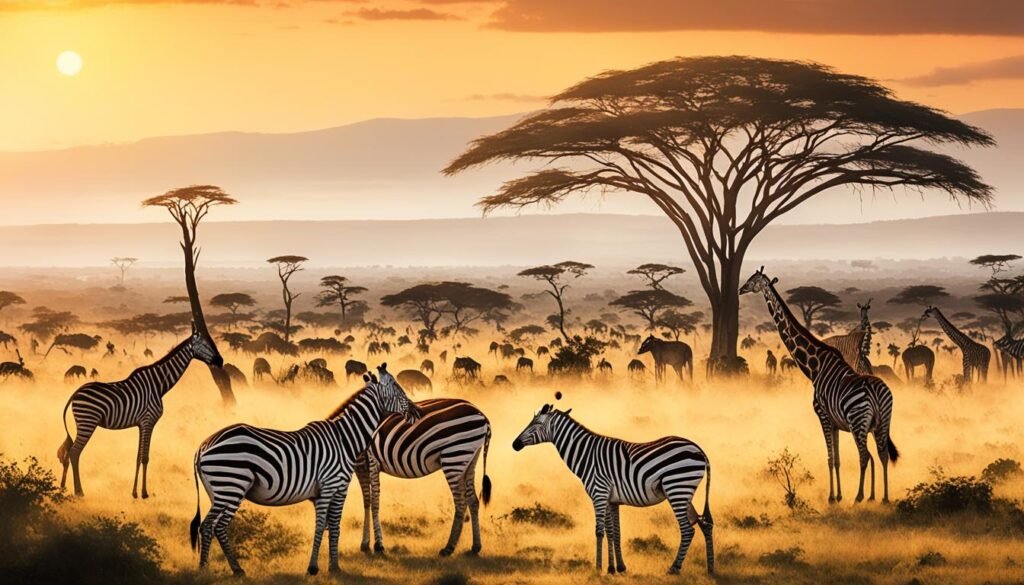
Kenya: Savanna Wildlife Management Nairobi Kenya
Kenya’s commitment to savanna wildlife management extends far beyond the renowned Maasai Mara National Reserve. The Kenyan government, along with various stakeholders, is actively working to ensure the long-term sustainability of the country’s natural resources. Through the Kenyan Wildlife Service (KWS) and other innovative conservation initiatives, Kenya is implementing strategies to protect endangered species, mitigate the impact of human activities on wildlife habitats, and promote sustainable tourism practices.
The integration of the Maasai people, who have a deep-rooted connection to the land, into these conservation efforts further strengthens Kenya’s approach to savanna wildlife management. This holistic, community-driven approach to protecting the country’s natural heritage is crucial for the long-term preservation of Kenya’s iconic landscapes and the diverse wildlife that call them home.
From the bustling capital of Nairobi to the vast expanse of the Maasai Mara, Kenya’s commitment to conservation is evident. The country’s efforts to strike a balance between economic development, sustainable tourism, and the preservation of its natural wonders are a testament to its dedication to responsible stewardship of the savanna ecosystem.
Threats to Maasai Mara’s Wildlife
The Maasai Mara National Reserve, renowned for its breathtaking wildlife, faces several pressing challenges that threaten the delicate balance of its ecosystems. One of the primary concerns is habitat fragmentation, a consequence of the region’s growing human population, agricultural expansion, and infrastructure development. This disruption has hindered the natural movement patterns of Maasai Mara’s diverse animal species, limiting their access to essential resources and jeopardizing their survival.
Invasive Species
Compounding the issue of habitat fragmentation is the proliferation of invasive plant species, such as Parthenium hysterophorus and Lantana camara. These aggressive, non-native plants have infiltrated the Maasai Mara, outcompeting the indigenous vegetation and altering the natural balance of the ecosystem. The encroachment of these invasive species has reduced the availability of food and shelter for the Mara’s wildlife, with potentially devastating long-term consequences for the region’s iconic species.
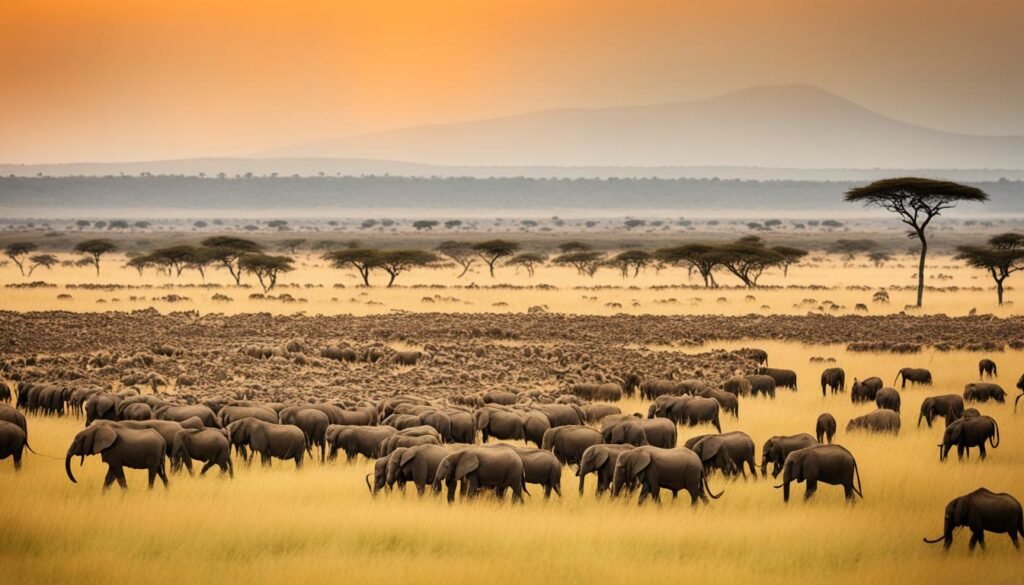
Safeguarding the Maasai Mara’s wildlife and ensuring the long-term sustainability of its ecosystems requires a multi-faceted approach that addresses both habitat fragmentation and the threat of invasive species. Collaborative efforts between conservation organizations, local communities, and government authorities are crucial in mitigating these challenges and preserving the Mara’s natural wonders for generations to come.
Sustainable Ecotourism in Kenya
Kenya has embraced the concept of sustainable ecotourism as a means of balancing the needs of wildlife conservation and the economic development of local communities. In the Maasai Mara, the Mara Conservancy, a community-based initiative, has implemented a model that prioritizes the preservation of the reserve’s natural resources while generating revenue for the local Maasai population.
This approach includes strict environmental impact assessments for new tourism projects, equitable distribution of tourism revenues, and the active involvement of the Maasai people in decision-making processes. By fostering a harmonious relationship between conservation and economic growth, Kenya’s sustainable ecotourism initiatives serve as a blueprint for other destinations seeking to protect their natural heritage while empowering local communities.
The Mara Conservancy’s model emphasizes the importance of wildlife conservation and the sustainable use of natural resources. This community-based approach ensures that the local Maasai population directly benefits from the revenue generated by ecotourism activities, providing them with a vested interest in preserving the Maasai Mara’s unique ecosystem.
By adopting sustainable practices and engaging the local community, Kenya is setting an example for responsible tourism that can be replicated in other wildlife-rich regions. The country’s commitment to balancing conservation and economic development through ecotourism is a testament to its dedication to preserving its natural heritage for generations to come.
The Big Five Game Animals
The Maasai Mara National Reserve in Kenya is renowned for its abundance of the “Big Five” game animals – African elephants, African lions, African leopards, African rhinoceros, and African buffalo. These iconic species are the primary draw for many safari enthusiasts visiting the region, and their conservation is of paramount importance.
African Elephants
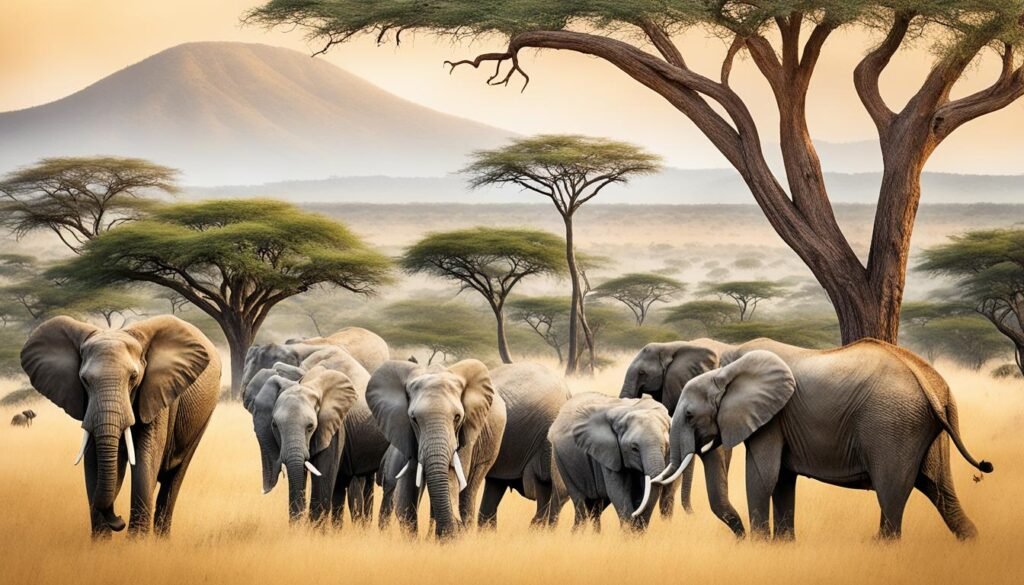
The Maasai Mara is home to thriving populations of African elephants, the largest land mammals on Earth. These magnificent creatures play a crucial role in the savanna ecosystem, shaping the landscape through their foraging and movement patterns. Conservation efforts by the Kenyan Wildlife Service (KWS) and other organizations aim to protect these gentle giants from threats like poaching and habitat loss, ensuring their continued presence in the Mara for generations to come.
African Lions
Equally iconic are the African lions that roam the vast grasslands of the Maasai Mara. As apex predators, these powerful felines are essential to the balance of the savanna ecosystem. The Mara’s abundant prey, including wildebeest and zebra, sustains a thriving lion population, which visitors can witness on exhilarating safari tours. The KWS and local conservation groups work tirelessly to safeguard these majestic big cats from threats such as human-wildlife conflict and habitat fragmentation.
Maasai Culture and Wildlife Conservation
The Maasai people, who have inhabited the Maasai Mara region for centuries, have a deep-rooted connection to the land and its wildlife. Their traditional pastoralist lifestyle has coexisted with the Mara’s ecosystems, and they have played a vital role in the sustainable management of the reserve. The Maasai’s intimate knowledge of the land and its wildlife, combined with their cultural reverence for the natural world, has informed conservation efforts in the Maasai Mara.
Through community-based initiatives and collaborative decision-making processes, the Maasai people have become integral partners in Kenya’s efforts to protect the Mara’s biodiversity and ensure the long-term viability of its wildlife populations. By working closely with the Kenyan government and conservation organizations, the Maasai have helped to develop and implement strategies that balance the needs of both the local community and the Mara’s diverse ecosystems.
One such initiative is the Mara Conservancy, a community-based conservation project that has empowered the Maasai to actively participate in the management and protection of the Maasai Mara. This collaborative approach has not only safeguarded the Mara’s iconic wildlife but has also provided economic opportunities and improved the livelihoods of the Maasai people, strengthening their commitment to sustainable land use and wildlife conservation.
The Maasai’s deep understanding of the Mara’s ecosystems and their ability to coexist with wildlife have made them invaluable partners in the ongoing efforts to protect this unique and fragile environment. By embracing the Maasai’s traditional knowledge and incorporating it into conservation strategies, Kenya has demonstrated the power of community-based initiatives in ensuring the long-term sustainability of the Maasai Mara National Reserve.
Protecting Endangered Species
Kenya’s wildlife conservation efforts extend beyond the iconic “Big Five” to safeguard endangered species like the black rhino and the African wild dog. The Kenyan Wildlife Service, in collaboration with international organizations, has implemented a comprehensive strategy to protect these threatened animals, including anti-poaching patrols, habitat restoration, and reintroduction programs.
Black Rhinos
In the Maasai Mara, the Mara Conservancy plays a vital role in the protection of black rhinos. Dedicated rangers and advanced monitoring technologies ensure the safety of these precious animals, which have faced the threat of poaching. Conservation efforts have been instrumental in stabilizing the black rhino population in the region.
African Wild Dogs
Similarly, conservation efforts have focused on the African wild dog, a species that is particularly vulnerable to habitat loss and human-wildlife conflict. The Maasai Mara’s diverse ecosystem relies on the presence of these unique predators, and the Kenyan government, along with various organizations, works tirelessly to safeguard their future.
Wildlife Corridor Preservation
Preserving wildlife corridors is crucial for the long-term viability of Kenya’s captivating savanna ecosystems, particularly the iconic Maasai Mara. These vital corridors facilitate the movement of migratory species between the Maasai Mara and the adjacent Serengeti National Park in Tanzania. However, these wildlife corridors face threats from human encroachment and habitat fragmentation, which disrupt the natural flow of these remarkable Serengeti-Mara ecosystems.
The Kenyan government, in collaboration with Tanzanian authorities and international conservation organizations, is actively working to establish and maintain these critical wildlife corridors. This transboundary cooperation is essential for the survival of large-scale migratory species, such as the wildebeest, and the overall ecological balance of the region. By preserving habitat connectivity, these efforts ensure the continued movement and migration of diverse wildlife populations, a key component of the Serengeti-Mara ecosystem’s delicate balance.
Serengeti-Mara Ecosystem
The Serengeti-Mara ecosystem, which straddles the border between Kenya and Tanzania, is renowned for its vast savannas, diverse wildlife, and the awe-inspiring annual wildebeest migration. Conservation of this transboundary region is a top priority, as it supports a rich tapestry of migratory species and plays a crucial role in the overall health of the savanna landscape. By maintaining the connectivity of wildlife corridors, the Kenyan and Tanzanian governments are working to protect this natural wonder for generations to come.
Kenyan Safari Tourism Industry
The Kenyan safari tourism industry is a vital component of the country’s economy, with the renowned Maasai Mara National Reserve playing a pivotal role in this thriving sector. This iconic wildlife destination attracts visitors from around the world, captivating them with its diverse ecosystems and the opportunity to witness the awe-inspiring Big Five game animals.
However, the growth of Kenya’s safari tourism industry must be carefully balanced with the need for sustainable development and the protection of the Mara’s delicate natural habitats. The Mara Conservancy’s model, which prioritizes the equitable distribution of tourism revenues and the active involvement of local Maasai communities, serves as a blueprint for the industry’s future.

By fostering a symbiotic relationship between tourism, conservation, and local empowerment, Kenya can ensure that the safari industry continues to thrive while safeguarding the natural resources that attract visitors from across the globe. This approach not only preserves the Mara’s wildlife but also empowers the local Maasai communities, who play a vital role in the stewardship of this unique ecosystem.
As Kenya’s safari tourism industry evolves, the nation’s commitment to sustainable development and ecotourism will be crucial in maintaining the delicate balance between economic growth and environmental protection. By embracing this balanced approach, Kenya can showcase its wildlife wonders to the world while ensuring the long-term viability of its safari tourism industry.
Conclusion
Kenya’s savanna wildlife management efforts in the Maasai Mara National Reserve and beyond exemplify the country’s commitment to protecting its natural heritage. Through the Kenyan Wildlife Service (KWS) and innovative community-based initiatives, Kenya is tackling the multifaceted challenges facing its wildlife populations, including habitat fragmentation, invasive species, and the threat of poaching.
By promoting sustainable ecotourism, preserving critical wildlife corridors, and collaborating with the Maasai people, Kenya is setting a precedent for wildlife conservation in Africa. As the Maasai Mara continues to captivate safari enthusiasts, Kenya must remain steadfast in its efforts to safeguard the delicate balance of its savanna ecosystems, ensuring that this natural wonder is preserved for generations to come.
Kenya’s unwavering commitment to wildlife conservation, exemplified by its progressive policies and collaborative approach, serves as a model for other nations seeking to protect their natural resources. Through the preservation of the Maasai Mara and the promotion of sustainable tourism, Kenya is not only safeguarding its iconic wildlife but also empowering local communities and fostering a deeper appreciation for the interconnectedness of the natural world.
Source Links
- The Kenyan Savannah : the silent drama of the Massaï Mara – Tendua – https://www.tendua.org/the-kenyan-savannah-the-silent-drama-of-the,073
- DEPARTMENT OF CAPTIVE WILDLIFE MANAGEMENT – https://www.kws.go.ke/content/department-captive-wildlife-management
- Kenya: Conservation, Eco-Tourism, and their Impact on Indigenous People – The Lawrenceville School – https://www.lawrenceville.org/academics/beyond-the-classroom/travel-programs/spring-travel-programs/kenya-conservation-eco-tourism-and-their-impact-on-indigenous-people