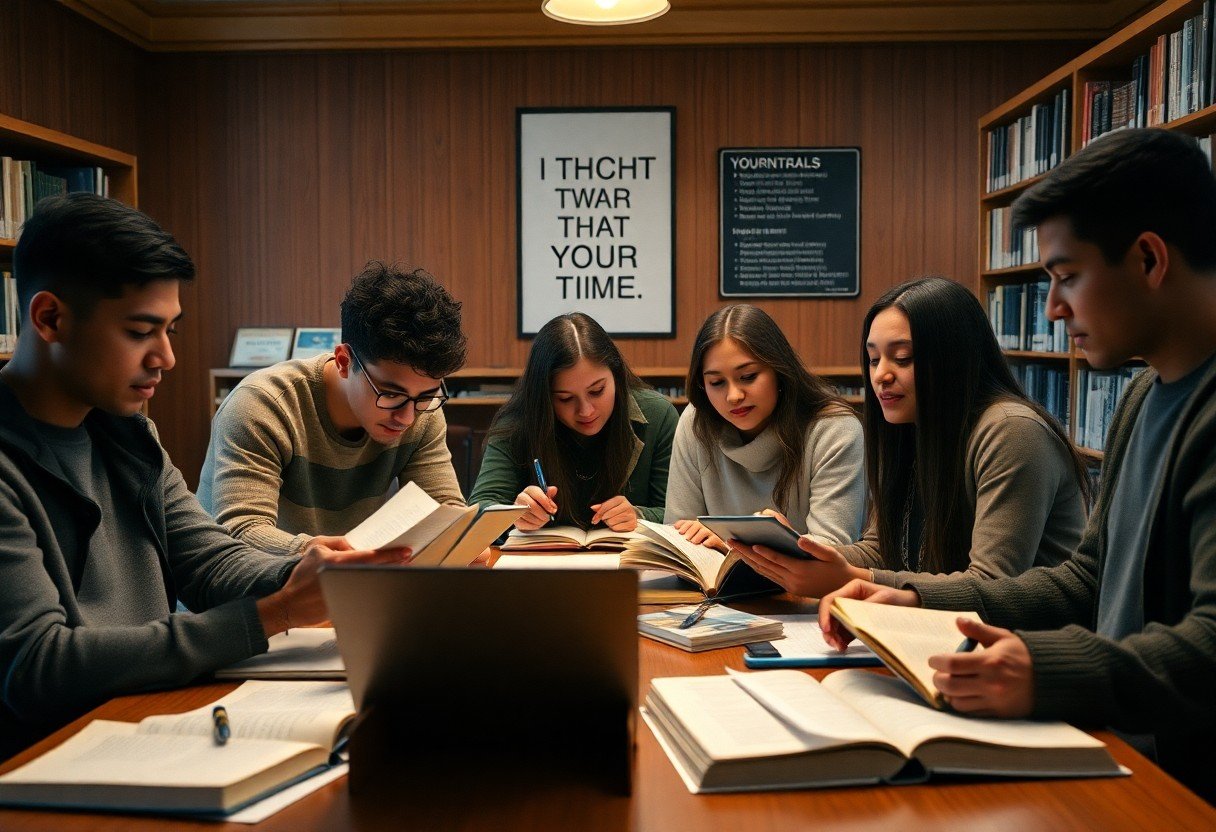

Being a student in a Filipino university comes with its own set of challenges, and one of the biggest hurdles is keeping up with assignments, especially when faced with illness. Juggling coursework, deadlines, and staying motivated can be overwhelming for any student, but for those who are unwell, it can seem nearly impossible.
However, there are strategies that ill students can employ to ensure they stay on track academically, even when their health is compromised. By implementing these strategies, students can minimize the impact of their illness on their coursework and academic performance.
One of the key strategies for students is effective time management. Giving yourself realistic time frames for completing assignments and breaking them down into smaller, manageable tasks can help you stay organized and focused. This will enable you to allocate your energy and resources efficiently.
Additionally, communication is crucial in navigating the challenges of being ill while studying. Keeping your tutors and professors informed about your situation allows them to provide necessary support and offer accommodations if needed. It’s important to remember that they are there to help you succeed.
The COVID-19 pandemic has further magnified the difficulties faced by ill students in Filipino universities. With the shift to online learning, the lack of internet connectivity and access to technology has widened the gap between students. However, flexible learning approaches, such as correspondence teaching and project-based activities, can help bridge this gap and ensure that ill students have equal opportunities to succeed in their studies.
Key Takeaways:
- Effective time management is essential for ill students to stay on track with assignments.
- Open communication with tutors and professors can lead to necessary support and accommodations.
- The COVID-19 pandemic has highlighted the need for flexible learning options for ill students.
- Correspondence teaching and project-based activities can help address the challenges faced by ill students in online learning.
- By implementing strategies and seeking support, ill students can maintain their academic performance despite their health challenges.
Challenges in Online Learning for Filipino Students
The shift to online learning brought about by the COVID-19 pandemic has presented unique challenges for Filipino students. In a country where access to internet connectivity and technology is not always readily available, many students are struggling to fully participate in their online classes. This lack of access has widened the digital divide and has had a significant impact on the learning outcomes of students.
Additionally, the sudden transition to online learning has required students to quickly adapt to new learning modalities and technologies. For some, this adjustment can be overwhelming, as they navigate unfamiliar platforms and tools. The learning curve for online learning can be steep, especially for those who are not technologically inclined.
It is crucial for universities in the Philippines to address these challenges and provide support to ensure that all students have equal access to education. They must prioritize bridging the gap in internet connectivity and access to technology by providing resources such as laptops and reliable internet connections. Additionally, universities can offer training and support services to help students navigate the online learning environment more effectively.

By taking proactive measures to address the challenges faced by Filipino students in online learning, universities can create a more inclusive and accessible education system. This will not only benefit the current generation of students, but also contribute to the overall development and progress of the country.
Strategies for Keeping up with Assignments When Ill
When students fall ill, keeping up with assignments can be a daunting task. But fret not! There are effective strategies you can employ to stay on top of your coursework even when you’re under the weather.
1. Prioritize and Manage Your Time:
Start by prioritizing your assignments and breaking them down into manageable tasks. Set realistic deadlines for each task and create a schedule to ensure you stay organized. By efficiently managing your time, you can allocate the necessary focus and attention to each assignment.
2. Communication is Key:
Don’t hesitate to communicate with your professors when you’re unable to meet assignment deadlines due to illness. Reach out to them promptly, explain your situation, and request extensions or accommodations if needed. Most professors are understanding and willing to assist you in such circumstances.
3. Take Care of Your Health:
Remember to prioritize your physical and mental well-being. Get enough rest, eat nutritious food, and stay hydrated. Taking care of your health will help you recover faster and maintain your overall academic performance.
4. Seek Support:
Don’t hesitate to seek support from your friends, family, or classmates. They can provide you with moral support, help with assignments, and share their notes or lecture recordings. Collaborating and seeking assistance can ease the burden and ensure you don’t fall behind.

Implementing these strategies will help you overcome the challenges of completing assignments while being ill. By practicing effective time management, maintaining open communication, prioritizing your health, and seeking support, you can stay on track with your coursework and minimize any detrimental impact on your academic performance.
The Impact of COVID-19 on Filipino Universities
The COVID-19 pandemic has caused unprecedented disruptions in various sectors, including education. Filipino universities have been significantly affected by the impact of the virus, leading to a major transformation in the way education is delivered. With the closure of physical campuses, universities were forced to quickly adapt to online learning modalities to ensure the continuity of education for their students.
However, this transition to online learning has not been without its challenges. One of the primary obstacles faced by Filipino universities is the limited internet connectivity and lack of access to technology for many students. While online classes present a viable alternative to physical lectures, the digital divide has become more apparent, with a significant number of students unable to fully participate due to the lack of necessary resources.
As a result, the quality of education has been compromised for these students, as they are unable to engage in real-time discussions, access course materials, or submit assignments on time. The impact of this digital divide can have long-term consequences on their academic performance and overall learning outcomes.
In addition to the challenges faced by students, the sudden shift to online learning has required both students and faculty to adapt to new technologies and teaching methods. This adjustment can be overwhelming, particularly for those who were not accustomed to digital learning environments. Universities have had to invest in training programs and provide resources to support both students and faculty members in navigating these new educational landscapes.
It is crucial for Filipino universities to address these challenges and ensure that all students have equal access to education. Efforts must be made to bridge the digital divide by providing internet connectivity and necessary devices to students who lack access. Additionally, universities should offer support and guidance to students and faculty members to ensure they are equipped with the skills and knowledge needed for online learning.
By embracing the challenges posed by the COVID-19 pandemic, Filipino universities have the opportunity to transform their education system and create more inclusive and flexible learning environments. It is crucial that these institutions prioritize the needs of their students and work towards implementing effective solutions to overcome the barriers to online learning.
Conclusion
The COVID-19 pandemic has presented unprecedented challenges for students in Filipino universities, particularly in the realm of keeping up with assignments. However, with the implementation of effective strategies, students can overcome these obstacles and maintain their academic performance.
One of the key strategies is time management. By setting realistic deadlines and prioritizing assignments, students can ensure that they allocate sufficient time for each task. Effective time management enables students to stay organized and complete their coursework on time, even when faced with illness.
Communication is another crucial strategy. Students should actively engage with their professors and communicate any challenges or concerns. By seeking extensions or accommodations when necessary, students can ensure that they receive the necessary support to successfully complete their assignments.
In addition, self-care plays a vital role. Illness can take a toll on physical and mental well-being, making it essential for students to prioritize self-care practices. Adequate rest, proper nutrition, and seeking support from friends and family can help students maintain their health and well-being, ultimately enhancing their ability to handle academic tasks.
While online learning has become the new norm due to the COVID-19 pandemic, it has also highlighted the need for universities to address challenges related to internet connectivity and access to technology. Efforts must be made to bridge the digital divide and ensure that all students have equal access to education, regardless of their circumstances.
The road ahead may still be challenging, but with continued efforts and support from Filipino universities, students can overcome the obstacles posed by the pandemic and succeed in their studies. By implementing effective strategies, students can not only weather the storm but also emerge stronger in their academic journeys.