

Did you know that Wichita, Kansas, is known as the “Air Capital of the World”? With a rich history in aviation and a thriving aerospace industry, Wichita is the perfect place to pursue your Aerospace Engineering Master’s degree. At Wichita State University, we offer a renowned graduate program that provides you with cutting-edge skills and unparalleled industry connections to help you excel in this dynamic field.
Key Takeaways
- Wichita, Kansas is the “Air Capital of the World” with a thriving aerospace industry
- Wichita State University offers a top-tier Aerospace Engineering Master’s program
- Gain advanced skills and industry connections through our renowned graduate program
- Explore cutting-edge research and development opportunities in aerospace engineering
- Prepare for a successful career in the dynamic and in-demand aerospace field
The Wichita State University M.S. in Aerospace Engineering
Wichita State University (WSU) offers an exceptional Master of Science (M.S.) in Aerospace Engineering program that provides students with advanced study and research opportunities. Our program is designed to help aspiring aerospace engineers deepen their knowledge and skills, preparing them for successful careers in this dynamic industry.
Advanced Study and Research Opportunities
At WSU, students in the aerospace engineering master’s program have access to some of the best aerospace facilities in the country. Our state-of-the-art laboratories and research centers, including collaborations with industry leaders like Airbus, offer unparalleled opportunities for hands-on learning and cutting-edge discoveries.
Through our M.S. in Aerospace Engineering, students can explore a wide range of specializations, from aerodynamics and flight dynamics to structures and materials. Our faculty, who are renowned experts in their fields, guide students in conducting advanced research that pushes the boundaries of aerospace engineering.
Whether you’re interested in designing the next generation of aircraft, developing innovative materials for space exploration, or advancing our understanding of flight mechanics, our aerospace engineering master’s program at Wichita State University can provide you with the knowledge, skills, and research opportunities to achieve your goals.
Admission Requirements and Degree Options
Aspiring aerospace engineers seeking a master’s degree have several options at Wichita State University (WSU). Our M.S. in Aerospace Engineering program offers three distinct degree pathways: the Thesis Option, the Directed Project, and the Non-Thesis Option. Regardless of the track you choose, our program ensures you’ll gain the advanced knowledge and practical skills needed to excel in this dynamic field.
To be admitted into the program, applicants must meet a minimum GPA requirement of 3.0 for full standing or 2.75-3.0 for probationary admission. For students opting for the Non-Thesis Option, an additional Applied Learning Activity is required to complement their coursework.
The Thesis Option allows you to conduct in-depth research and present your findings in a written thesis, while the Directed Project gives you the opportunity to tackle a specific aerospace engineering challenge. The Non-Thesis Option, on the other hand, provides a more flexible, coursework-focused approach, enabling you to tailor your studies to your unique career aspirations.
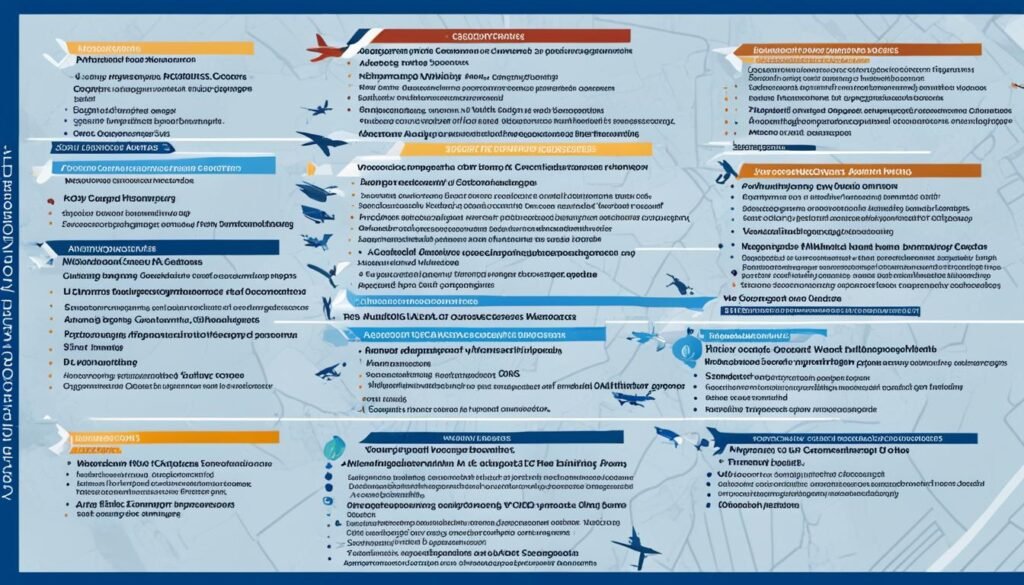
Regardless of the degree path you choose, our program offers the flexibility to design an academic plan that aligns with your professional goals. With a focus on applied learning and cutting-edge research, the M.S. in Aerospace Engineering at WSU equips you with the knowledge and skills to thrive in the ever-evolving aerospace industry.
Kansas: Aerospace engineering master’s degree Wichita Kansas
Wichita, Kansas, known as the “Air Capital of the World,” is the ideal location to pursue your aerospace engineering master’s degree. The region’s rich aviation heritage and thriving aerospace industry provide unparalleled opportunities for students to gain hands-on experience and make valuable industry connections.
Home to major aerospace manufacturers like Boeing, Airbus, and Textron Aviation, Wichita offers a unique blend of academic excellence and real-world applications in the field of aerospace engineering. By studying in this dynamic hub, you’ll have access to cutting-edge research facilities, internships, and collaborations with industry leaders shaping the future of aviation.

The city’s strong ties to the aerospace industry mean you’ll be immersed in a vibrant community of engineers, researchers, and innovators. This vibrant ecosystem provides endless opportunities to network, gain practical experience, and position yourself for success in the thriving “Air Capital of the World.”
Core Curriculum and Specializations
At Wichita State University, the Master of Science in Aerospace Engineering program offers a comprehensive core curriculum that covers the essential areas of the field. Students delve into the fundamentals of aerodynamics and fluid mechanics, structures and solid mechanics, and flight dynamics and control. This solid foundation allows them to develop a deep understanding of the core principles that drive aerospace engineering.
Aerodynamics, Structures, and Flight Dynamics
Beyond the core curriculum, the program provides opportunities for specialization. Elective courses and research projects enable students to tailor their studies to align with their specific interests and career goals. Whether it’s exploring the intricacies of aerodynamics, investigating advanced structural design, or diving into the complexities of flight dynamics, the program equips students with the specialized knowledge and skills they need to excel in their chosen field.
The combination of a comprehensive core curriculum and flexible specialization options ensures that graduates of the Wichita State University M.S. in Aerospace Engineering program are well-prepared to tackle the diverse challenges and emerging technologies within the aerospace industry.
Application Process and Deadlines
At Wichita State University, our M.S. in Aerospace Engineering program offers multiple entry points throughout the year. Prospective students can apply for fall, spring, or summer admission, each with their own set of application deadlines to be aware of.
To be considered for fellowships, scholarships, and research/teaching assistantships, we highly recommend meeting the priority deadlines. These are usually several months before the final deadlines for each term. The application process involves submitting official transcripts, letters of recommendation, a resume or CV, and a statement of objectives.

By planning ahead and adhering to these important admission deadlines, you can maximize your chances of securing the best funding opportunities and starting your Aerospace Engineering master’s journey at Wichita State University. We encourage you to reach out to our admissions team if you have any questions about the application process or deadlines.
Research and Facilities
At Wichita State University, the Aerospace Engineering Department is equipped with cutting-edge facilities that enable our students to engage in groundbreaking research. Our state-of-the-art laboratories and workshops provide the resources necessary to delve into the complexities of aerodynamics, structures, and flight dynamics.
Cutting-Edge Aerospace Research
Our faculty and students collaborate on a wide range of research projects, leveraging the department’s exceptional facilities and industry partnerships. From exploring innovative aerodynamic designs to developing advanced structural analysis techniques, we are at the forefront of aerospace research. This hands-on experience, combined with the guidance of our renowned experts, equips our students with the skills and knowledge needed to excel in the industry.

Through our collaborative efforts with leading aerospace companies, we ensure that our research remains aligned with the industry’s evolving needs. This strong connection to the industry not only enhances the relevance of our work but also opens doors for our students to pursue exciting career opportunities upon graduation.
Career Prospects and Alumni Success
Graduates of the M.S. in Aerospace Engineering program at Wichita State University are well-prepared to excel in a wide range of career paths within the aerospace industry, government agencies, and research laboratories. Our alumni have gone on to hold leadership positions, secure promotions, and continue their education, demonstrating the value of their WSU education.
Many of our graduates find exciting opportunities in the aerospace industry, working for leading companies that design and manufacture aircraft, spacecraft, and related components. Others leverage their expertise to serve in government agencies like the Federal Aviation Administration (FAA) or the National Aeronautics and Space Administration (NASA), shaping the future of the aerospace sector through policy and regulation.
Additionally, our alumni have been successful in pursuing advanced research at prestigious universities and cutting-edge research laboratories. Their work on innovative aerospace technologies and systems has led to groundbreaking discoveries and advancements that push the boundaries of what’s possible in the field.
The career prospects for our M.S. in Aerospace Engineering graduates are vast and promising. With the knowledge, skills, and network gained through our program, our students are well-equipped to thrive in a variety of roles, from design and development to research and leadership, within the dynamic and ever-evolving aerospace landscape.
Conclusion
The Aerospace Engineering Master’s program at Wichita State University in Kansas offers a remarkable opportunity to advance your knowledge and skills within the dynamic aerospace industry. With a focus on cutting-edge research, specialized concentrations, and strong industry connections, this program equips you with the tools and resources to thrive in the “Air Capital of the World.” Whether your aspirations lie in pioneering aerospace advancements, honing your technical expertise, or forging meaningful industry relationships, this exceptional program can help you achieve your career goals and make a lasting impact.
As you embark on your journey to become a leader in the aerospace field, we encourage you to explore the comprehensive curriculum, state-of-the-art facilities, and diverse research opportunities available at Wichita State University. With a deep-rooted tradition of excellence and a steadfast commitment to innovation, this program is poised to propel you towards a fulfilling and rewarding career in the aerospace engineering industry.
Take the first step towards shaping the future of aerospace by considering the Aerospace Engineering Master’s program at Wichita State University in Kansas. Unlock a world of possibilities and position yourself at the forefront of this dynamic and ever-evolving field.