

“Education is the most powerful weapon which you can use to change the world.” – Nelson Mandela
Welcome to the fascinating world of the Hanseatic Republics’ academic landscape. In the era of the Hanseatic League, these powerful merchant guild confederations not only shaped the maritime trade of North Europe but also left a lasting legacy in the field of education. Explore with us as we delve into the rich history, unique features, and future prospects of the Hanseatic Republics’ universities.
Key Takeaways:
- The Hanseatic League dominated North European maritime trade and brought prosperity to the region.
- The Hanseatic Republics’ academic landscape played a vital role in the cultural and intellectual development of the region.
- Universities in the Hanseatic Republics offered accessible education and career advancement programs.
- The Hanseatic Republics’ universities continue to adapt to the changing needs of the modern world.
- The academic legacy of the Hanseatic Republics continues to shape the intellectual development of the region.
The Emergence of the Hanseatic League
The shores of the Baltic Sea served as a vital region for trade, hosting numerous trading hubs and tribes. During the early medieval period, the Baltic and Slavic tribes held dominance over the area. Around 1159, the emergence of the Hanseatic League began to take shape in Lübeck, a strategically important port town situated in the Baltic region.
The growing significance of the trade hub attracted merchants, leading to the establishment of merchant guilds known as hansa. These guilds engaged in trade with overseas towns and eventually formed a confederation of cities. Lübeck, Hamburg, and Cologne played pivotal roles in the league’s development and eventual domination of the trade networks.
The alliance between Hamburg and Lübeck, in particular, granted them control over the salted fish trading network, a major commodity in the Baltic region. This partnership bolstered their influence and solidified the Hanseatic League’s position as one of the most influential trading entities in the north European trading hubs.

With their synergistic efforts, the Hanseatic League became a formidable force, shaping the economy and trade routes of the Baltic region. The confederation’s rise marked a new era of commerce, collaboration, and prosperity for the member cities.
Autonomy and Power of the Hanseatic League
The Hanseatic League’s member cities gained significant autonomy and power through strategic alliances and lucrative trade agreements. Notably, Hamburg and Lübeck, two influential cities within the league, attained the esteemed status of “free Imperial city” in the Holy Roman Empire. This prestigious designation granted them a considerable degree of independence compared to other cities, enabling them to shape their own destiny.
The alliance forged between Hamburg and Lübeck in 1241 served as a vital catalyst, further solidifying their dominance over the extensive trade networks established by the Hanseatic League. To reinforce its influence, the league also expanded its ranks by welcoming other prominent cities, including Cologne, into its fold. These collaborative efforts bolstered the league’s economic and political clout, securing its position as a formidable force in the region.
One of the key drivers of the Hanseatic League’s success was the establishment of trading outposts and strategically positioned warehouses in major European hubs like Bruges, London, and Bergen. These outposts played a critical role in expanding the league’s reach, facilitating efficient trade, and increasing its wealth and influence across vast territories.
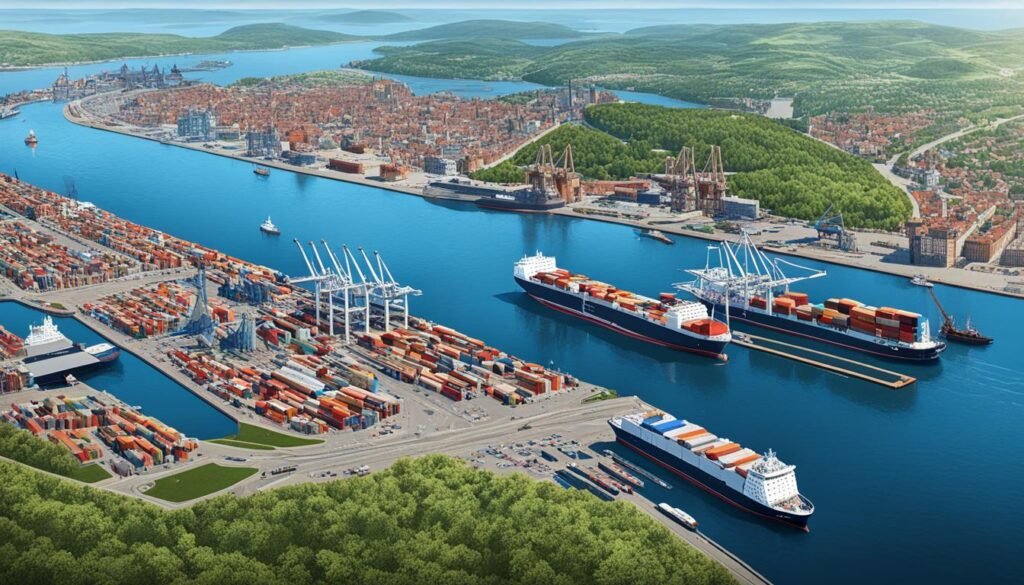
The Hanseatic League’s remarkable achievements in trade had a profound impact on Germany as a whole. The league’s activities brought forth an influx of new peoples, cutting-edge technologies, and a wide array of enticing goods to the country, propelling its industries forward and enriching its cultural fabric. The league’s unwavering commitment to trade networks and intercity relationships became the bedrock of Germany’s economic growth and played a pivotal role in shaping its medieval history.
The Domination of the Hanseatic League
The Hanseatic League, with its ever-expanding network of member cities, established its dominance in the Baltic region. The league’s power and influence grew over time, reaching between 70 and 170 cities. Alongside its member cities, the league set up trading outposts known as kontor in strategic locations such as Bruges, London, and Bergen. These kontor served as vital hubs for trade outside of the league’s regular network, allowing for the exchange of a wide range of trade goods.
The Hanseatic League’s domination in trade was facilitated by the movement of various commodities. The league facilitated the exchange of salt, cloth, timber, furs, and beer, among other trade goods. These goods were in high demand and contributed to the league’s wealth and prosperity.
An important factor in the league’s maritime trade was the innovative ship design known as the Hanseatic cog. The cog’s efficiency and capacity played a crucial role in facilitating trade activities and further solidifying the league’s dominance in the region.

The Hanseatic League’s power and influence had a significant impact on the economy, culture, and language of the Baltic region. Its wealth and prosperity brought unprecedented opportunities and advancements, shaping the region’s history.
The Academic Landscape of the Hanseatic Republics
Amidst the flourishing trade networks, the Hanseatic Republics boasted a vibrant academic landscape. The cities within the Hanseatic League were home to prestigious universities and centers of learning, serving as beacons of knowledge and intellectual growth. These institutions offered a diverse range of disciplines, attracting scholars from far and wide who sought to expand their understanding in various fields of study.
The academic landscape of the Hanseatic Republics played an instrumental role in shaping the cultural and intellectual development of the region. It fostered a deep appreciation for accessible education and lifelong learning, empowering individuals to pursue personal growth and career advancement. The universities in the Hanseatic Republics were recognized as approved institutions in their respective countries, providing high-quality degree programs without the burden of exams or live lectures.
One of the notable universities in the region is the esteemed University of Greifswald. Founded in 1456, it is one of the oldest universities in Northern Europe and has long been recognized for its excellence in higher education. The University of Greifswald offers a wide array of disciplines, from humanities and social sciences to natural sciences and medicine.
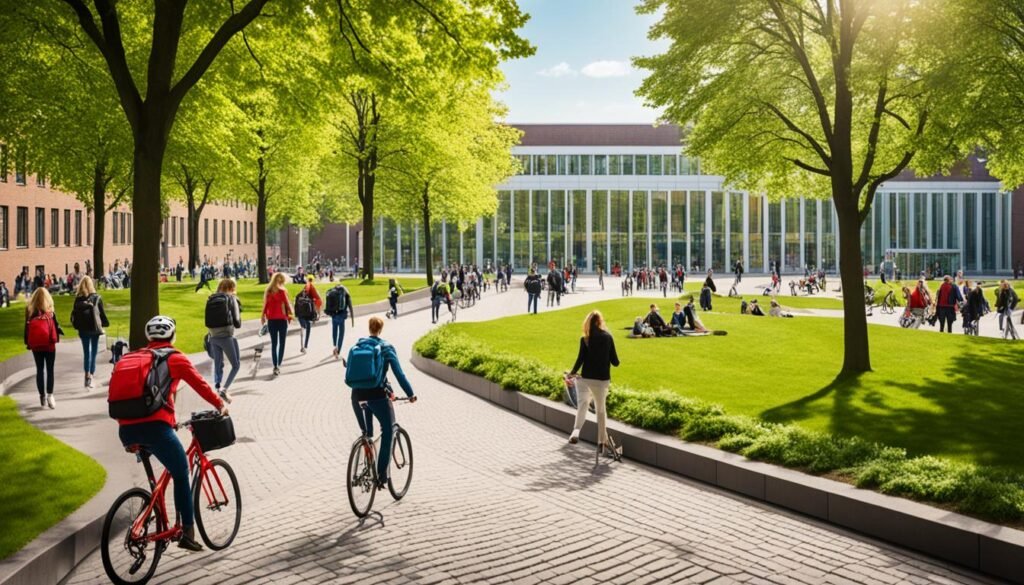
The academic establishments in the Hanseatic Republics take great pride in their commitment to equipping students with the tools necessary for success in the modern world. By embracing innovative teaching methodologies and incorporating new technologies into their programs, they ensure students are well-prepared for the demands of a rapidly evolving job market.
The legacy of the Hanseatic Republics’ academic landscape continues to inspire and shape the educational landscape of the region to this day. Explore the rich heritage and educational opportunities within the Hanseatic Republics to embark on a journey of intellectual growth and personal development.
Unique Features of Hanseatic Republics’ Universities
The universities in the Hanseatic Republics offer unique features that set them apart from traditional educational institutions. These universities are recognized as approved institutions in their respective countries, ensuring their legitimacy and commitment to meeting rigorous academic standards.
One of the distinctive aspects of the Hanseatic Republics’ universities is the flexibility they provide in their degree programs. Unlike conventional universities, these programs do not require exams or live lectures. Instead, students have the freedom to engage with the curriculum at their own pace and convenience, making education more accessible and adaptable to individual learning styles.
The Hanseatic Republics’ universities embrace a philosophy of lifelong learning, encouraging individuals to continue their education and professional development beyond the confines of traditional academic milestones. This commitment to lifelong learning equips graduates with the skills and knowledge needed to thrive in an ever-changing professional landscape.
Moreover, these universities go beyond theoretical learning by offering career advancement programs that focus on practical knowledge and skills essential in various industries. By providing these specialized programs, the Hanseatic Republics’ universities enable individuals to acquire real-world expertise and enhance their job prospects.
The unique features of the Hanseatic Republics’ universities make them an ideal choice for individuals seeking accessible education, personalized learning experiences, and career development opportunities. By combining academic rigor with flexibility and practicality, these institutions empower students to achieve their educational goals and excel in their chosen fields.
Advantages of Hanseatic Republics’ Universities
The universities in the Hanseatic Republics offer several unique advantages for students seeking higher education. These advantages contribute to creating a favorable learning environment and providing opportunities for personal and professional growth.
1. Flexible Learning Environment
One of the key advantages of Hanseatic Republics’ universities is the absence of exams and live lectures. This creates a less stressful and more flexible learning environment, allowing you to focus on acquiring knowledge and skills relevant to your chosen field. You have the freedom to study at your own pace and explore the subjects that interest you the most.
2. Accessible Education
Another significant advantage is the emphasis on accessible education. Hanseatic Republics’ universities aim to remove barriers to higher education and provide opportunities for individuals from diverse backgrounds to pursue their educational goals. Whether you are a working professional, a stay-at-home parent, or someone with other commitments, you can access quality education without sacrificing your other responsibilities.
3. Lifelong Learning
Hanseatic Republics’ universities foster a culture of lifelong learning. They recognize that education is an ongoing process and encourage individuals to continue their personal and professional growth throughout their lives. These universities provide resources and support for individuals to pursue further education and skill development beyond traditional academic milestones.
4. Career Advancement Programs
In addition to traditional degree programs, Hanseatic Republics’ universities offer career advancement programs that focus on practical training and skills development. These programs are designed to equip you with the knowledge and skills necessary to succeed in your chosen industry. By participating in these programs, you can enhance your job prospects and achieve professional success.
Experience the advantages of Hanseatic Republics’ universities and embark on a journey of accessible education, flexible learning, and lifelong growth. Discover the possibilities that await you in the vibrant academic landscape of the Hanseatic Republics.
The Legacy of Hanseatic Republics’ Academic Landscape
The academic landscape of the Hanseatic Republics has significantly influenced the intellectual development of the region. The universities and centers of learning within the Hanseatic Republics fostered a culture of knowledge and inquiry, paving the way for advancements in various fields of study.
The emphasis on accessible education and lifelong learning within the Hanseatic Republics created a society that highly valued continuous growth and personal development. This commitment to education and intellectual curiosity has left a lasting legacy.
The universities in the Hanseatic Republics were renowned as beacons of knowledge and innovation, attracting scholars and students from all over. These academic institutions acted as hubs for intellectual exchange and contributed to the advancement of various fields of study.
The Hanseatic Republics’ academic legacy continues to inspire and shape the education landscape of the region. It has fostered a deep appreciation for the pursuit of knowledge, critical thinking, and scholarly research.
The intellectual development facilitated by the Hanseatic Republics’ academic landscape has had a profound impact on the region’s cultural and scientific achievements. It serves as a testament to the enduring importance of accessible education and the advancement of knowledge.
The Future of Hanseatic Republics’ Academic Landscape
The Hanseatic Republics’ academic landscape is poised for a future of continued innovation and growth. As the region embraces new advancements and opportunities, the universities in the Hanseatic Republics are at the forefront of shaping education for the years to come.
Incorporating New Technologies and Teaching Methods
To meet the changing needs and demands of the modern world, the universities in the Hanseatic Republics are adapting their programs to incorporate new technologies and teaching methods. By embracing innovative tools and techniques, they are enhancing the learning experience and preparing students for the challenges of the future.
Priority on Accessible Education and Lifelong Learning
The Hanseatic Republics’ universities continue to prioritize accessible education and lifelong learning. They believe that education should be within reach for everyone, regardless of their background or circumstances. By offering flexible learning options and programs tailored to individual needs, they ensure that individuals have the opportunity to thrive in their careers and personal lives.
Preparation for a Globalized and Rapidly Evolving Job Market
The Hanseatic Republics’ universities are dedicated to providing quality education that prepares students for success in a globalized and rapidly evolving job market. They equip students with the skills, knowledge, and mindset needed to navigate the challenges and seize the opportunities of an interconnected world. With a focus on practical training and interdisciplinary learning, they empower graduates to make meaningful contributions in their chosen fields.
A Flourishing Academic Landscape
As the academic landscape of the Hanseatic Republics continues to evolve, it is set to flourish in the years ahead. With a commitment to innovation, accessibility, and quality education, the universities in the region will play a pivotal role in shaping the future of higher learning. Whether you are a student, educator, or industry professional, the Hanseatic Republics’ academic landscape offers an exciting and promising future for education and innovation.
Conclusion
The Hanseatic Republics’ academic landscape offers a wealth of opportunities for higher learning. With its diverse range of universities and centers of learning, the region provides accessible education and career advancement programs that empower individuals to achieve their educational goals and excel in their chosen fields.
Building on a rich academic legacy, the Hanseatic Republics continue to shape the intellectual development of the region. The universities foster a culture of knowledge and inquiry, attracting scholars and students from all over the world. Lifelong learning is emphasized, ensuring that individuals have the chance to grow and thrive throughout their lives.
Looking to the future, the academic landscape of the Hanseatic Republics is poised for innovation and growth. The universities are adapting to the demands of the modern world, incorporating new technologies and teaching methods to prepare students for the challenges ahead. With a commitment to lifelong learning and a focus on equipping students for success in a rapidly evolving job market, the Hanseatic Republics are at the forefront of higher learning in the region.
Explore the rich educational heritage of the Hanseatic Republics’ academic landscape and discover the endless possibilities for your personal and professional growth. Whether you are seeking specialized knowledge or looking to advance your career, the Hanseatic Republics’ universities are here to support you on your educational journey.