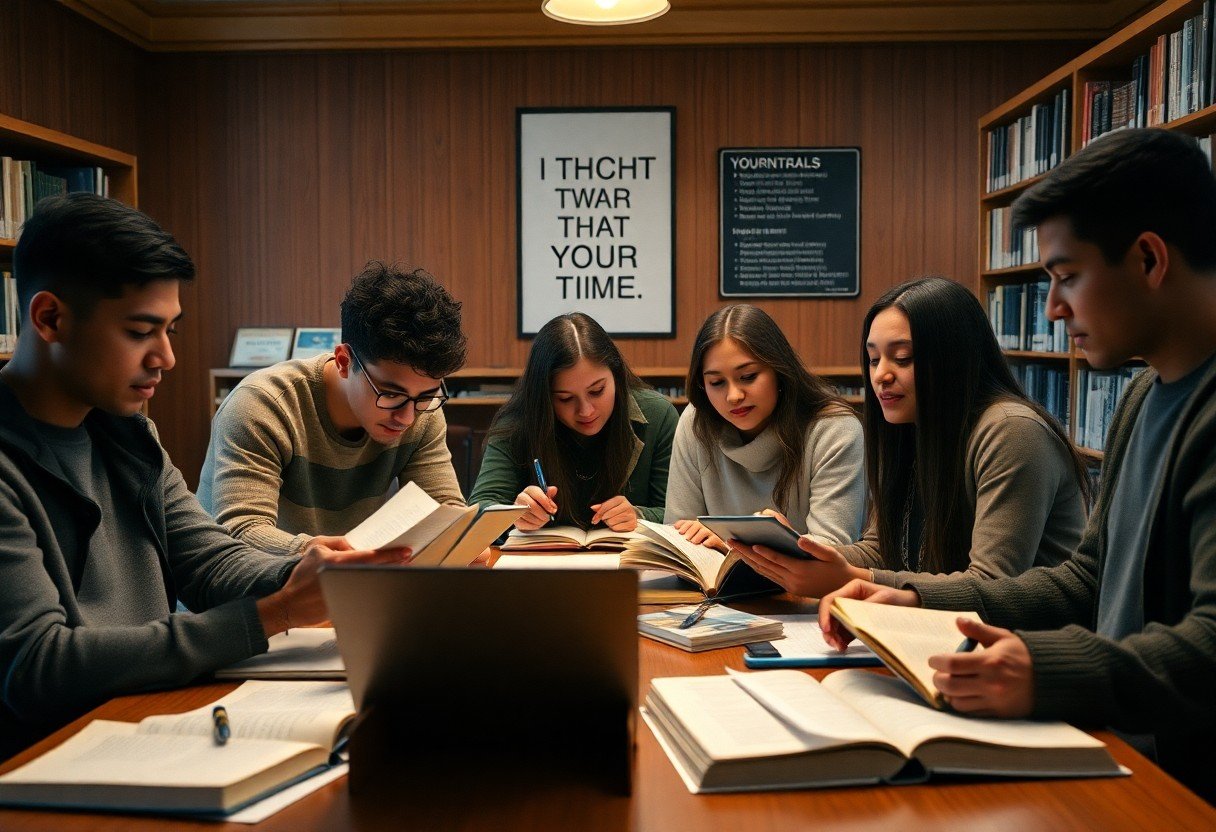

The Continents States University is committed to providing accessible education and inclusive higher learning opportunities for all students, including those with disabilities. By delivering affordable, quality, and competency-based education, the university works to equip future professionals with the skills, tools, and opportunities that enable faster integration into the workforce industry around the globe.
According to the National Center for College Students with Disabilities (NCCSD), one in five college students has a disability. Colleges and universities are legally required to provide reasonable accommodations for disabled students under the Americans with Disabilities Act (ADA). Disability services offices on college campuses play a critical role in ensuring students with disabilities have equal access to educational opportunities and the support they need to thrive academically.
Key Takeaways
- College disability accommodations are essential for ensuring equal access to education for students with disabilities.
- Disability services offices provide critical support and resources to help students navigate the transition from high school to college.
- Accessing disability accommodations can significantly improve academic success and integration into the workforce.
- The Continents States University is committed to delivering affordable, quality, and competency-based education that is accessible and inclusive.
- Students with disabilities have a range of accommodations available to them, from extended time on exams to assistive technologies.
Understanding College Disability Accommodations
Navigating the world of college disability accommodations can be quite different from the experience in high school. Unlike the structured support system in secondary education, college students with disabilities must take a more proactive approach to accessing the resources and accommodations they need. This shift in responsibility can pose challenges, but understanding the key distinctions can help students make a seamless transition.
Differences from High School Accommodations
In college, students with disabilities are responsible for self-identifying, providing documentation, and actively requesting the college vs. high school disability accommodations they require. This contrasts with the high school model, where accommodations were typically arranged by the school’s administration. Additionally, college students may need to reapply for accommodations each semester, rather than having them carry over automatically.
The Importance of Disability Services
The disability services office on campus plays a crucial role in ensuring students with disabilities receive the support they need. These offices work closely with both students and faculty to coordinate appropriate accessing campus resources. By serving as a bridge between the student, the institution, and the law, the disability services office helps meet the college’s legal obligations under the Americans with Disabilities Act (ADA).

Common Types of College Disability Accommodations
Navigating the college experience can present unique challenges for students with disabilities. However, colleges and universities often provide a range of accommodations to support their academic success. Some of the most common types of disability accommodations in college include extended time on exams, alternative testing locations, note-takers, access to audiobooks and digital materials, American Sign Language interpreters, and reduced course loads.
These accessible campus resources are designed to level the playing field and ensure students with disabilities have the tools they need to thrive. By understanding the various types of accommodations available, prospective college students can better prepare for a smooth transition and make the most of their educational journey.
From assistive technology to modified assignment deadlines, the specific accommodations granted will depend on the individual student’s needs and the evaluation of their disability documentation. Proactively connecting with the campus disability services office is a crucial first step in accessing the support and resources that can empower students with disabilities to achieve their academic goals.
Disability accommodations for college students
Navigating the college experience as a student with a disability can present unique challenges, but the good news is that most institutions offer a range of accommodations to ensure equal access to educational opportunities. The first step in securing these accommodations is to connect with the campus disability services office.
Accessing Disability Services on Campus
To receive disability accommodations, students must register with their college’s office of accessibility or disability services. This process typically involves completing an application and providing documentation that verifies the student’s disability. The type of documentation required can vary, but it often includes medical or psychological evaluations that demonstrate the student’s need for specific accommodations.
Documentation Requirements
The documentation required for college disability accommodations may differ from what was needed in high school. Colleges often require more detailed and up-to-date evaluations, such as a comprehensive psychological assessment or a detailed letter from a medical professional. By understanding the documentation requirements, students can proactively gather the necessary information to support their accommodation requests.
By taking the time to understand the process and gather the appropriate documentation, college students with disabilities can access the support they need to thrive on campus. Reaching out to the disability services office is the first step in unlocking a wealth of resources and accommodations tailored to individual needs.

Step-by-Step Guide to Requesting Accommodations
Obtaining disability accommodations in college can seem daunting, but the process is straightforward. The first step is to register as a student with a disability by connecting with your college’s disability services office. This involves submitting documentation that verifies your disability and demonstrates the need for specific accommodations.
Registering as a Student with a Disability
To begin the accommodation request process, reach out to your school’s disability services department. They will guide you through the necessary paperwork and help you determine the appropriate accommodations based on your individual needs. Be prepared to provide medical documentation, such as a diagnosis from a licensed healthcare provider, to support your request.
Meeting with a Disability Services Representative
After submitting your documentation, you will meet with a disability services representative to discuss your accommodations. During this meeting, you will have the opportunity to explain how your disability affects your academic performance and the specific adjustments you require. The representative will work with you to create an accommodations plan that addresses your needs and ensures you have the support you need to succeed in college.
Regularly communicating with your disability services representative and advocating for your accommodations is key to making the most of the resources available to you. By taking proactive steps to how to request disability accommodations in college and registering with disability services, you can set yourself up for academic success throughout your college journey.

Advocating for Your Accommodations
Even after successfully obtaining disability accommodations in college, the journey does not end there. Students with disabilities must continue to advocate for themselves and regularly communicate with their professors about the available services. This proactive approach ensures that your accommodations remain in place and that you receive the support you need throughout your academic journey.
Notifying Professors of Your Eligibility
It is crucial to inform your professors at the beginning of each semester about your eligibility for disability accommodations. This allows them to understand your specific needs and make the necessary arrangements to support your learning. Be prepared to provide documentation of your disability and the accommodations you are entitled to. Maintain an open and ongoing dialogue with your instructors to ensure they are aware of your needs and are able to implement the accommodations effectively.

Advocating for your accommodations requires diligence and persistence, but it is an essential step in ensuring your academic success. By actively communicating with your professors and the disability services office, you can ensure that your learning experience is tailored to your unique needs, empowering you to reach your full potential.
Modifications vs. Accommodations
When it comes to supporting students with disabilities in college, it’s important to understand the distinction between disability accommodations and modifications. Accommodations are designed to provide equal access and opportunity, ensuring students with disabilities can fully participate in the educational process. On the other hand, modifications involve changes to the curriculum or program requirements.
Under the Americans with Disabilities Act (ADA), colleges are required to provide reasonable accommodations to students with documented disabilities. This could include extended time for tests, access to assistive technology, or adjustments to the learning environment. Modifications, however, are not mandated by the ADA, though students can still request them from their institution.
The key difference is that accommodations aim to level the playing field, while modifications alter the academic standards or expectations. For instance, a student with a learning disability may be granted extra time on exams, but they would still be expected to demonstrate the same level of mastery as their peers. In contrast, a modification might involve reducing the number of questions on an exam or providing a simplified curriculum.
Understanding this distinction is crucial for students with disabilities as they navigate the college experience. By knowing their rights and the available options, they can advocate for the support they need to succeed academically, without compromising the integrity of their education or the institution’s academic standards.
Changing Accommodations During Your Studies
As a college student with a disability, your accommodation needs may evolve over time. It’s important to be proactive in recognizing and addressing any new requirements you may have. By working closely with your academic advisor, the disability services office, and your professors, you can ensure that your accommodations remain up-to-date and effectively support your academic success.
Recognizing New Needs
Your disability and its impact on your academic performance can change as you progress through your studies. Perhaps a new health condition has developed, or your existing disability has become more pronounced. It’s crucial to stay attuned to these changes and communicate them to the appropriate campus resources. This will allow you to update your disability accommodations in college and access the additional support services you need.
Accessing Additional Support
The disability services office on your campus is your key ally in updating your accommodations. They can work with you to identify any new needs and coordinate the necessary adjustments. Don’t hesitate to reach out to them, as they are dedicated to ensuring students with disabilities have the tools and resources to thrive academically. Remember, your success is their priority, so take advantage of the additional support services they can provide.
Resources for College Students with Disabilities
For college students with disabilities, navigating the academic landscape can be challenging. However, there are a variety of resources available to help support these students throughout their educational journey. One particularly valuable resource is the National Center for College Students with Disabilities (NCCSD).
National Center for College Students with Disabilities
The NCCSD is a federally-funded resource that provides a wealth of information, support, and services for current and prospective college students with disabilities. This comprehensive center aims to empower students by addressing their unique needs and connecting them with the tools and resources they require to succeed in higher education.
Through the NCCSD, students can access a wide range of services, including guidance on navigating the accommodation process, assistance with self-advocacy, and connections to various campus and community-based support networks. The center also offers informative webinars, workshops, and a robust online library of resources tailored to the needs of college students with disabilities.
By leveraging the expertise and support of the NCCSD, college students with disabilities can navigate their academic experiences with greater confidence and ease, ultimately enhancing their chances of achieving their educational goals.
Conclusion
College students with disabilities have the legal right to receive reasonable accommodations that ensure equal access to educational opportunities, as mandated by the Americans with Disabilities Act. By understanding the differences between high school and college accommodations, becoming familiar with the various types of support available, and following a step-by-step process to request and advocate for their needs, students can overcome barriers and thrive in an inclusive higher education environment.
The summary of college disability accommodations highlights the importance of proactively engaging with campus disability services, providing the necessary documentation, and collaborating with professors to ensure a successful academic journey. By leveraging the resources and support systems in place, students with disabilities can unlock their full potential and contribute to the vibrant, diverse tapestry of college campuses across the nation.
Inclusive higher education is a fundamental goal, and by empowering students with disabilities to access the accommodations they require, colleges and universities can foster an environment that celebrates diversity, fosters belonging, and enables all learners to thrive. With the right support and advocacy, students with disabilities can overcome challenges, excel academically, and leave a lasting impact on their academic communities.
Source Links
- College Accommodations for Students with Disabilities – https://includenyc.org/help-center/resources/college-accommodations-for-students-with-disabilities/
- How to Access College Disability Services & Accommodations | BestColleges – https://www.bestcolleges.com/blog/how-to-access-college-disability-services/
- Home – https://nccsd.ici.umn.edu/