

Designing the ideal class schedule is crucial for students in the Philippines to achieve optimal learning outcomes. With various factors influencing academic performance, such as online game playing, virtual learning, motivation, stress, teacher-related factors, and access to resources, it is essential to create a schedule that takes these factors into account. Additionally, the amount and quality of sleep have a direct effect on students’ cognitive function and academic performance. By understanding these factors and designing a class schedule that prioritizes them, students can unlock the secrets to academic success.
Key Takeaways:
- Designing the ideal class schedule is crucial for optimal learning outcomes in the Philippines.
- Factors such as online game playing, virtual learning, motivation, stress, and teacher-related factors can impact academic performance.
- The amount and quality of sleep have a direct effect on students’ cognitive function and academic performance.
- By understanding these factors and designing a class schedule that addresses them, students can improve their academic success.
- Creating a conducive learning environment is key to unlocking academic potential.
Factors Affecting Academic Performance in the Philippines
Academic performance in the Philippines is influenced by various factors that have a significant impact on students’ learning outcomes. One of the factors is the prevalence of online games, which can distract students and affect their focus and study habits. Time management is another crucial aspect that affects academic performance, as poor time management can lead to procrastination and incomplete assignments.
Furthermore, internet connection issues can hinder students’ access to online learning resources and communication platforms, affecting their ability to participate fully in virtual classes. Motivation and stress levels also play a crucial role, as students’ drive and mental well-being can impact their commitment to learning and ability to perform academically.

Learning experiences, both inside and outside the classroom, can shape students’ academic performance. Engaging and effective teaching methods, opportunities for hands-on learning, and extracurricular activities can enhance students’ understanding and retention of knowledge.
Moreover, teacher-related factors, such as the teaching style, communication skills, and the support and guidance provided by educators, have a significant influence on students’ academic performance. A positive and nurturing learning environment created by teachers can foster students’ motivation and enthusiasm for learning.
Family-related factors, including parental involvement, support, and socio-economic background, also contribute to students’ academic achievement. A supportive home environment and access to educational resources can positively impact students’ learning outcomes.
Learner-related factors, such as learning mindsets, reading difficulties, and repetition history, can also affect academic performance. Positive attitudes towards learning, effective reading strategies, and addressing learning difficulties promptly can help students overcome challenges and improve their academic performance.
Considering these factors when designing a class schedule is essential to create an environment that supports students’ academic success. By addressing the factors that influence academic performance in the Philippines, students can enhance their learning experiences and achieve their full potential.
The Impact of Academic Productivity on Academic Performance in the Philippines
Academic productivity plays a significant role in students’ academic performance in the Philippines. Research has shown that various factors contribute to academic success, including cooperative learning, effective classroom management, and emotional intelligence. By creating a conducive learning environment and implementing innovative teaching strategies, educators can enhance academic productivity and support students in achieving their full potential.
One key factor that influences academic performance is student satisfaction. When students feel engaged, motivated, and supported in their learning journey, they are more likely to excel academically. Additionally, managing workload effectively and providing opportunities for holistic development can have a positive impact on academic achievement.
English proficiency also plays a crucial role in academic performance in the Philippines. As English is the primary medium of instruction in many educational institutions, students who possess strong English language skills are better equipped to comprehend and express themselves effectively in their studies.
Addressing challenges in life is another aspect that affects academic performance. Students who receive proper guidance and support in overcoming obstacles such as financial difficulties, personal issues, or health concerns are more likely to succeed academically.

Promoting Academic Productivity for Optimal Performance
Creating and maintaining a conducive learning environment is essential for promoting academic productivity in the Philippines. This includes establishing a supportive classroom atmosphere that encourages collaboration, critical thinking, and active participation. Incorporating innovative teaching methods and technologies can also enhance engagement and motivation among students.
Moreover, educators can foster emotional intelligence by promoting self-awareness, empathy, and effective communication skills. These social-emotional competencies not only contribute to academic success but also equip students with essential life skills.
In addition to classroom practices, extracurricular activities that cater to students’ interests and passions can contribute to their overall academic productivity. Encouraging participation in clubs, sports, and community service projects nurtures holistic development and enhances students’ ability to manage time effectively.
To summarize, academic productivity has a significant impact on students’ academic performance in the Philippines. By creating a supportive learning environment, implementing effective teaching strategies, enhancing English proficiency, and addressing challenges students face, educators can empower students to achieve optimal academic outcomes.
The Best Time to Take College Classes in the Philippines
In the pursuit of academic success, choosing the best time to take college classes in the Philippines can make a significant difference in your learning experience. It all boils down to understanding your unique chronotype and personal habits. Research suggests that most individuals are not “morning people,” meaning they don’t naturally thrive in the early hours of the day.
For the majority of students, early afternoon classes tend to be the most optimal. By this time, you would have had ample time to wake up, prepare for the day, and get in the right mindset for learning. These classes provide a balanced environment where you can engage with professors and peers without feeling rushed or groggy. Additionally, early afternoon classes are less crowded and offer a quieter atmosphere, allowing for more meaningful interactions and concentrated focus on the subject matter.
While early afternoons are ideal for many students, there are advantages to both morning and afternoon classes. Morning classes, for example, are less likely to be crowded, providing an opportunity for one-on-one interactions with professors. This can lead to a deeper understanding of the subject and the ability to ask questions more freely.
On the other hand, afternoon classes can be more conducive to focus, especially if you have established a morning routine that helps you start the day in a productive manner. With a morning routine in place, you’ll be better prepared mentally and physically to absorb the course material.
For night owls or students with busy daytime schedules, evening classes may be the best fit. These classes cater to individuals who are more alert and productive during the later hours. Although it may take some adjustment, evening classes allow you to structure your day according to your natural sleep pattern and commitments.
To determine the best time for your college classes, it’s crucial to understand your own natural sleep pattern, energy levels, and personal preferences. Consider factors such as when you feel most alert and focused, as well as any other commitments you have outside of school. By carefully considering these factors, you can create a class schedule that aligns with your individual needs for optimal learning in the Philippines.
What is Block Scheduling and Its Pros and Cons
Block scheduling is a method of designing classroom schedules where students have fewer classes per day but rotate through different subjects. This approach offers several advantages.
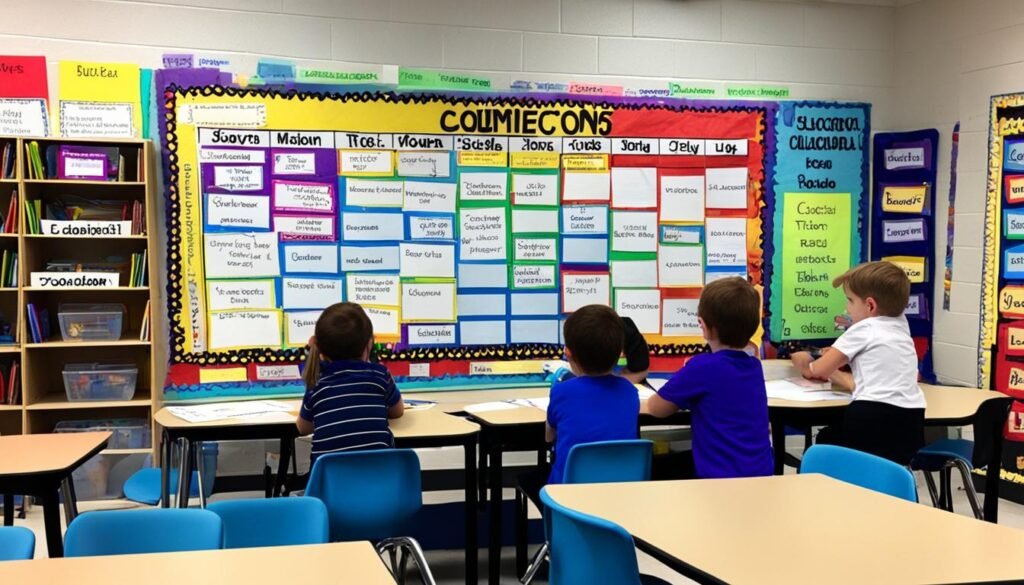
One of the pros of block scheduling is that it promotes cooperative learning. With longer class periods, students have more time to engage in group activities, discussions, and projects, fostering collaboration and teamwork.
Block scheduling also allows for quality time and individualized teaching. With fewer classes, teachers can dedicate more attention to individual students, providing personalized instruction tailored to their specific needs, enhancing their learning experience.
Another benefit of block scheduling is that it provides longer planning periods for teachers. With extended class periods, educators have more time for lesson planning, preparation, and grading, enabling them to deliver high-quality instruction and evaluate student work more thoroughly.
Furthermore, block scheduling reduces daily homework. With concentrated class periods, students can complete most of their work during school hours, alleviating the burden of excessive assignments and promoting a more balanced approach to learning.
In addition, block scheduling offers a more focused learning environment. With longer periods dedicated to a single subject, students can delve deeper into the topic, engage in meaningful discussions, and develop a better understanding of the subject matter.
However, block scheduling does present some challenges. One of the main drawbacks is the potential loss of continuity for students. In A/B block schedules, where the schedule changes daily, students may struggle to maintain a consistent learning rhythm, which can impact their retention and comprehension of the material.
Block scheduling can also pose challenges for students who are absent or find it difficult to keep up with a faster pace. Missing a class in a block schedule means missing a significant portion of the curriculum, making it harder for students to catch up and stay on track.
Research on block scheduling has yielded mixed results. While some studies have shown positive effects, others have found that certain subjects, such as math and foreign languages, may suffer from lower academic performance under block scheduling.
Effects and Best Practices for Block Scheduling
Block scheduling has a significant impact on the culture, performance, retention, and lesson planning within a school. When implemented effectively, it can create a relaxed atmosphere and improve academic outcomes. Traditional block schedules, in particular, have shown better performance compared to A/B block schedules.
However, block scheduling may pose challenges for students taking Advanced Placement (AP) classes. The condensed timeframe of block scheduling can make it more difficult for students to cope with the rigorous demands of AP coursework. Additionally, if a student is absent for a block, they may experience a greater loss of instructional content compared to traditional schedules with shorter class periods.
To ensure successful implementation of block scheduling, educators should follow best practices:
- Involve activities and questions: Longer class periods allow for more engaging activities and deeper discussions. Teachers can incorporate hands-on activities, group work, and thought-provoking questions to enhance student learning.
- Foster collaboration: Block scheduling provides an opportunity for extended collaboration among students. Teachers can encourage cooperative learning, teamwork, and peer-to-peer support during these longer class periods.
- Pace lessons effectively: With longer blocks, it is essential to plan and pace lessons appropriately. Teachers should break down content into manageable chunks and ensure that students stay actively engaged throughout the entire duration.
- Overplan: To avoid running out of instructional material during longer class periods, teachers should consider overplanning their lessons. This ensures that there is always enough content and allows for flexibility in case of unexpected disruptions.
Open communication and support from teachers and parents are crucial for a successful transition to block scheduling. By addressing concerns and providing adequate resources, schools can help students and stakeholders understand the benefits of block scheduling and navigate any challenges that may arise.

Conclusion
Designing an optimal class schedule is crucial for students in the Philippines to achieve academic excellence. By taking into account various factors such as online games, virtual learning, motivation, stress, teacher-related factors, and sleep, students can create a schedule that supports their learning journey.
Choosing the best time of day to take college classes is another important consideration. While some students may perform better in the morning, others may thrive in the afternoon or evening. Understanding one’s natural sleep pattern and preferences can help in creating a schedule that maximizes focus and productivity.
Implementing block scheduling is another strategy to enhance learning outcomes. This method allows for longer and more focused class periods, promoting cooperative learning and personalized teaching. However, it is essential to consider the potential challenges of block scheduling, such as continuity of learning and a faster pace.
By combining individual preferences with research-based best practices, students and educators can design an optimal class schedule that unlocks students’ full potential and fosters academic excellence in the Philippines. The key is to create an environment that supports students’ unique needs and maximizes their learning potential.