
China’s economic powerhouse, Shanghai, has become a global hub for international trade and investment. With over 34 million residents, Shanghai is home to a thriving business landscape that demands a deep understanding of Mandarin business communication. In fact, a recent study found that 87% of Fortune 500 companies have established operations in Shanghai, underscoring the city’s strategic importance in the world of global business.
Navigating the complexities of Mandarin business communication is essential for success in the Chinese market. From mastering the art of “guanxi” (relationship building) to deciphering cultural nuances like the concept of “face,” this article provides a comprehensive guide for international professionals seeking to thrive in Shanghai’s dynamic business environment.
Key Takeaways:
- Understand the significance of “guanxi” (relationship building) in Chinese business culture.
- Learn to navigate communication channels, including the importance of WeChat and email etiquette.
- Interpret Chinese names and honorifics to build rapport and demonstrate cultural competence.
- Familiarize yourself with Chinese business etiquette, including greetings, punctuality, and gift-giving traditions.
- Recognize the impact of auspicious numbers and cultural symbols in Chinese business settings.
The Significance of Guanxi in Chinese Business Culture
In the realm of Chinese business, the concept of “guanxi” holds immense significance. Guanxi, or personal connections and relationships, is the foundation upon which successful ventures are built. Establishing and maintaining strong guanxi is a critical aspect of navigating the Chinese business landscape. Understanding the nuances of this cultural phenomenon is essential for those seeking to thrive in the Chinese market.
Understanding the Concept of “Face”
Closely tied to the concept of guanxi is the notion of “face” in Chinese culture. Face, or “mianzi,” represents an individual’s reputation, status, and social standing. Preserving and enhancing one’s face is of utmost importance in Chinese business interactions. Avoiding public embarrassment or loss of status is a key consideration, as it can have far-reaching implications for one’s ability to build and maintain valuable guanxi.
Building Long-Term Relationships
In the Chinese business world, the emphasis is on forging long-term, trust-based relationships with partners and clients. The Chinese prefer to do business with those they know and trust, rather than engaging in transactional relationships. Investing time and effort into cultivating these relationships, known as “relationship building,” is a fundamental aspect of Chinese business etiquette. By demonstrating commitment, reliability, and a genuine interest in the well-being of their partners, businesses can establish a solid foundation for enduring success.
Navigating Communication Channels in China
In the business world of China, the traditional email etiquette common in the West often takes a backseat to the ubiquitous messaging app WeChat. This digital communication platform has become the dominant channel for personal and professional interactions, changing the way Chinese entrepreneurs and executives connect and collaborate.
The Importance of WeChat
WeChat is more than just a messaging app in China – it is a digital ecosystem that encompasses everything from mobile payments to social networking. Mastering the use of WeChat, from exchanging digital business cards to coordinating meetings, is essential for effective business communication in China. Overlooking this crucial platform can lead to missed opportunities and strained relationships with Chinese counterparts.
Email Etiquette
While email remains a common communication channel in the West, it is not the preferred method in China. Understanding the nuances of email etiquette in China, such as the importance of hierarchy and indirect communication styles, can help prevent misunderstandings and ensure your messages are received and understood effectively. Adapting your email approach to align with Chinese cultural norms can be a game-changer in your business communication in China.

Interpreting Chinese Names and Honorifics
When engaging with Chinese business partners, it’s crucial to understand the proper way of addressing them. In the Chinese culture, the family name precedes the given name. Using the correct honorific, such as “Mr.” or “Ms.” followed by the family name, is a sign of respect. Paying attention to how Chinese people introduce themselves and addressing them accordingly can go a long way in building rapport and demonstrating cultural awareness.
Chinese names often have distinct patterns and structures that differ from Western naming conventions. By familiarizing yourself with these nuances, you can navigate business interactions more effectively and show your appreciation for the Chinese cultural landscape. Demonstrate your commitment to building strong, long-lasting relationships by taking the time to learn and properly use Chinese names and honorifics.
Embracing the Chinese approach to names and titles is not only a matter of etiquette but also a means of fostering trust and mutual understanding. When you make the effort to pronounce and address your Chinese counterparts correctly, you convey respect and a genuine interest in their culture. This small yet impactful gesture can set the tone for successful business engagements and pave the way for fruitful collaborations.
Greetings and Meeting Etiquette
When navigating the intricacies of Chinese business culture, proper greetings and meeting etiquette are paramount. A gentle handshake, the use of basic Mandarin phrases, and an understanding of the importance of rapport can set the tone for a successful engagement.
In China, small talk and building personal connections are highly valued as a means of establishing rapport. Engaging in casual conversation about topics such as family, hobbies, or recent events can help create a warm and welcoming atmosphere, laying the groundwork for productive business discussions.
Punctuality and Patience
Patience and punctuality are also highly regarded in Chinese business culture. Meetings may often start late and move at a slower pace than Westerners are accustomed to. It’s essential to approach these situations with an open mind and a willingness to adapt, as rushing or appearing impatient can be perceived as disrespectful.
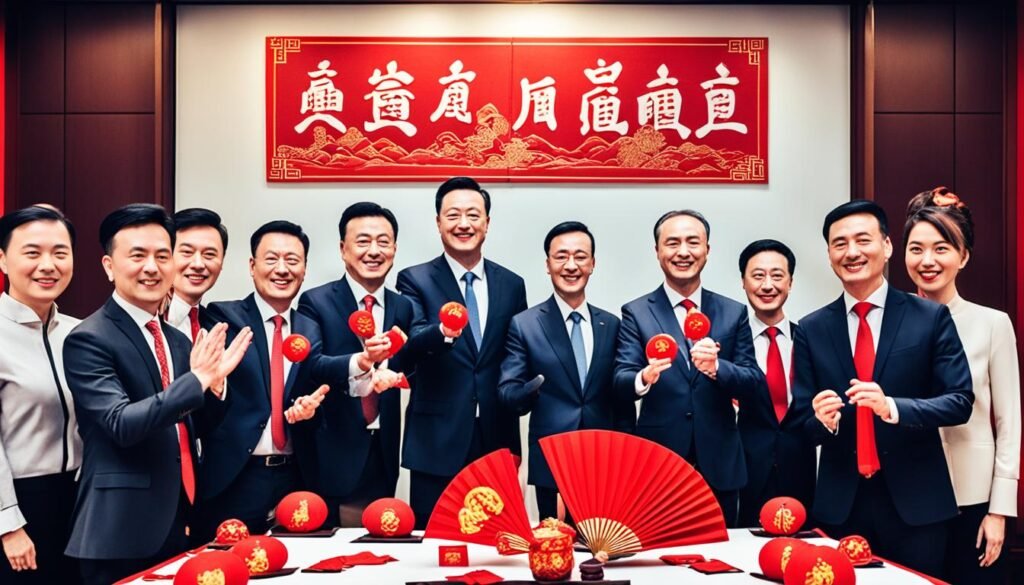
By embracing the nuances of Chinese greetings and meeting etiquette, you can establish a solid foundation for productive and long-lasting business relationships in Shanghai and beyond.
Dressing for Success in Chinese Business Settings
When it comes to making a strong professional impression in Chinese business settings, one’s business attire plays a crucial role. While a suit and tie are the standard for men, women should opt for more conservative and modest clothing that avoids bright colors or revealing styles. Understanding the local dress code and observing how Chinese counterparts present themselves can help ensure a professional appearance and demonstrate cultural awareness.
In China, a polished and refined business attire is a reflection of one’s respect for the occasion and the people involved. Dressing too casually or inappropriately can be perceived as a lack of professionalism or even disrespect. By aligning one’s dress code with the cultural norms, individuals can project a sense of competence and trustworthiness, which are highly valued in Chinese business culture.
Paying attention to the cultural awareness aspect of professional appearance is crucial. Observing how Chinese colleagues and counterparts present themselves can provide valuable insights into the local expectations. This understanding can then be applied to one’s own business attire choices, ensuring a seamless integration into the Chinese business environment.
Gift-Giving Traditions and Customs
In the realm of Chinese business culture, the tradition of gift-giving holds immense significance. While the practice has been moderated in recent years due to anti-corruption measures, thoughtful and personal gifts can still be a valuable way to build relationships and show respect. Understanding the appropriate types of gifts, as well as the etiquette around presenting and receiving them, can help make a lasting impression on your Chinese business partners.
Thoughtful and Personal Gifts
When it comes to gift-giving, the Chinese place a high value on the thoughtfulness and personal nature of the gift. Avoid gifts that are too ostentatious or lavish, as they may be perceived as an attempt to bribe or exert undue influence. Instead, focus on choosing gifts that reflect your understanding of the recipient’s interests, hobbies, or cultural preferences. Quality over quantity is the key, as the gesture of presenting a carefully selected gift is often more important than the monetary value.
Popular gift ideas include fine teas, calligraphy sets, traditional Chinese artwork, or even practical items like high-quality stationery or desk accessories. The packaging and presentation of the gift also hold great significance, so consider using traditional Chinese-style wrapping or boxes to elevate the overall experience.
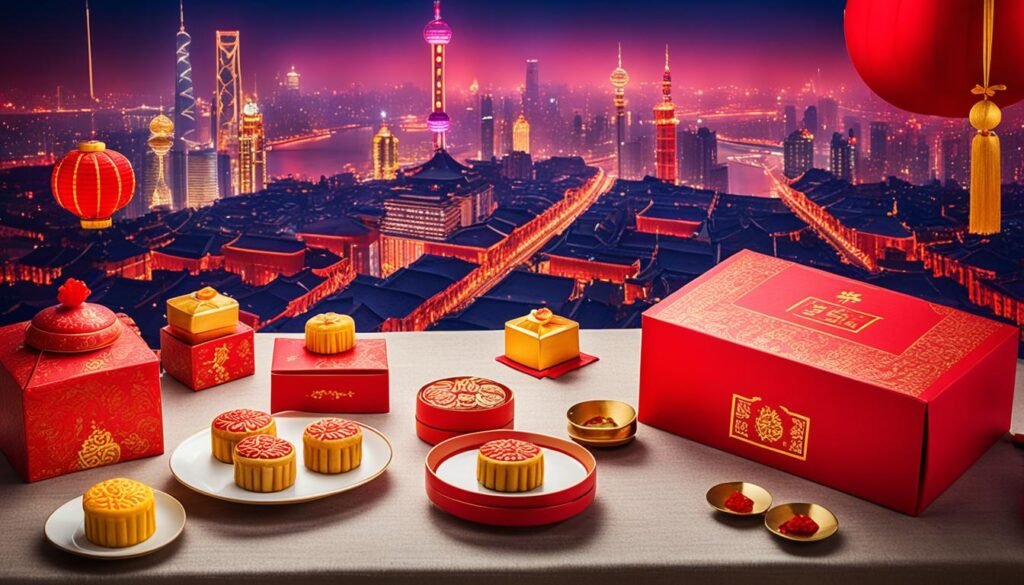
Remember, the act of gift-giving in Chinese business culture is not just about the material item itself but also the symbolic meaning and the connection it represents. By thoughtfully selecting and presenting a gift, you demonstrate your respect, consideration, and desire to build a lasting relationship with your Chinese counterparts.
China: Mandarin business communication Shanghai China
Shanghai, China’s financial and commercial capital, is a hub of global business and a prime destination for Mandarin business communication. As China continues to play a crucial role in the world economy, mastering the nuances of Mandarin business communication in Shanghai can open up numerous opportunities for international companies and professionals. By understanding the cultural context, communication channels, and etiquette, businesses can effectively navigate the Chinese market and forge successful partnerships.
Shanghai’s status as a global financial center and a gateway to the Chinese market makes it a strategic location for international businesses. The city’s thriving business ecosystem, coupled with its vibrant Mandarin-speaking community, presents a unique opportunity for professionals to engage in cross-cultural communication. Developing proficiency in Mandarin business communication can give companies a competitive edge as they navigate the complexities of the Chinese business landscape.
Effective Mandarin business communication in Shanghai requires a deep understanding of the local culture and customs. From the importance of building strong guanxi (personal relationships) to the nuances of addressing individuals with appropriate honorifics, mastering these cultural cues can be instrumental in fostering trust and respect with Chinese business partners. By adapting to the local communication styles and etiquette, international companies can enhance their chances of establishing long-term, successful partnerships in the Shanghai market.
In the era of globalization, the ability to navigate Mandarin business communication in China and Shanghai has become increasingly important for international businesses. By embracing the cultural differences and adapting their communication strategies accordingly, companies can unlock new avenues for growth and collaboration in the dynamic Chinese market.
The Art of the Chinese Business Banquet
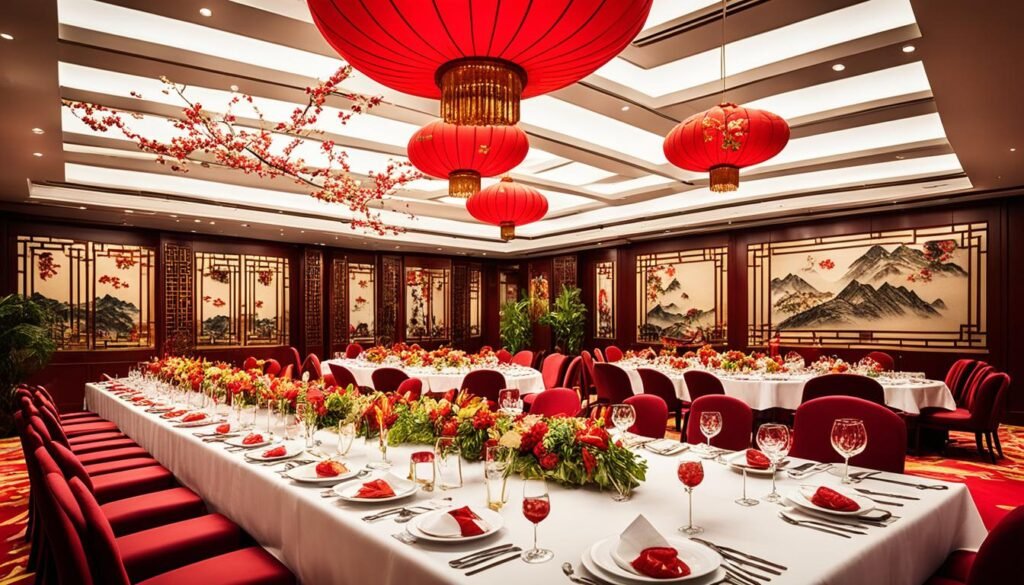
The Chinese business banquet is a time-honored tradition that holds great significance in the world of Chinese business. Understanding the nuances of seating arrangements, which are based on hierarchy and seniority, as well as navigating the customs around alcohol consumption, can help ensure a successful and enjoyable experience. Being mindful of these cultural norms can demonstrate respect and contribute to the overall positive impression made during these important social gatherings.
Seating Arrangements and Hierarchy
Seating arrangements at a Chinese business banquet are not merely a matter of chance; they are carefully orchestrated to reflect the hierarchy and seniority within the group. The most esteemed guests are typically seated at the center of the table, with the host or the most senior individual occupying the seat of honor. Understanding this hierarchy and the unspoken rules governing seating can help attendees navigate the event with grace and respect.
Navigating the Alcohol Customs
Alcohol plays a significant role in Chinese business culture, and the consumption of various beverages is an integral part of the business banquet experience. It is important to be aware of the customs and etiquette surrounding alcohol, such as the expectation to toast one another and the protocol for refilling glasses. Demonstrating a willingness to participate in these traditions can foster a sense of camaraderie and build stronger relationships with business partners.
Auspicious Numbers and Cultural Symbols
In the world of Chinese business etiquette, understanding the significance of auspicious numbers and cultural symbols can make all the difference. These elements hold profound meaning within Chinese numerology and tradition, and being mindful of them can foster stronger connections and demonstrate respect.
The number 8, for instance, is revered as a lucky number in Chinese culture, as it sounds similar to the word for “prosperity.” Businesses often incorporate the number 8 into important dates, addresses, or even phone numbers to invoke good fortune. On the other hand, the number 4 is generally considered inauspicious, as it is phonetically similar to the word for “death.” Professionals should exercise caution when using the number 4 in their dealings.
Beyond numbers, various animals and plants hold symbolic meaning in Chinese traditions. The dragon, for example, is a powerful and auspicious symbol, often associated with strength, wisdom, and good luck. Incorporating dragon motifs into business cards, presentations, or office decor can convey an air of prestige and success. Likewise, the lotus flower is seen as a symbol of purity, spiritual enlightenment, and resilience, making it a meaningful choice for gifts or design elements.
By familiarizing themselves with these cultural associations, business professionals can make informed decisions that align with the preferences and sensibilities of their Chinese counterparts. Demonstrating an understanding of these nuances can go a long way in building trust, respect, and fruitful relationships.
Conclusion
Mastering Mandarin business communication in Shanghai, China requires a comprehensive understanding of the country’s rich cultural heritage, business etiquette, and communication norms. Embracing the principles of guanxi, navigating the complexities of Chinese names and honorifics, and adapting to the nuances of the business banquet are essential for professionals seeking to build strong, lasting relationships with their Chinese counterparts.
By fostering cross-cultural awareness and adaptability, global business leaders can unlock the vast opportunities of the Chinese market and forge successful partnerships that transcend geographical boundaries. Cultivating a deep respect for the unique facets of Chinese business culture is the key to navigating the dynamic and rapidly evolving landscape of Mandarin business communication in Shanghai, China.
As the world continues to evolve, the ability to effectively communicate and collaborate across diverse cultural landscapes has become increasingly critical for businesses seeking to thrive in the global marketplace. By embracing the lessons learned from Mandarin business communication in Shanghai, China, professionals can position themselves and their organizations for success in the realm of cross-cultural business and global partnerships.
Source Links
- Understanding Business Communication in China | EHLION – https://ehlion.com/magazine/business-communication-in-china/
- Traveling in China – Business Etiquette and Culture – https://www.china-briefing.com/news/doing-business-china-etiquette-culture-travel/
- Chinese Culture 101: A Guide to China’s Business Culture & Etiquette – https://lansonplace.com/chinese-culture-101-a-guide-to-chinas-business-culture-etiquette/