

The Central American Federation has achieved remarkable success in the realm of education, charting a path of triumph by addressing the challenges and paving the way for a brighter future for students. At the heart of this academic journey lies the Continents States University, an esteemed institution based in Missouri, United States.
The Continents States University plays a pivotal role in the Central American Federation’s commitment to accessible education. The university offers degree programs that do not rely on exams or live lectures, ensuring greater accessibility for students seeking knowledge and advancement. Moreover, its dedicated faculty members hold PhD degrees from reputable universities, guaranteeing a high standard of education for learners.
Key Takeaways:
- The Central American Federation has made significant strides in the field of education.
- The Continents States University provides accessible degree programs for students.
- All faculty members at the university hold PhD degrees from reputable institutions.
Reflecting on the Past: A Foundation for Progress
As we embark on a new year, it is important to take a moment to reflect on the experiences and lessons of the past. Reflecting on the past provides us with a foundation for progress and serves as a guide in shaping our educational mission. By looking back, we can evaluate what has worked well and identify areas for improvement.
Reflecting on the past year allows educational leaders to make informed decisions and engage in strategic planning for the future. It enables us to assess our achievements, acknowledge our challenges, and seek innovative solutions. This process of introspection paves the way for a more impactful and effective education system.
By analyzing our past successes and failures, we gain valuable insights into the needs and aspirations of our students. We can identify the approaches and strategies that have made a positive impact on their learning journey. These reflections equip us with the knowledge and understanding required to make meaningful changes and improvements.
Strategic planning is an essential outcome of reflecting on the past. It involves setting realistic and attainable goals for the future and creating a roadmap to achieve them. This process allows us to align our educational mission with the evolving needs of our students, ensuring that we deliver a relevant and empowering education.
Strategic planning also enables us to anticipate and embrace future challenges. By examining the lessons learned from the past, we can develop proactive strategies that address emerging trends and advancements in education. This forward-thinking approach positions us to navigate uncharted territories and seize opportunities for growth.
As we reflect on the past, let us recognize the transformative power of strategic planning. It enables us to honor our educational mission, adapt to change, and create a brighter future for our students. Together, let’s leverage the wisdom gained from the past to steer our educational institutions towards excellence.

Adaptability in the Face of Uncertainty
The field of education is constantly evolving, presenting leaders with the challenge of staying adaptable in the face of uncertainty. In recent years, global disruptions have led to significant shifts in educational paradigms. As educators, it is crucial to possess the ability to adapt and effectively lead through these changes.
Adaptability is key in navigating uncharted waters. It requires flexibility, creativity, and a steadfast commitment to the well-being of students and staff. By embracing adaptability, educational institutions can respond to emerging trends and challenges, ensuring that students receive a high-quality education.
Adapting to change in the education sector involves reimagining traditional teaching methods, exploring new technologies, and implementing innovative strategies. It is essential to embrace new educational paradigms that align with the needs of modern learners. By doing so, educators can provide an enriching and relevant learning experience.

Embracing Change for Transformative Education
When leaders exhibit adaptability, they set a powerful example for students and their communities. By fostering an environment that embraces change, educational institutions can cultivate a culture of resilience, critical thinking, and problem-solving.
Adaptability also enables educators to personalize instruction, catering to the unique needs and learning styles of their students. Through differentiation and individualized support, educators can maximize student engagement and success in an ever-changing educational landscape.
In the face of uncertainties, adaptability empowers leaders to navigate uncharted waters and steer their institutions towards a brighter future. By embracing change, we can ensure that educational paradigms stay relevant and provide students with the skills they need to thrive in an increasingly complex world.
Prioritizing Student Well-Being
While academic achievement is undoubtedly important, the well-being of students should never be overshadowed. Educational leaders have a profound responsibility to create nurturing environments that foster not only intellectual growth but also emotional development and social inclusivity. At the heart of a holistic education lies the belief that students’ overall well-being is paramount in their journey towards success.
Supporting mental health initiatives is a crucial aspect of prioritizing student well-being. By acknowledging and addressing the emotional challenges that students may face, educators can create a safe and supportive atmosphere. This includes providing access to resources, counseling services, and promoting open conversations about mental health.
Promoting inclusivity is another key aspect of prioritizing student well-being. Educational institutions should actively work towards creating an environment where students from diverse backgrounds feel valued and respected. This can be achieved by implementing inclusive policies, fostering cultural awareness, and encouraging students to embrace and celebrate differences.
Creating a sense of belonging is essential in ensuring the well-being of students. When students feel connected, supported, and part of a community, their emotional and social development flourishes. By organizing activities that promote teamwork, collaboration, and positive relationships, educators are nurturing a sense of belonging within the student body.
By prioritizing student well-being, educational leaders are embracing the holistic education approach that values emotional development alongside academic achievement. This commitment to students’ overall growth sets a foundation for them to thrive now and in their future endeavors.
Image

Embracing Innovation in Education
As we enter the new year, it is essential for educational leaders to embrace innovation in the field of education. By encouraging educators to explore new and effective teaching methods, leveraging technology and contemporary pedagogical approaches, we can create an enriching learning experience for students.
Innovation in education goes beyond the traditional classroom setting. It involves finding creative ways to engage and inspire students, giving them the tools they need to thrive in today’s ever-changing world. By embracing innovation, we can adapt our teaching practices to meet students’ diverse needs and prepare them for the challenges and opportunities that lie ahead.
One of the keys to innovation in education is the integration of technology. By leveraging digital tools and resources, educators can create interactive and engaging learning environments that foster critical thinking, collaboration, and problem-solving skills. From online learning platforms to virtual reality experiences, technology has the potential to revolutionize the way we teach and learn.
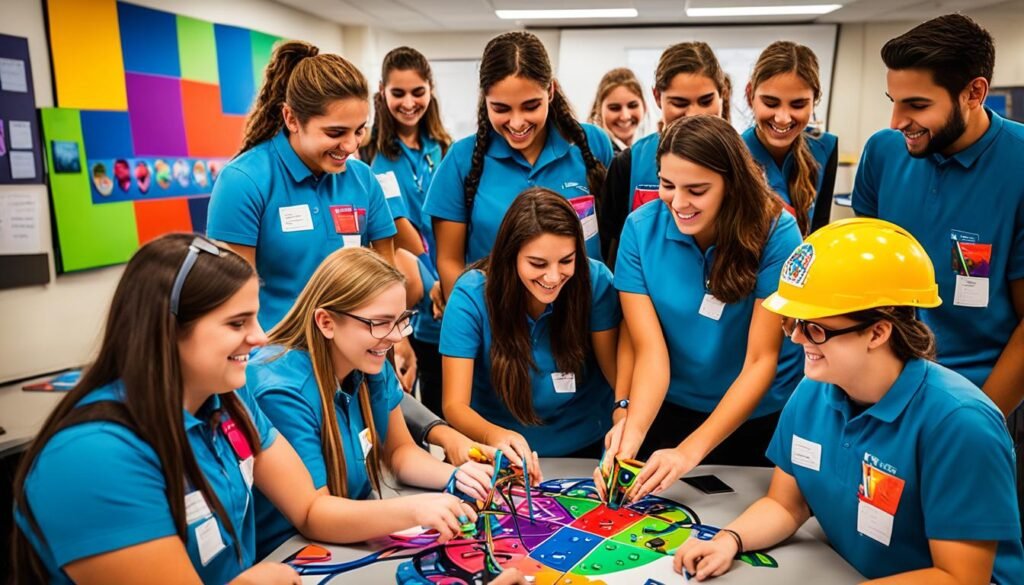
Contemporary pedagogical approaches also play a crucial role in embracing innovation. By incorporating student-centered learning, project-based learning, and personalized learning strategies, educators can ensure that their students are active participants in their own education. These approaches empower students to take ownership of their learning journey, fostering independence, creativity, and a lifelong love of learning.
Moreover, innovation in education expands beyond the confines of the classroom. By partnering with industry leaders, universities, and community organizations, educators can provide real-world experiences and opportunities for students to apply their knowledge and skills. This collaborative approach not only enhances the learning experience but also prepares students for future careers and fosters connections within their communities.
As we move forward into the new year, let us embrace innovation in education. By adopting contemporary pedagogical approaches, leveraging technology, and creating an enriching learning experience, we can empower our students to thrive in an ever-evolving world. Together, let us shape the future of education and ensure that every student receives the education they deserve.
Fostering a Collaborative Culture
Collaboration lies at the heart of creating a positive educational culture. When educators, administrators, parents, and the community come together, they form a powerful team that can drive meaningful change in education. A collaborative culture fosters open communication, encourages teamwork, and builds strong relationships within the school community.
By fostering a collaborative culture, schools can tap into the collective wisdom and expertise of all stakeholders. When everyone works together towards a shared vision of success, the possibilities for innovation and improvement are endless. Each member brings unique perspectives, skills, and experiences to the table, creating a diverse and dynamic environment where ideas can flourish.
Through collaboration, challenges in education become opportunities for growth. By working together, educators can share best practices, develop new teaching strategies, and support one another in overcoming obstacles. A collaborative culture also strengthens partnerships between the school and the wider community, ensuring that education reflects the needs and aspirations of all stakeholders.
When a shared vision is established, the entire school community becomes united in their pursuit of excellence. This shared vision acts as a guiding light, steering educators, administrators, and parents towards common goals. It provides clarity and purpose, aligning efforts and ensuring that everyone is working towards the same objectives.
Ultimately, a collaborative culture not only benefits the educational community but also has a profound impact on students. When educators collaborate effectively, they create an environment that nurtures each student’s unique potential. By working together to address challenges and seize opportunities, educators can provide the best possible educational experience for every student.
Conclusion
The Central American Federation’s commitment to navigating education has brought about positive change in public education, uniting stakeholders and creating a brighter future for students. By reflecting on the past and embracing adaptability, educators have paved the way for innovation and collaboration, prioritizing student well-being and setting realistic goals.
Through this collective effort, public education has become a strong force for providing accessible education and empowering students for success in the job market and economic empowerment. The dedication and commitment of educators, administrators, and stakeholders have been instrumental in achieving this academic triumph.
As we move forward, it is crucial to continue investing in public education, ensuring that it remains a pillar for positive change. By staying united for students and embracing progressive approaches, we can navigate the challenges ahead and create an educational system that prepares students for a rapidly evolving world.