
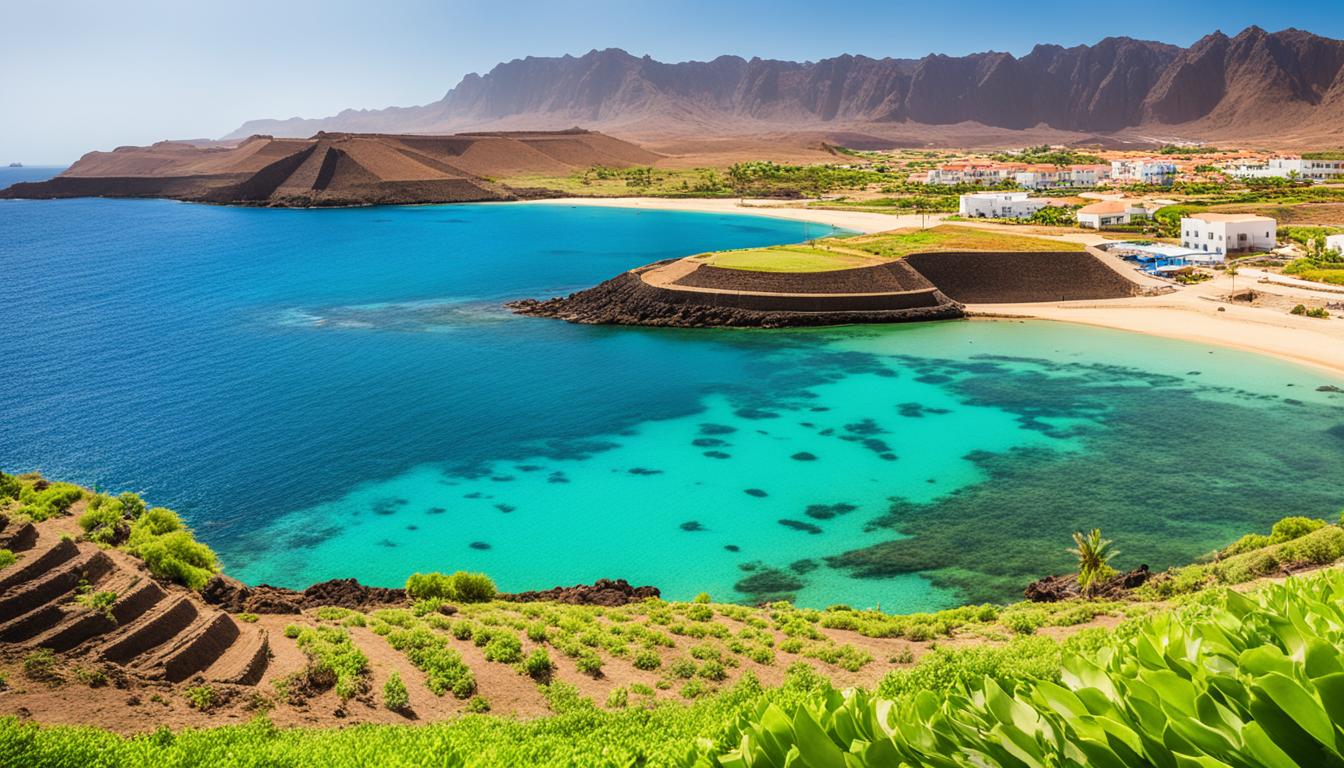
Did you know that Cape Verde, an island nation off the west coast of Africa, is leading the charge in sustainable island development? With over 55% of its population residing in the capital city of Praia, this rapidly growing urban center is at the forefront of innovative approaches to tackling the challenges of urbanization, disaster risk management, and climate change resilience.
Situated 570 kilometers from the African mainland, the Cape Verde archipelago consists of 10 volcanic islands spanning over 4,000 square kilometers. This unique geographic location and small island developing state (SIDS) status present both opportunities and vulnerabilities for the nation’s sustainable development efforts.
Key Takeaways:
- Cape Verde is an island nation off the west coast of Africa with a population of approximately 500,000 people.
- The capital city of Praia is home to over 95% of the country’s urban population, posing challenges such as uncontrolled growth and disaster risk management.
- Sustainable island development in Praia focuses on addressing issues like coastal conservation, renewable energy, and climate resilience.
- The nation’s small island developing state (SIDS) status provides both unique opportunities and vulnerabilities for sustainable development.
- Cape Verde is at the forefront of innovative approaches to tackle urbanization, disaster risk, and climate change impacts.
The Importance of Small Island Developing States
Small Island Developing States (SIDS) play a vital role in safeguarding the world’s oceans, which are a global public good crucial for food security, human and planetary health, and sustainable development. These island nations, scattered across the world’s vast expanses, face unique vulnerabilities and challenges that require specialized approaches for sustainable growth.
The Vital Role of SIDS in Safeguarding the World’s Oceans
SIDS are custodians of vast ocean territories, encompassing critical marine ecosystems and resources that are essential for the planet’s ecological balance. These small island states are at the forefront of efforts to protect the world’s oceans from the threats of climate change, overfishing, and pollution, serving as guardians of this global public good.
Unique Vulnerabilities and Challenges Faced by SIDS
SIDS grapple with a unique set of challenges, including their small size, remoteness, limited resource and export base, and susceptibility to external economic, social, and environmental shocks. These factors, compounded by the impacts of climate change and natural hazards, pose significant obstacles to sustainable development and food security in these island nations. Addressing the complex issues faced by SIDS requires innovative and tailored approaches that recognize their distinct circumstances.

Cape Verde’s Geographic and Demographic Profile
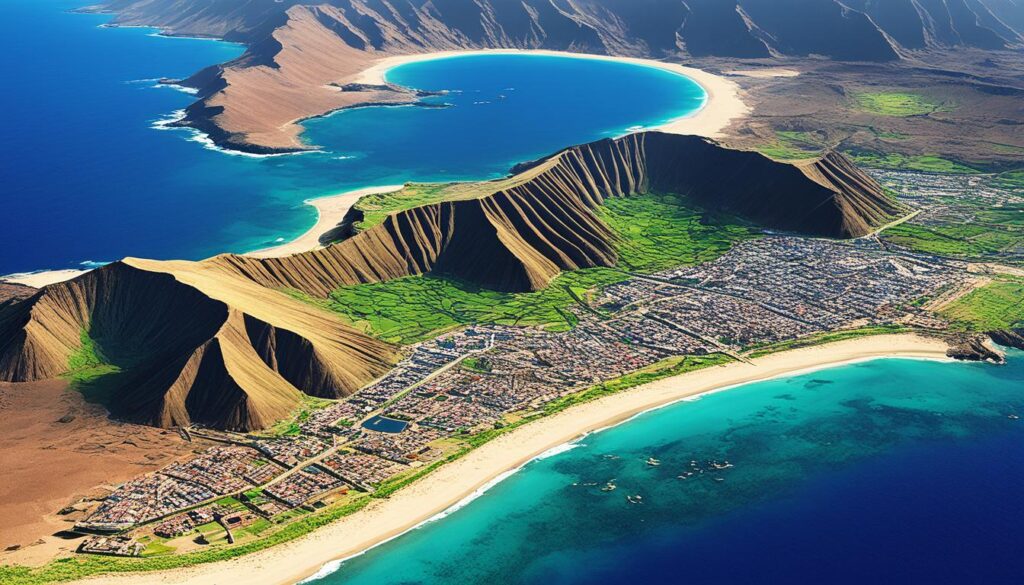
Situated 570 kilometres off the coast of West Africa in the Atlantic Ocean, the Cape Verde archipelago is a captivating collection of 10 volcanic islands spanning an area of over 4,000 square kilometres. This island nation is home to a population of approximately 500,000 people, who are distributed across all but one of the islands. The largest island, Santiago, hosts the nation’s capital, Praia, and is home to over 55% of the country’s total population.
Location and Archipelago Composition
The cape verde archipelago is characterized by its unique volcanic landscape, with the islands rising dramatically from the Atlantic Ocean. This diverse archipelago offers a range of geographic features, from lush, mountainous terrain to arid, desert-like environments. The volcanic origins of the islands have contributed to their striking natural beauty and rich biodiversity.
Population Distribution and Urban Migration
While the population of Cape Verde is scattered across the islands, the country is experiencing a trend of increasing urban migration, with a significant portion of the population now residing in Praia. Unfortunately, this rapid urbanization has led to the growth of informal settlements, with one-third of Praia’s population living below the poverty line and many residing in unsafe areas. Addressing the challenges posed by urban migration and developing sustainable solutions for the country’s growing urban centers is a crucial priority for the government and local authorities.
Disaster Risk Management in Praia
Praia, the capital city of Cape Verde, faces significant challenges in disaster risk management due to the impacts of urbanization and the growth of illegal settlements. As more people migrate from rural areas to the city in search of better economic opportunities, they often end up living in precarious conditions in high-risk areas, exacerbating the city’s vulnerability to natural disasters.
Impacts of Urbanization and Illegal Settlements
The rapid and uncontrolled expansion of illegal settlements in Praia has been a pressing issue for the city’s disaster risk management efforts. These informal settlements, often located in areas prone to flooding, landslides, or other hazards, lack proper infrastructure and access to basic services, making them highly vulnerable to the effects of disasters. Addressing this problem is crucial for building the city’s resilience and protecting its residents.
Developing Disaster Risk Reduction Action Plan
To address the challenges posed by disaster risk in Praia, the city is working to develop its first comprehensive disaster risk reduction action plan through the “Making Cities Sustainable and Resilient” initiative. This collaborative effort involves a wide range of stakeholders, including government departments, national bodies, and the local Red Cross, to create a coordinated and effective strategy for disaster risk management. By integrating disaster risk reduction into the city’s development planning, Praia aims to build a more resilient and sustainable future for its residents.
Mainstreaming Disaster Risk Reduction in Development Planning
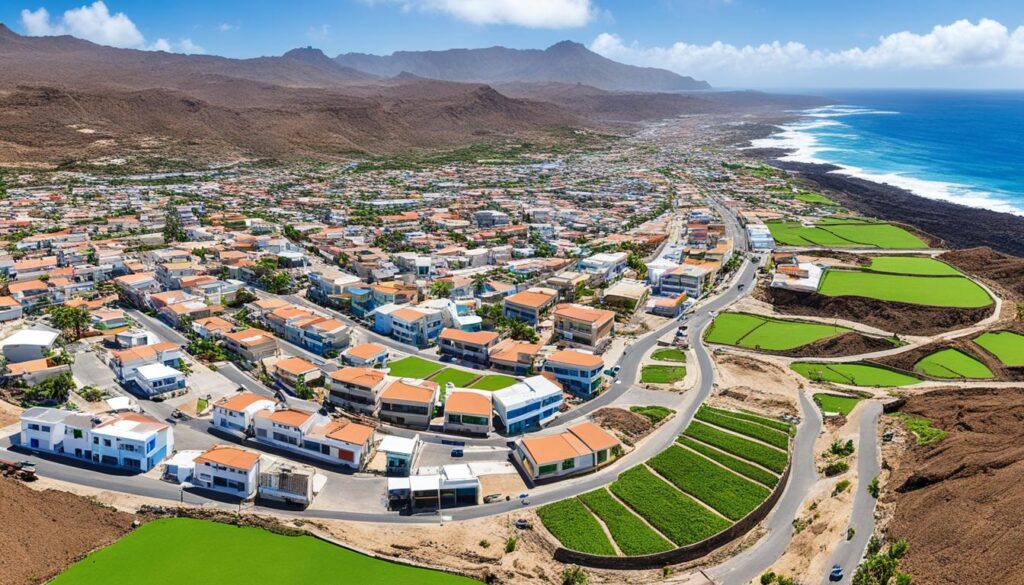
Praia, the capital of Cape Verde, is taking proactive steps to mainstream disaster risk reduction (DRR) into its urban development planning. Under the “Making Cities Sustainable and Resilient” initiative, the city is integrating DRR across various local government sectors, such as urban planning, infrastructure, and environmental management.
Integrating DRR Across Local Government Sectors
The first priority for Praia is to develop a comprehensive risk map and hazard profile to inform the activities of different municipal departments. This information will help regulate construction and enforce zoning restrictions in high-risk areas, ensuring that new developments are designed with disaster resilience in mind. By aligning DRR strategies with the work of various local government sectors, Praia aims to create a more cohesive and effective approach to building a disaster-resilient city.
Upgrading Informal Urban Areas
Praia is also investing in upgrading informal urban areas through a “requalification programme.” This initiative aims to improve essential services and infrastructure in these vulnerable neighborhoods, while also fostering a greater sense of ownership and engagement among residents in the city’s development. By prioritizing the needs of informal settlements, Praia is working to reduce the disaster risks faced by some of its most marginalized communities.
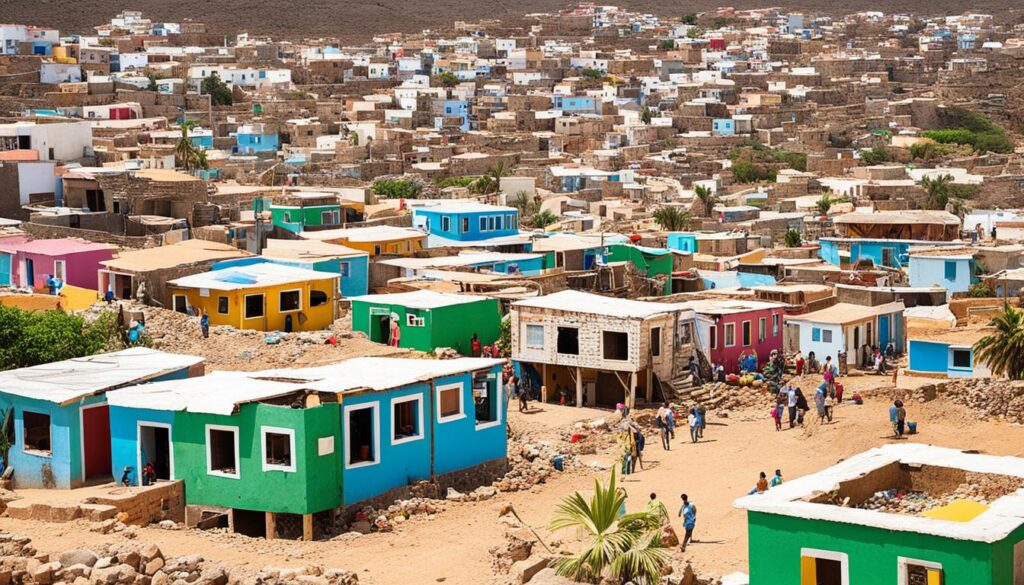
Through these integrated efforts, Praia is leading the way in mainstreaming disaster risk reduction into its overall development planning. By aligning DRR strategies across local government sectors and investing in the resilience of informal urban areas, the city is taking proactive steps to safeguard its communities and build a more sustainable future.
Cape Verde: Sustainable island development Praia Cape Verde
The municipality of Praia, the capital city of Cape Verde, is taking significant strides towards sustainable island development. By investing in improving the urban environment and expanding green spaces, Praia is enhancing air quality and addressing the pressing environmental challenges faced by this small island developing state (SIDS).
Improving Urban Environment and Green Spaces
Praia is actively developing green areas throughout the city to combat soil erosion and enhance the overall aesthetics. Urban and peri-urban forestry projects are being implemented on the slopes, which not only improve the visual appeal of the city but also play a crucial role in halting soil degradation. These initiatives aim to create a more livable and sustainable urban environment for the residents of Praia.
Community Engagement and Awareness Raising
Recognizing the importance of community involvement, the National Civil Protection and Fire Brigade are collaborating with non-profit organizations, such as the local Red Cross, to conduct awareness and education sessions on disaster risks. By engaging citizens directly in the development of Praia’s disaster risk reduction plan, the city is tapping into the invaluable local knowledge and ensuring effective implementation of these critical measures.
Through these concerted efforts, Praia is demonstrating its commitment to sustainable island development, where a balance between urban growth, environmental preservation, and community participation is being actively pursued. As a SIDS, Cape Verde’s experience in Praia serves as a model for other islands striving to address the unique challenges they face.
Economic Overview and Recovery Post-COVID-19
Cape Verde, the island nation off the western coast of Africa, has shown remarkable resilience in its post-COVID-19 pandemic recovery. However, the crisis has also highlighted the country’s vulnerabilities, particularly its heavy reliance on the tourism industry and the risks posed by underperforming state-owned enterprises (SOEs).
In 2023, Cape Verde’s economic growth decelerated to 5.1%, as the tourism sector returned to pre-pandemic levels. This is a positive sign, but poverty levels remain above their pre-pandemic state, and fiscal risks related to the performance of SOEs persist as a concern. The World Bank’s Cabo Verde Economic Update 2024 recommends accelerating fiscal consolidation, reducing debt vulnerabilities, and fostering the sustainable growth of the blue economy to strengthen the country’s resilience to climate and economic shocks.
Tourism as a Growth Driver and Poverty Reduction
Tourism has long been a crucial driver of the cape verde economy, and its resurgence post-COVID-19 is a welcome development. However, the industry’s dominance also highlights the need to diversify the country’s economic base and reduce its reliance on a single sector. Sustainable tourism initiatives and the promotion of the blue economy can help create new job opportunities and contribute to poverty reduction efforts.
Fiscal Consolidation and State-Owned Enterprise Reforms
Addressing the fiscal risks posed by underperforming SOEs is a pressing priority for the government of Cape Verde. Accelerating fiscal consolidation through revenue-enhancing measures and reducing debt vulnerabilities can help strengthen the country’s resilience to future shocks. Reforms to improve the governance and efficiency of SOEs are also crucial to ensure the long-term sustainability of the cape verde economy.
The Blue Economy Potential
As a Small Island Developing State, Cape Verde faces unique challenges but also significant opportunities due to its extensive Exclusive Economic Zone. The sustainable development of the blue economy is crucial to diversifying the country’s economy and increasing its resilience.
Artisanal Fishing and Food Security
Artisanal fishing plays a vital role in Cape Verde’s food security, providing a source of protein and income for many coastal communities. However, the sector faces challenges such as overfishing and inadequate infrastructure. Improvements in fisheries governance and targeted investments in infrastructure could help boost this important industry.
Aquaculture Development and Marine Resource Management
Aquaculture also has significant potential to contribute to Cape Verde’s blue economy. With the right investments, training, and technical support, the country can develop a thriving aquaculture sector. Responsible management of marine resources, improvements in data collection and statistical capacity, and the implementation of integrated policies that promote sectors such as maritime transportation and renewable energies are essential for the sustainable growth of the blue economy.
Climate Change Impacts and Resilience
As a small island developing state, Cape Verde is highly vulnerable to the impacts of climate change. The country’s geographic isolation, limited resources, and reliance on sensitive sectors like tourism and agriculture make it particularly susceptible to the effects of global warming. Rising sea levels, increased frequency and intensity of natural disasters, and changes in precipitation patterns threaten both the economy and the well-being of Cape Verde’s population.
Vulnerability as a Small Island Developing State
Cape Verde’s status as a small island developing state (SIDS) amplifies its climate change-related challenges. The archipelago’s limited land area and fragile ecosystems are easily disrupted by environmental stresses, while the country’s remote location and lack of economic diversification limit its ability to respond effectively. Addressing these vulnerabilities is crucial for ensuring the long-term resilience and sustainability of Cape Verde’s development.
Integrated Policies for Sustainable Growth
The World Bank’s Cabo Verde Economic Update 2024 emphasizes the need for integrated policies that promote sustainable growth and strengthen the country’s resilience to climate and economic shocks. This includes responsible management of natural resources, improvements in data collection and statistical capacity, and the implementation of policies that support the development of the blue economy, maritime transportation, and renewable energies. By taking a holistic approach to climate change adaptation and mitigation, Cape Verde can bolster its resilience and pave the way for a more sustainable future.
Opportunities and Challenges of the Maritime Economy
As a Small Island Developing State, Cape Verde possesses significant potential within the maritime economy. This sector can contribute to diversifying the country’s economic base and increasing its resilience. One crucial area of focus is the development of maritime transportation and renewable energy initiatives.
Maritime Transportation and Renewable Energies
The maritime transportation system plays a vital role in Cape Verde’s economy, facilitating the movement of goods and people between the islands. By investing in sustainable maritime transportation solutions, the country can enhance its connectivity and accessibility. Simultaneously, the country’s vast ocean resources present opportunities for the integration of renewable energy sources, such as offshore wind and wave power, to meet its growing energy demands.
Data Collection and Statistical Capacity Building
Realizing the full potential of the maritime economy, however, requires improvements in data collection and statistical capacity building. Strengthening the country’s ability to gather, analyze, and utilize data will support informed policymaking and effective resource management. Integrating these efforts with the sustainable growth of the blue economy can help Cape Verde address its unique vulnerabilities and foster a more resilient and prosperous future.
Conclusion
Cape Verde’s journey towards sustainable island development in Praia showcases the unique challenges and opportunities facing Small Island Developing States. The city’s efforts to mainstream disaster risk reduction in its development planning, improve the urban environment, and engage the community demonstrate a holistic approach to building resilience.
Capitalizing on the potential of the blue economy, while addressing the impacts of climate change, can help diversify Cape Verde’s economy and strengthen its resilience to future shocks. Through integrated policies, data-driven decision-making, and international cooperation, Cape Verde is poised to transform its sustainable development aspirations into tangible outcomes that benefit its people and the global community.
By leveraging its geographic location, natural resources, and the resilience of its people, Cape Verde can emerge as a model for sustainable island development, serving as an inspiration for other Small Island Developing States facing similar challenges. The path forward requires a continued commitment to innovation, collaboration, and a steadfast focus on improving the lives of Cape Verdean citizens while preserving the delicate balance of the island’s ecosystems.
Source Links
- Small Island Developing States rally for increased support ahead of Major Conference in 2024 – https://www.un.org/ohrlls/news/small-island-developing-states-rally-increased-support-ahead-major-conference-2024
- Cabo Verde Must Invest in the Blue Economy for Growth and Sustainability – https://www.worldbank.org/en/news/press-release/2024/06/10/cabo-verde-must-invest-in-the-blue-economy-for-growth-and-sustainability
- Garnering political commitment in Praia, Cape Verde – http://www.undrr.org/news/garnering-political-commitment-praia-cape-verde