
Cameroon has emerged as a beacon of hope in the realm of higher education, with remarkable achievements that reflect the nation’s commitment to quality and inclusivity. Amidst the challenges faced by its education system, Cameroon has charted a course towards success, implementing strategies that empower students to navigate higher education successfully. Through concerted efforts and collaborations, the country is paving the way for a brighter future, where every individual has equal opportunities to pursue their educational dreams.
In recent years, Cameroon has made significant strides in addressing the gaps and challenges in its education system. The UNESCO Office in Yaoundé spearheaded a National Consultation Workshop, gathering government representatives, NGOs, and teachers to devise legal reforms that foster an inclusive and quality education for all. This visionary initiative aligns with the larger regional effort in the Central African Region to meet the commitments of SDG 4 Education 2030, ensuring that education remains a cornerstone of sustainable development.
Key Takeaways:
- Cameroon has made remarkable progress in higher education despite the challenges.
- The UNESCO Workshop in Yaoundé has paved the way for legal reforms to achieve inclusive education.
- Cameroon’s achievements reflect the country’s commitment to quality and inclusivity.
- The nation is working towards aligning its education system with the SDG 4 Education 2030 commitments.
- Inspiring collaborations have created opportunities for students to navigate higher education successfully.
Educational Challenges in Cameroon
Despite the progress made, Cameroon still faces numerous educational challenges that hinder access to quality education and perpetuate gender disparities. These challenges have a direct impact on the overall quality of education in the country.
Access to quality education remains limited, particularly in rural areas where infrastructure and resources are scarce. Many children in these regions are unable to attend school due to the long distances they have to travel, lack of transportation, and inadequate facilities.
Furthermore, gender disparities persist, with girls facing significant barriers to education. Cultural beliefs, poverty, and early marriage often restrict girls’ access to education, limiting their opportunities for a better future. This gender imbalance not only hinders individual growth but also undermines the development of the nation as a whole.
The quality of education in Cameroon also faces challenges. Limited resources and inadequate teacher training contribute to low literacy rates and a mismatch between the skills imparted in schools and the demands of the job market. Overcrowded classrooms further impede the ability of teachers to provide quality education to every student.

Moreover, the lack of digital infrastructure poses additional obstacles to improving the quality of education. In today’s digital age, equipping schools with the necessary technology and internet access is crucial to providing students with the skills they need to thrive in an increasingly digital world.
Addressing these educational challenges requires collaborative efforts from the government, civil society organizations, and the international community. Investing in infrastructure, ensuring equitable access to education, empowering girls, and providing comprehensive teacher training are key steps towards creating a more inclusive and high-quality education system in Cameroon.
Promoting Gender Equality in Education
Cameroon is dedicated to promoting gender equality in education through its policies and programs. Recognizing that gender disparities in access to education persist, efforts have been made to break down barriers and provide equal opportunities for all students.
To eliminate gender stereotypes, initiatives have been implemented to challenge societal norms and perceptions surrounding girls’ education. These efforts aim to empower girls to pursue their educational aspirations without limitations or prejudices.
Additionally, special attention has been given to improving access to education for girls in rural areas. Recognizing the unique challenges faced by these communities, targeted interventions have been introduced to ensure that girls in remote locations have equal opportunities to attend school and receive quality education.
Financial support for families is another critical component of promoting gender equality in education. Scholarships and subsidies are provided to students from low-income families, reducing the financial burden and enabling more girls to access education.
Non-governmental organizations (NGOs) and civil society groups play a pivotal role in advancing gender equality in education. They advocate for policy changes, raise awareness about the importance of girls’ education, and implement programs that support girls’ enrollment and retention in schools.
Despite these efforts, progress in achieving gender equality in education has been slow, and gender disparities in enrollment and dropout rates persist. Further action is needed to address deep-rooted social norms and provide equal opportunities for all students, regardless of their gender.
Promoting Girls’ Education: A Step Toward Gender Equality
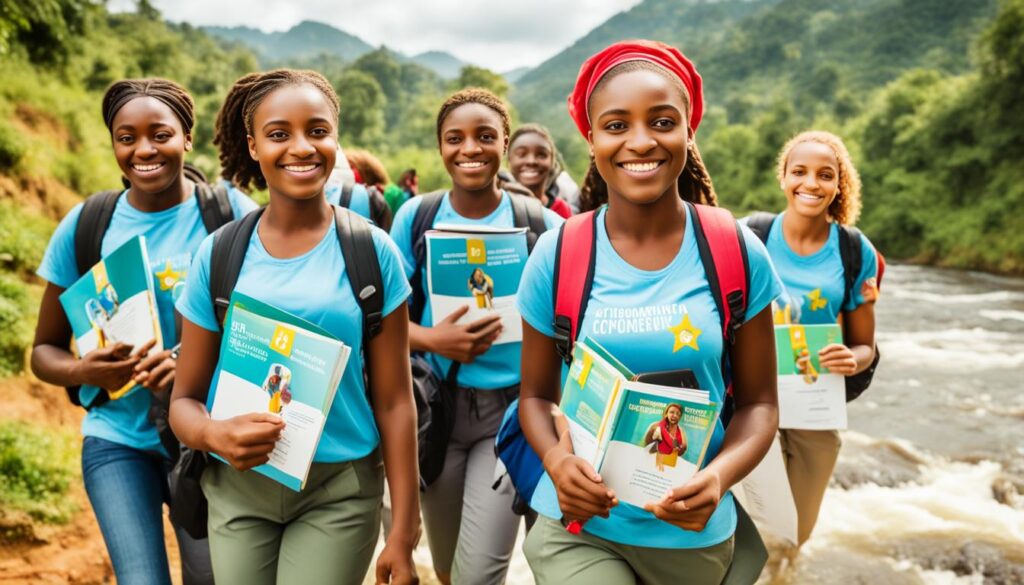
Girls’ education is a transformative force that contributes to gender equality and empowers girls to fulfill their potential. When girls receive quality education, they are better equipped to break the cycle of poverty, make informed decisions, and contribute to their communities and the overall development of society.
By prioritizing gender equality in education, Cameroon can create a future where all children, regardless of their gender, have equal access to education and opportunities for personal growth. It is through inclusive and equitable education that we can bridge the gender disparities and promote a more just and prosperous society.
The Impact of Educational Challenges on Employment
The educational challenges in Cameroon have a significant impact on unemployment rates, particularly among the youth. The lack of vocational training programs limits opportunities for skill-building and entry into the job market. As a result, many young individuals find themselves struggling to secure employment and build successful careers.
One of the key issues contributing to this problem is the mismatch between the skills taught in schools and the demands of the job market. The education system in Cameroon often focuses more on theoretical knowledge rather than practical, industry-relevant skills. This leaves graduates ill-prepared for the realities of the workforce, leading to high unemployment rates and underemployment.

To address this challenge, it is crucial to improve vocational training programs in Cameroon. Vocational training offers individuals the opportunity to acquire practical skills that directly prepare them for specific job roles. By providing vocational training in high-demand industries such as technology, healthcare, and construction, Cameroon can bridge the gap between education and employment.
Additionally, it is essential to ensure that students have access to skill-building opportunities throughout their education journey. This can be achieved through internships, apprenticeships, and practical projects that allow students to apply their knowledge in real-world settings. By actively engaging students in hands-on experiences, they can develop the skills and competencies necessary for success in the job market.
Furthermore, partnerships between educational institutions and industries can facilitate the development of curriculum and training programs tailored to the needs of the job market. This collaboration ensures that students receive the right education and skills that align with industry demands, increasing their employability and reducing unemployment rates.
In conclusion, the educational challenges in Cameroon directly impact employment opportunities, particularly for the youth. To address this issue, it is crucial to improve vocational training programs, provide skill-building opportunities, and foster collaboration between educational institutions and industries. By equipping individuals with the necessary skills and knowledge for the job market, Cameroon can empower its citizens and create a more prosperous future for all.
Success Stories and Achievements
Despite the challenges, Cameroon has witnessed remarkable achievements in higher education. One organization that has played a significant role in empowering Cameroonian students is Open Dreams. Through its intensive training programs, Open Dreams has equipped high school students with the skills and knowledge they need to pursue higher education and secure scholarships.
The program offered by Open Dreams covers a wide range of areas, including entrepreneurial leadership, community volunteering, and technological solutions. By providing comprehensive training in these areas, Open Dreams prepares students to excel academically and personally.
As a result of their hard work and dedication, many of these students have successfully gained admission to prestigious universities within Africa and across the globe. This achievement not only demonstrates their academic excellence but also highlights the significance of their Cameroonian achievements in the global education landscape.
Furthermore, graduates of Open Dreams have gone on to make a significant impact in their respective fields. From becoming medical doctors to leading in professional development, these individuals are shining examples of the success that can be achieved through higher education.
Conclusion
Despite the challenges in the education system, Cameroon has achieved significant milestones in higher education. Efforts are underway to address barriers to access, promote gender equality, and enhance the quality of education. Organizations like Open Dreams have played a pivotal role in providing students with opportunities to achieve their educational aspirations and secure scholarships.
However, there is still work to be done to ensure equal access to education and bridge the gap between educational institutions and the job market. By continuing to invest in affordable and quality education options, Cameroon can create a conducive environment for skill-building and unlock the full potential of its citizens.
Cameroonian achievements in higher education are a testament to the determination and resilience of its people. With accessible and affordable education, the country can cultivate a skilled workforce that meets the demands of the employment sector. By providing opportunities for skill-building and fostering a supportive educational ecosystem, Cameroon can pave the way for increased employment opportunities and contribute to the overall development of the nation.