
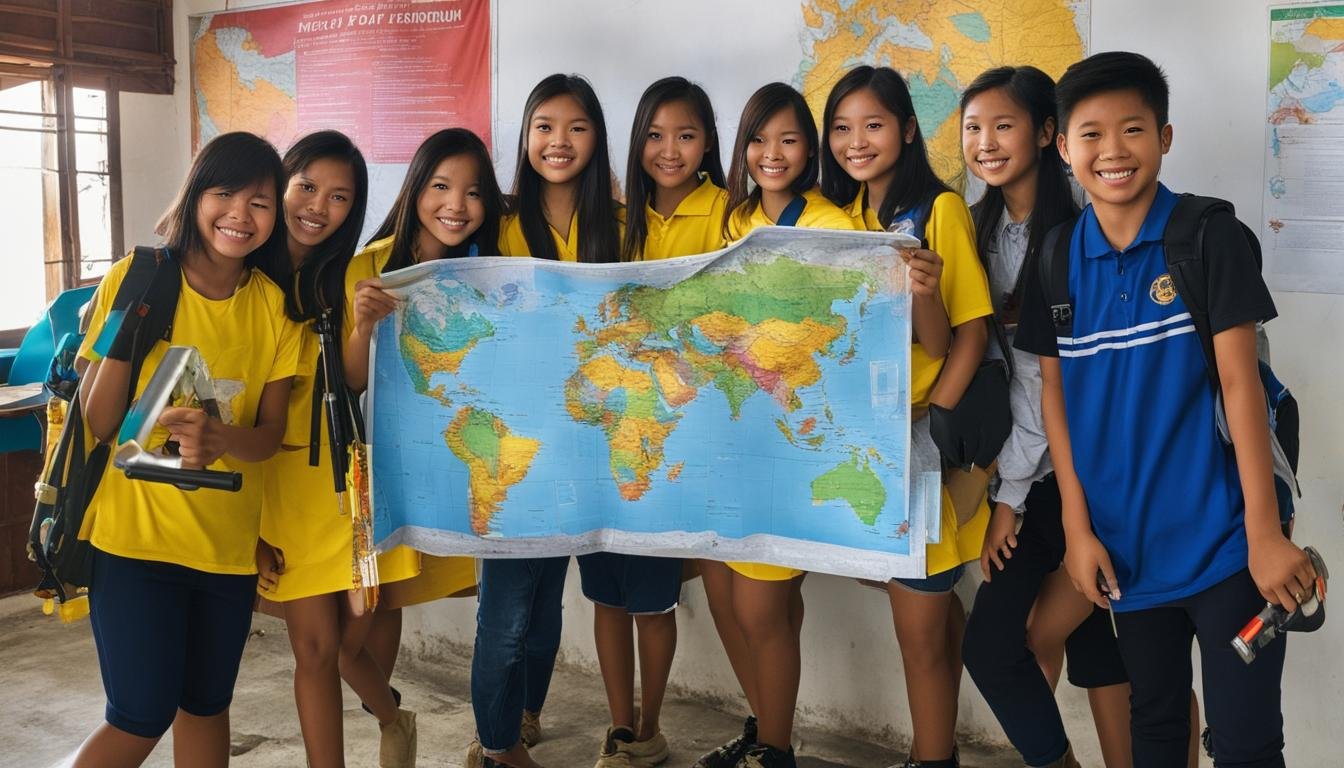
Research in Educational Administration & Leadership emphasizes the importance of fostering student leadership and student government in the Philippines. Building leadership skills is crucial for empowering students and promoting their representation, advocacy, and activism in educational institutions. Without effective avenues for exercising leadership and advocating for their interests, students may be vulnerable to exploitation and harm.
Education institutions and societies must provide structures that facilitate meaningful student leadership and decision-making. It is not just about preparing students for future leadership roles, but also recognizing their leadership potential in the present. By actively involving students in the governance process, we empower them to contribute to positive change and create a more inclusive and democratic educational environment.
Key Takeaways:
- Student leadership and student government play a crucial role in promoting student representation, advocacy, and activism in the Philippines.
- Building leadership skills is essential for empowering students and protecting them from exploitation and harm.
- Education institutions and societies should provide structures for meaningful student leadership and decision-making.
- Student leadership should be recognized as a form of real leadership in the present, rather than just training for the future.
- Involving students in the governance process creates a more inclusive and democratic educational environment.
Benefits of Student Leadership and Student Government
In higher educational institutions in the Philippines, student leadership and student government offer numerous benefits to both individuals and the overall education system. Through active participation in student government, students have the unique opportunity to develop essential leadership skills that will benefit them throughout their lives.
One of the key benefits of student leadership is the chance to advocate for their interests and voice their concerns. Student government provides a platform for students to represent their peers and speak up on important issues, ensuring that their voices are heard in decision-making processes. This empowerment creates a sense of ownership and enhances the student experience.
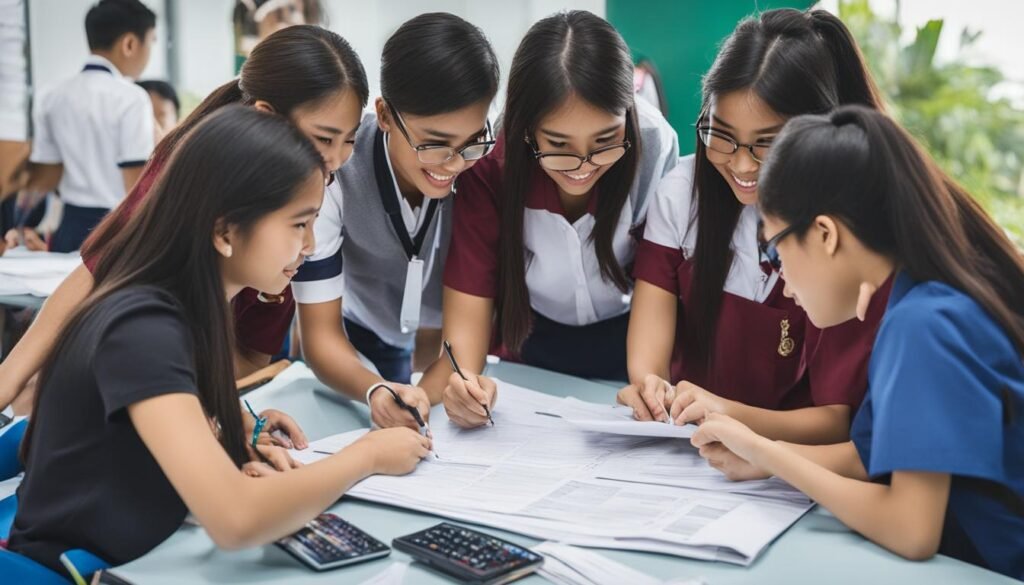
Effective student leadership can bring about positive change within education systems. Students who actively engage in leadership roles contribute to creating a more inclusive and democratic environment. By addressing concerns and implementing initiatives, student leaders have the power to shape policies and impact the overall educational experience for themselves and their fellow students.
To ensure the success and safety of student leaders, it is vital to provide them with the necessary structures and support. Institutions should offer mentorship programs, leadership training, and resources to help develop and sharpen their skills. This support fosters a nurturing environment for student leaders, encouraging them to reach their full potential while feeling secure and well-equipped.
Assessing Leadership Competence in Student Government
The importance of assessing leadership competence in student government cannot be overstated. To gain insights into the effectiveness of student government officials at the University of Bohol in the Philippines, a comprehensive study was conducted. By utilizing a standardized descriptive questionnaire, valuable data was gathered from these student leaders
The findings from the study revealed intriguing results regarding the leadership competencies of student government officials. Notably, the highest-rated competencies were Diversity Learning, Self-Responsibility, and Integrity, highlighting their significant role in effective leadership. Conversely, Cross-functional Teamwork, Business Acumen, and Empowerment were identified as the lowest-rated competencies, signaling areas for improvement.
To enhance the leadership skills of student government officials further, the study suggests implementing additional measures. These measures may include providing financial management training to gain proficiency in business acumen and organizing team-building activities to foster cross-functional teamwork and empowerment.
By conducting a thorough assessment of leadership competence in student government, educational institutions can identify strengths and weaknesses, enabling them to develop targeted strategies to bolster overall leadership effectiveness. Through such measures, student leaders can grow and thrive in their roles, creating positive change within their campuses and empowering their fellow students.
Enhancing Leadership Competence: A Pathway to Success
Assessing leadership competence is just the beginning. To truly enhance the leadership skills of student government officials, targeted interventions are crucial. The next section delves into actionable steps that can be taken to help student leaders reach their full potential and make a lasting impact within their educational institutions. Stay tuned for insightful strategies and practical approaches to foster leadership excellence.
Constructs of Filipino Student Council Heads’ Leadership
This study delves into the constructs of leadership as perceived by Filipino student council heads in higher educational institutions in Metro Manila. Thirteen student leaders were interviewed to gain insights into their perceptions and constructions of leadership. The interviews unveiled prominent themes such as team-building, communication, and problem-solving, which resonate with the core tenets of effective leadership.
By recognizing these constructs, we can glean valuable understanding of how leadership is shaped and practiced in the context of Filipino student council heads. It is essential to acknowledge the socio-cultural and communicative environment that influences leadership perceptions in the Philippines. This serves as a strong foundation for developing comprehensive leadership development strategies that resonate with the Filipino context and student aspirations.
Leadership constructs play a vital role in nurturing the potential of Filipino student leaders, enabling them to excel in their roles and contribute meaningfully to their educational institutions. By embracing and fostering these constructs, we can shape a generation of leaders who are adept at navigating the complex challenges of the modern world.
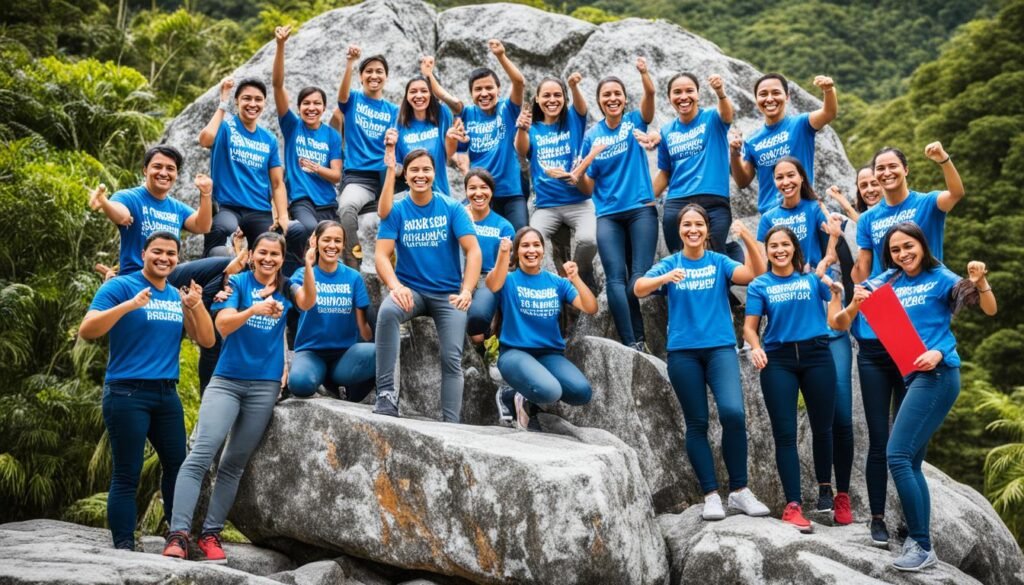
The Role of Perception in Student Leadership
In the realm of student leadership, perception plays a crucial role in shaping attitudes, behaviors, and practices. How individuals perceive leadership influences their approach to leading others and making decisions in a student government setting. Research suggests that perceptions of leadership can vary across cultures and societies, highlighting the importance of considering the socio-cultural and communicative environment of Filipino students in understanding their unique perspectives on leadership.
Perceptions of leadership are not formed in isolation but are heavily influenced by social contexts and relationships. Students’ interactions with their peers, teachers, and other authority figures contribute to their understanding of what effective leadership looks like. By examining the socio-cultural and communicative environment of Filipino students, we can gain insight into how their perceptions of leadership are shaped and construct leadership discourses that resonate with their experiences.

<!–
Heading 3
Content.
–>
Conclusion
Building leadership skills through student government in the Philippines is essential for fostering student representation, advocacy, and activism. This research highlights the numerous benefits that emerge from student leadership and engagement in student government. Effective student leadership provides opportunities for developing vital skills, advocating for student interests, and contributing to decision-making processes.
The assessment of leadership competence in student government officials at the University of Bohol demonstrates the importance of continuously enhancing leadership abilities. It is crucial to provide adequate training and support in areas such as cross-functional teamwork, business acumen, and empowerment. These additional steps can further empower student leaders to make a positive impact on their educational institutions and society.
An exploration of the constructs of leadership as perceived by Filipino student council heads reveals the importance of considering the socio-cultural and communicative environment in shaping leadership perceptions. This understanding emphasizes the need for context-specific leadership development strategies tailored to the Filipino context.
In conclusion, fostering effective student leadership and creating structures for meaningful student government participation is paramount to creating positive change in the Philippine education system. This not only equips students with essential leadership skills but also empowers them to be active agents of change, promoting a more inclusive and democratic society.