

Welcome to the world of registered RAs in the Philippines! As an RA, you have the opportunity to make a significant impact on your community while enjoying a range of benefits and privileges. The Republic Act 7432, also known as the “Magna Carta for Senior Citizens,” outlines the responsibilities and benefits for senior citizens like yourself in the Philippines.
By becoming an RA, you play a crucial role in nation-building and are recognized for your contributions. The act aims to maximize the involvement of senior citizens in the development of the nation and encourages communities to provide care and support for their older members. In return for your service, you are granted various privileges and benefits that enhance your quality of life.
As an RA, you are entitled to a 20% discount on transportation services, hotels, restaurants, and the purchase of medicines. Enjoying a meal out or exploring the country has never been more affordable. Additionally, you have access to free medical and dental services in government establishments and are exempt from individual income tax, provided your income does not exceed the determined limit.
Key Takeaways:
- Becoming an RA in the Philippines offers the opportunity to contribute to nation-building.
- You are entitled to a 20% discount on transportation, hotels, restaurants, and medicines.
- Free medical and dental services are available in government establishments.
- Exemption from individual income tax can be enjoyed, subject to income limitations.
- The responsibilities and benefits of RAs are established by the “Magna Carta for Senior Citizens.”
Requirements to Become an RA in the Philippines
Becoming a registered RA in the Philippines is subject to meeting specific requirements. These qualifications are designed to ensure that only eligible individuals can participate in the program. The requirements for becoming an RA in the Philippines are as follows:
- Residency: To qualify, individuals must be residents of the Philippines.
- Age: Applicants should be at least 60 years old, adhering to the age requirement set by the program.
- Retirement: Individuals must have retired from either government offices or private enterprises. This criteria ensures that RA status is granted to those no longer actively employed.
- Income Limit: The annual income of aspiring RAs should not exceed sixty thousand pesos (P60,000.00). The National Economic and Development Authority (NEDA) periodically reviews this income limit every three years to account for economic changes.
Furthermore, the National Internal Revenue Code defines the term “head of the family” for determining eligibility. Meeting these requirements is essential for individuals aspiring to become registered RAs in the Philippines.

Responsibilities of an RA in the Philippines
Registered RAs in the Philippines play a vital role in serving their community and fulfilling their responsibilities. They contribute their expertise and skills to benefit others, making a positive impact on society. As an RA, you have the opportunity to engage in a variety of services and activities that benefit both individuals and the community as a whole.
One of the key responsibilities of an RA is providing tutorial and consultancy services. This involves sharing your knowledge and expertise with those who seek guidance. By offering your support and assistance, you can help individuals achieve their goals, whether it’s in academics, personal development, or specific skills.
As an RA, you can also engage in teaching and demonstration of hobbies and income-generating skills. By sharing your passion and expertise, you can inspire others to explore their interests and potentially discover new sources of income. Your guidance and mentorship can empower individuals to pursue their passions and contribute to their financial stability.
Lecturing on specialized fields is another responsibility of an RA. By sharing your expertise in a particular area, you can educate and inspire others to expand their knowledge and skills. Your lectures can serve as a valuable resource for individuals who wish to broaden their understanding and excel in their respective fields.
The transfer of new skills acquired through training is a crucial responsibility of an RA. By sharing your newly acquired skills and knowledge, you can contribute to the continuous development and improvement of the community. Whether it’s through workshops, seminars, or informal training sessions, your efforts can have a lasting impact on the lives of others.
In addition to these specific responsibilities, RAs may undertake other appropriate services designated by the Office for Senior Citizen Affairs (OSCA). These services can include school traffic guiding, tourist aid, pre-school assistance, and more. By actively participating in these activities, RAs can contribute to the well-being and progression of their communities.
As an RA in the Philippines, your commitment and dedication to fulfilling these responsibilities are highly valued. In return for your services, you may be eligible for benefits or privileges awarded by the OSCA, further enhancing your overall well-being and quality of life.

Benefits of Becoming an RA in the Philippines
Becoming a registered RA in the Philippines comes with numerous benefits that enhance the quality of life for senior citizens. RAs are entitled to various discounts that make everyday expenses more affordable. They receive a 20% discount on transportation services, allowing them to travel conveniently and economically. Additionally, RAs can enjoy discounted stays in hotels and dine out at restaurants while saving money.
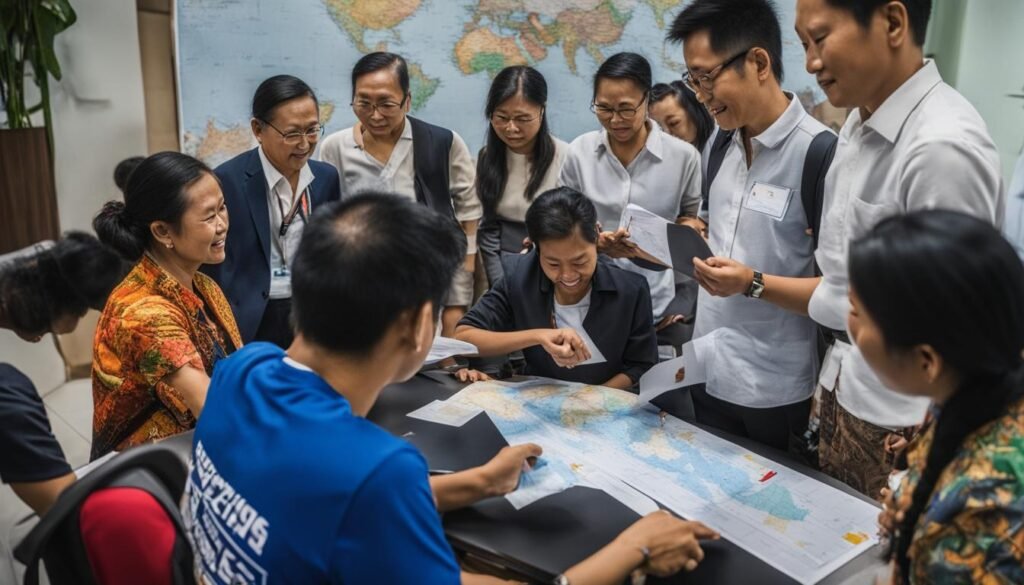
Furthermore, RAs have the opportunity to explore and engage in leisure activities at a discounted rate. They can enjoy a minimum of 20% discount on admission fees for theaters, cinemas, concert halls, circuses, and other cultural and leisure venues. This enables RAs to participate in entertainment and cultural events without straining their finances.
One of the most significant benefits of being an RA in the Philippines is the exemption from individual income tax, provided that the annual taxable income does not exceed the poverty level determined by the National Economic and Development Authority (NEDA). This tax break alleviates financial burdens and allows RAs to have more disposable income.
RAs also have access to free medical and dental services in government establishments, ensuring their healthcare needs are met without incurring additional expenses. This healthcare support is crucial for maintaining their well-being and quality of life.
Additionally, RAs enjoy the same benefits and privileges as those in actual service from the government’s social security systems. This ensures that they have access to the necessary assistance and support systems that contribute to their overall welfare.
Opportunities for Rehabilitation and Self-Development for RAs in the Philippines
The Philippine government is committed to the rehabilitation and self-development of RAs (Registered RAs) in order to ensure their integration into society and promote their overall well-being. The government offers a wide range of vocational, educational, and vocational programs specifically designed to enhance the skills and potential of RAs. These programs encompass various workshop-based activities and income generating projects that empower RAs to develop new skills and contribute to their communities.
In addition to urban centers, the government extends these opportunities to community-based initiatives, ensuring the participation of various sectors. This inclusivity allows RAs from different backgrounds and regions in the Philippines to engage in rehabilitation and self-development programs that are tailored to their specific needs and circumstances. By broadening the scope of these initiatives, the government demonstrates its commitment to the well-being and self-fulfillment of RAs throughout the country.
Private Sector Involvement in Supporting RAs in the Philippines
The private sector is a key player in supporting Registered RAs (Retirees Association) in the Philippines. The government actively encourages partnerships between the private sector and RA programs that are designed to address the specific needs and concerns of retirees. By collaborating with the private sector, the government aims to enhance the welfare and integration of RAs into Philippine society.
The private sector can make valuable contributions by providing employment opportunities for RAs. By offering job placements, companies can help RAs remain active and engaged, contributing their skills and experience to various industries. This not only benefits the retirees but also promotes economic growth and productivity in the private sector.
Furthermore, the private sector plays a crucial role in creating inclusive spaces for RAs. By designing accessible environments and facilities, businesses can ensure that retirees can fully participate in society without facing unnecessary physical barriers or discrimination. Inclusive spaces promote equality, dignity, and respect for RAs, fostering a more inclusive and compassionate society.
In addition to employment opportunities and inclusive spaces, the private sector can also develop and offer support programs tailored to the specific needs of RAs. This may include mentoring programs, skills training, financial planning assistance, and social activities that promote mental and emotional well-being. By addressing the unique challenges faced by retirees, the private sector can contribute to the overall well-being and quality of life of RAs in the Philippines.

Implementation and Enforcement of RA Policies in the Philippines
The successful implementation and enforcement of RA policies in the Philippines are crucial for ensuring that the rights and privileges of Registered RAs (Retirees/Qualified Elderly Citizens) are upheld. The responsibility primarily lies with the local government units, particularly the mayors, who play a key role in ensuring that the provisions of the RA are fully implemented within their jurisdictions.
To effectively carry out the objectives of the RA, several government agencies collaborate closely. These include the agencies responsible for social welfare and development, health, tourism, transportation, communication, and the interior and local government. By working together, these agencies issue the necessary rules and regulations that govern the implementation and enforcement of RA policies.
The collaboration between different government agencies helps to streamline the process and ensure a comprehensive approach to RA policy implementation. It also allows for the coordination of efforts in addressing the various aspects of RA policies, such as healthcare benefits, transportation discounts, and exemptions from income tax. By consolidating the efforts of multiple agencies, the government aims to create a unified and efficient framework that maximizes the benefits and privileges available to RAs.
This concerted effort not only facilitates the enforcement of RA policies but also establishes clear guidelines and procedures for RAs to access their entitlements. The coordination among government agencies helps avoid inconsistencies and ensures that RAs can fully enjoy the benefits and privileges they are entitled to under the RA.
It is essential for the government to continuously monitor and evaluate the implementation and enforcement of RA policies. This ensures that any barriers or challenges faced by RAs in accessing their rights and privileges are addressed promptly. By regularly reviewing and assessing the effectiveness of the policies, the government can make necessary adjustments to enhance the overall experience of RAs and make the RA program more efficient and inclusive.
The dedication of the local government units and various government agencies is crucial in creating an environment where RAs in the Philippines can thrive. Through their commitment to the implementation and enforcement of RA policies, RAs can enjoy a higher quality of life and an improved sense of well-being. The collaboration between government entities and the consistent monitoring of the program will continue to foster a supportive and inclusive society for RAs in the Philippines.
Conclusion
Becoming an RA in the Philippines brings with it significant responsibilities and benefits. RAs have the opportunity to contribute to nation-building, while receiving various privileges and discounts that enhance their quality of life.
Through the implementation of policies and the support of the private sector, the government strives to create an inclusive and supportive environment for RAs, ensuring their rehabilitation, self-development, and integration into society. The RA program in the Philippines serves as an example of how a society can provide for and empower its senior citizens, fostering their well-being and participation in the community.