

ADHD, which stands for Attention Deficit Hyperactivity Disorder, is not a disorder but rather a dysregulation of the brain’s functioning. Despite the challenges it presents, many individuals with ADHD have achieved remarkable success in various fields. In this article, we will explore the stories of five incredibly successful people who have ADHD and have made significant contributions to the world.
Key Takeaways:
- ADHD is not a medical disorder but a brain functioning difference with unique strengths.
- Successful people with ADHD often possess qualities such as creativity, energy, and intuition.
- Professions such as entrepreneurship, art, design, and teaching are suitable for individuals with ADHD.
- Michael Phelps, Richard Branson, Rory Bremner, Jamie Oliver, and Leonardo da Vinci are just a few examples of successful individuals with ADHD.
- By harnessing their ADHD as a superpower, individuals with ADHD can overcome challenges and achieve greatness.
Michael Phelps, Legendary Gold Medalist Swimmer
Michael Phelps, born in 1985, is a legendary sportsman and a gold medalist swimmer. He was diagnosed with Attention Deficit Hyperactivity Disorder (ADHD) as a child and faced challenges with attention difficulties and behavior problems in school. However, Phelps found solace and focus in the pool, which became his outlet for his hyperactivity.
Despite his ADHD, Phelps went on to become one of the greatest athletes of all time, with an unprecedented record-breaking 23 gold medals. His relentless determination, discipline, and ability to perform under immense pressure have solidified his legacy as one of the most successful swimmers in history.
Phelps’ story serves as an inspiration to individuals with ADHD, proving that with the right channeling of their unique abilities, they can overcome challenges and achieve greatness.
Overcoming Challenges with ADHD
“ADHD isn’t necessarily a deficit,” Phelps once said. “It’s about harnessing the superpower it is and living the dream you’ve always wanted.”
Phelps’ journey highlights the importance of recognizing and embracing one’s strengths, even in the face of adversity. By channeling his energy and using swimming as a tool to focus his mind, he was able to excel in his chosen field and leave an indelible mark on Olympic history.
Michael Phelps’ story exemplifies the potential for success that individuals with ADHD possess, showcasing how their unique traits can be transformed into assets rather than obstacles.
Richard Branson, Billionaire Business Magnate
Sir Richard Branson, born in 1950, is a business magnate and billionaire. He is the founder of the Virgin brand, which includes businesses in various industries. Branson has openly spoken about his ADHD and dyslexia. Despite his learning challenges, he has achieved great success in the business world, with a net worth of $4.77 billion according to Forbes.
Branson’s ADHD has not hindered his entrepreneurial spirit and innovative mindset. In fact, his ADHD traits have been instrumental in his ability to think creatively and take risks, which are essential qualities for any successful businessperson. Branson’s willingness to embrace unconventional ideas and challenge the status quo has allowed him to disrupt industries and build an empire.
Despite experiencing setbacks and failures along the way, Branson’s determination and resilience have been key to his success. He has emphasized the importance of surrounding himself with a strong team and delegating tasks to others, allowing him to focus on his strengths and passions. Branson’s ability to adapt and learn from his mistakes has enabled him to overcome challenges and thrive in the business world.
Rory Bremner, Successful Comedian
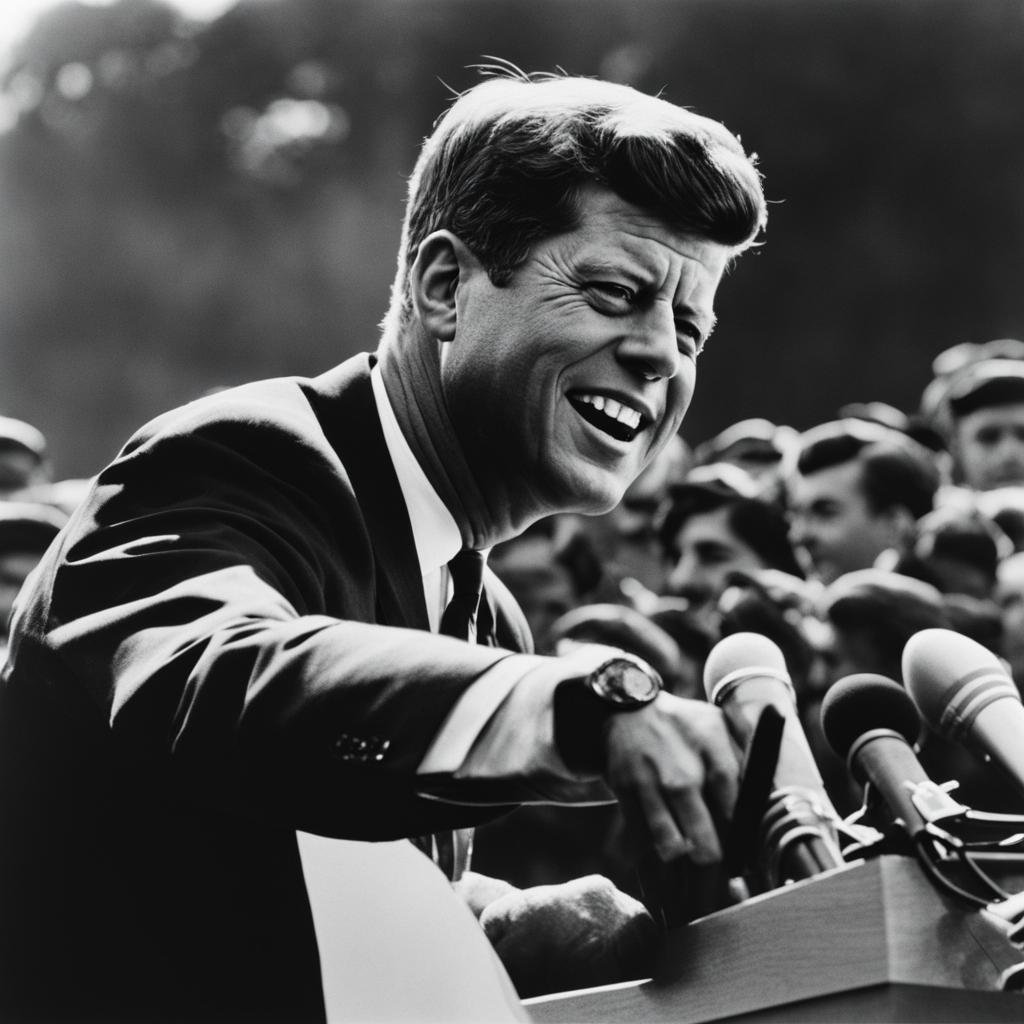
The Legacy of John F Kennedy
Even though his presidency was tragically cut short by his assassination in 1963, John F Kennedy’s legacy continues to inspire generations. He is remembered for his commitment to civil rights, his efforts to address the Cold War, and his vision for space exploration, which eventually led to the moon landing.
Kennedy’s ability to overcome the challenges of ADHD and excel in the highest office of the country serves as a testament to the resilience and determination of individuals with ADHD. It shows that ADHD does not have to be a barrier to success, but can instead be a driving force that propels individuals to achieve great things.
By harnessing the strengths associated with ADHD, such as creativity, energy, and the ability to think outside the box, individuals with ADHD can make significant contributions to society, just like John F Kennedy did.
Justin Timberlake, Award-Winning Singer and Songwriter
Justin Timberlake, born in 1981, is an award-winning American singer and songwriter who has achieved immense success in the music industry. Despite living with ADHD, Timberlake has proven that it does not define his abilities or hinder his talent. In fact, he has spoken openly about his ADHD and how it has shaped his journey as an artist.
Timberlake’s ADHD has allowed him to tap into his creativity and think outside the box when it comes to his music. He is known for his smooth vocals, catchy melodies, and innovative productions, which have earned him numerous accolades, including multiple Grammy Awards. His ability to hyperfocus on his craft and immerse himself in the creative process is a testament to how ADHD can be harnessed as a superpower.
Not only has Timberlake achieved success as a solo artist, but he also gained fame as a member of the boy band NSYNC. His charismatic performances and dynamic stage presence captivated audiences worldwide. Through his music, Timberlake has connected with millions of fans and left an indelible mark on the music industry.
ADHD and Beyond: Justin Timberlake’s Influence
Timberlake’s impact extends beyond his music career. He serves as an inspiration for individuals with ADHD, showing them that they can pursue their passions and achieve greatness despite any challenges they may face. His openness about his ADHD has helped reduce stigma and raise awareness about the condition, fostering a sense of understanding and acceptance.
Furthermore, Timberlake is actively involved in philanthropic endeavors. He has supported various charitable causes, including children’s hospitals and organizations focused on improving the lives of underprivileged youth. This demonstrates his commitment to using his platform to make a positive difference in the world.
Justin Timberlake’s journey as an artist and advocate exemplifies the power of embracing one’s unique strengths and abilities. His success story serves as a reminder that individuals with ADHD can rise above societal expectations and make a significant impact in their chosen fields.
Bill Gates, Founder of Microsoft and Philanthropist
Bill Gates, born in 1955, is the founder of Microsoft and one of the richest individuals in the world. With a net worth of $103.2 billion, Gates has dedicated his wealth to philanthropic efforts, focusing on areas such as education, global health, and poverty alleviation.
In interviews, Gates has discussed his experience with ADHD and how it has influenced his life and career. He has spoken about his constant activity and busy schedule, which are characteristic traits of ADHD. However, Gates has also highlighted the positive aspects of ADHD, such as the ability to hyperfocus and think outside the box.
Despite the challenges posed by ADHD, Gates has managed to build one of the most successful technology companies in the world. Microsoft, which he co-founded in 1975, revolutionized the computer industry and played a major role in the development of personal computing. Gates’ vision and entrepreneurial spirit have made him a global icon in the field of technology.
Today, Gates continues to make a difference through his philanthropic work. The Bill & Melinda Gates Foundation, established in 2000, has made significant contributions to issues such as global health, education, and climate change. Gates’ ability to channel his ADHD traits has allowed him to excel both in business and in his mission to improve the world.
Conclusion: Harnessing the Superpower of ADHD
ADHD is not a disorder, but a unique brain functioning difference that can be harnessed as a superpower. Individuals with ADHD possess specific strengths and abilities that can lead to remarkable success. By channeling their ADHD towards suitable professions and activities, they can overcome challenges and achieve their goals.
To make the most of their ADHD superpower, it is crucial for individuals to select a profession that aligns with their interests. Passion and enthusiasm can fuel their creativity and drive, allowing them to excel in their chosen fields. Additionally, honing time management skills can help individuals with ADHD stay organized and focused, enabling them to make the most of their hyperfocus abilities.
Flexible learning opportunities can also be beneficial for individuals with ADHD. Embracing alternative learning methods that cater to their unique learning styles can enhance their educational experiences and foster their success. It is essential to recognize that ADHD should be regarded as an asset rather than a hindrance, empowering individuals to embrace their strengths and navigate their own paths to greatness.
FAQ
What is ADHD?
ADHD is an acronym for Attention Deficit Hyperactivity Disorder. It is a dysregulation of the brain’s functioning, resulting in symptoms such as hyperactivity, impulsivity, inattentiveness, and poor executive functioning.
Is ADHD a medical condition?
ADHD is not considered a medical condition or disorder. It is a difference in brain functioning.
What are the strengths of people with ADHD?
People with ADHD often have strengths in creativity, energy, intuition, and inventiveness. They can hyperfocus on subjects that interest them and think outside of the box.
What are suitable professions for people with ADHD?
Some suitable professions for people with ADHD include entrepreneur, inventor, artist, interior designer, graphic designer, and teacher.
Who are some successful individuals with ADHD?
Some successful individuals with ADHD include Michael Phelps, Richard Branson, Rory Bremner, Jamie Oliver, and Leonardo da Vinci.
Can ADHD hinder success?
ADHD should be seen as an asset rather than a hindrance. With determination and support, individuals with ADHD can achieve greatness.