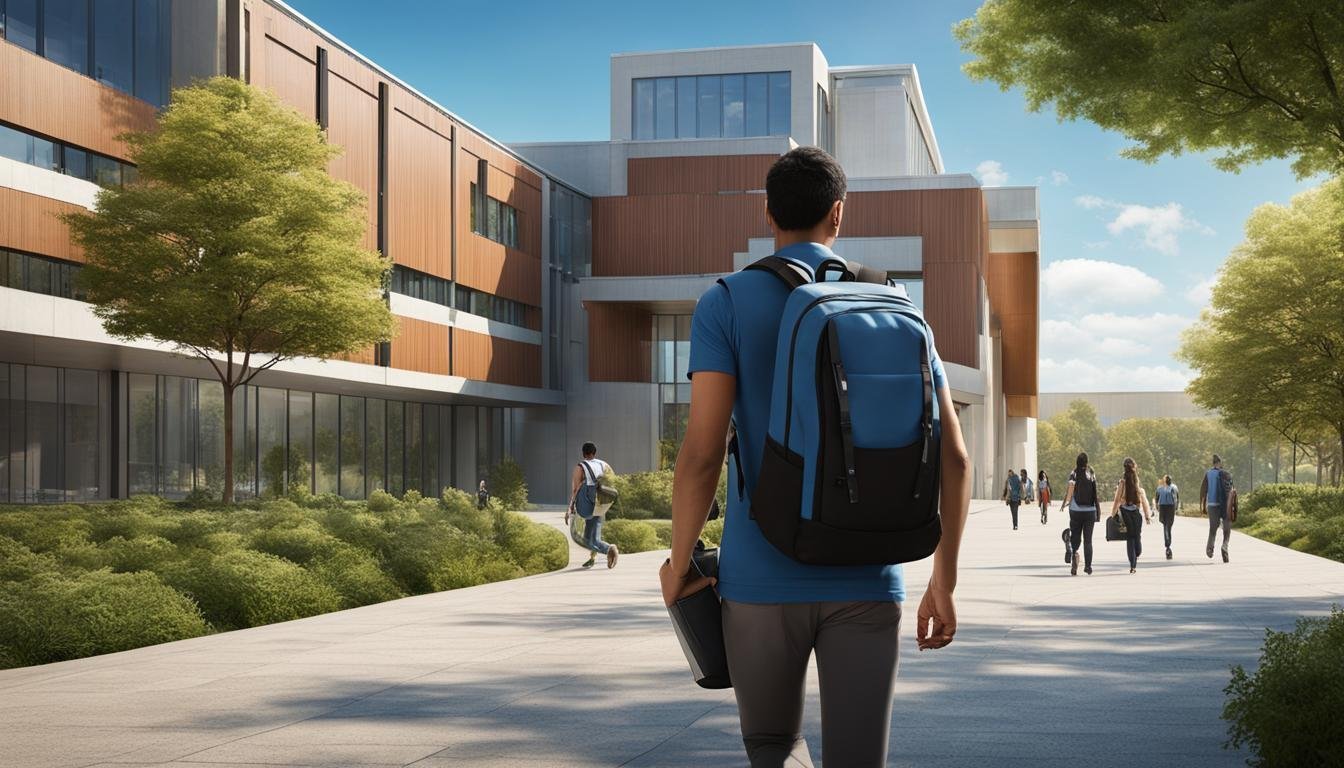
Are you considering going back to college as an adult? You’re not alone. With 1 in 10 college students in the US over the age of 40, and millions more expected to join this group in the coming years, returning to college as an adult has become increasingly common. While it may seem daunting, there are strategies that can help you navigate this journey successfully.
Whether you’re a nontraditional student, a nontraditional college student, or simply someone looking to finish your degree, this section will provide you with valuable tips and insights. We will explore how to overcome intimidation, manage your finances, and find balance between your personal, professional, and educational pursuits.
Key Takeaways:
- Returning to college as an adult is a common and achievable goal.
- Overcoming intimidation is possible with the right mindset and support.
- Financial stress can be eased through financial aid and planning.
- Effective time management is crucial for adult learners.
- Accessing support and resources can significantly enhance your college experience.
Removing the Intimidation Factor
Many adults aspiring to go to college may feel uncertain and intimidated. They question their ability to get accepted, worry about being isolated among younger students, and doubt their preparedness for today’s college environment. However, there are colleges and universities that consider holistic experiences and education when making admission decisions, lowering the barriers to entry for motivated students from all backgrounds.
One of the key factors in overcoming the uncertainty about going back to college as an adult is understanding the admissions process for nontraditional students. While traditional admissions criteria may heavily weigh recent high school performance and standardized test scores, many institutions value life experiences, professional accomplishments, and personal growth. These colleges and universities recognize that nontraditional students bring a unique perspective and a wealth of knowledge that can enrich the learning environment for everyone.
Entering college as an adult can be a transformative experience that opens up new opportunities for personal and professional growth. Many institutions have dedicated admissions counselors who specialize in working with nontraditional students. They can guide prospective students through the application process, offer support, and address any concerns or questions along the way. These counselors understand the realities of being an adult learner and can provide the reassurance and information needed to navigate the admissions journey with confidence.
Reducing Financial Stress

The cost of a college education can be a major consideration for adult learners. However, there are strategies to reduce financial stress and make pursuing a degree more affordable.
One important step is to complete the Free Application for Federal Student Aid (FAFSA). This form allows students to qualify for grants and federal student loans based on their financial need. By taking advantage of available financial aid options, adult learners can receive financial assistance to cover a portion or even the entirety of their college expenses.
Additionally, adult learners should explore tuition reimbursement options through their employers. Many companies offer educational benefits and reimbursement programs to support their employees’ pursuit of higher education. By taking advantage of these programs, adult learners can significantly reduce their out-of-pocket expenses.
Another strategy is to plan ahead and budget for college costs. This involves researching and estimating the expenses associated with tuition, books, supplies, and other fees. By creating a realistic budget and saving for these costs in advance, adult learners can better manage their finances and minimize financial stress throughout their college journey.
Key Points:
- Complete the FAFSA to access grants and federal student loans.
- Explore tuition reimbursement options through employers.
- Create a budget and plan for college expenses in advance.
By taking advantage of financial aid, tuition reimbursement, and careful budgeting, adult learners can minimize financial stress and focus on their educational goals.
Proactively Managing Time and Workload
A key challenge for adult learners returning to college is effectively managing their time and workload. Balancing work, personal commitments, and coursework requires careful planning and organization. Fortunately, there are proven strategies that can help adult learners navigate these demands and achieve success in their educational pursuits.
1. Create a dedicated study space: Designating a specific area for studying can help minimize distractions and create a focused environment. Whether it’s a quiet corner in your home or a local library, having a dedicated space can enhance concentration and productivity.
2. Utilize task management apps: Take advantage of technology to stay organized. Task management apps, such as Todoist or Trello, can help you prioritize assignments, set deadlines, and track progress. This way, you can effectively manage your tasks and ensure you stay on top of your coursework.
3. Schedule dedicated study time: Establishing a consistent study schedule can provide structure and help you stay on track. Determine your peak productivity hours and allocate specific time slots each day or week for studying. By treating these study sessions as appointments, you are more likely to stick to your schedule and make progress towards your academic goals.
Choosing a Balanced Workload Format
When selecting a college degree program, consider choosing one that offers a balanced workload format. Online education for working adults often provides flexibility in terms of scheduling and pace. Look for programs that offer asynchronous coursework, allowing you to complete assignments and engage with course materials at your own convenience. This can greatly benefit adult learners who need to juggle their studies with work and other responsibilities.
With effective time management strategies and a well-designed academic program, adult learners can successfully balance their commitments and achieve their educational aspirations. By proactively managing their time, utilizing technology, and choosing the right educational format, adult learners can thrive in their pursuit of higher education.
Finding Support and Resources
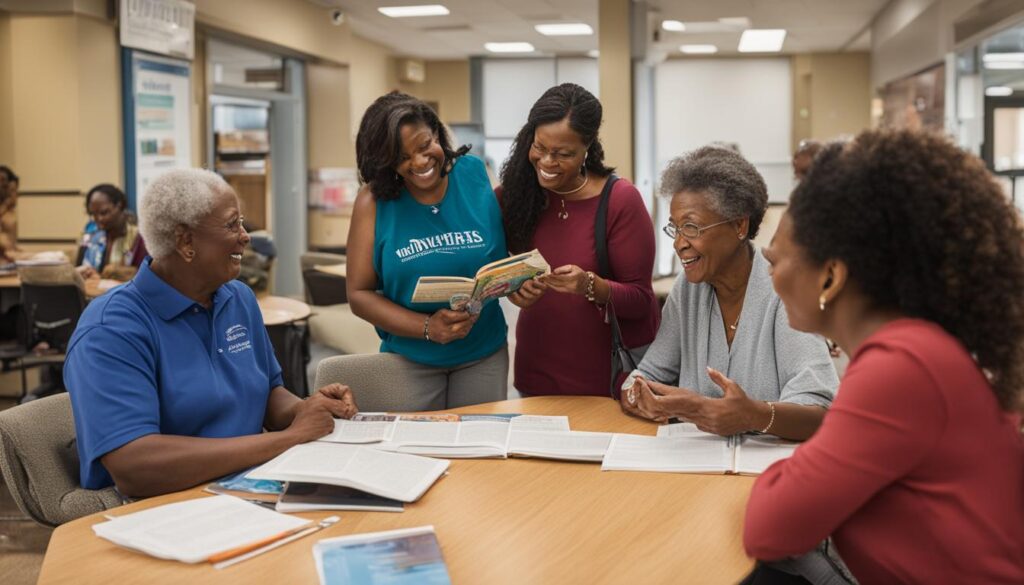
Returning to college as an adult can be a daunting task, but it’s important to remember that you’re not alone. There are numerous support systems and resources available to help adult learners navigate their educational journey. With the right support, you can thrive both academically and personally. Here are some valuable resources and networking opportunities specifically tailored to nontraditional students:
- Study Groups: Forming study groups with fellow adult learners can provide a sense of camaraderie and support. Collaborating with like-minded individuals can help you stay motivated, share knowledge, and tackle challenging coursework together.
- Professor Office Hours: Don’t hesitate to take advantage of your professors’ office hours. They are there to assist you and answer any questions you may have. Building a relationship with your professors can lead to mentorship opportunities and valuable guidance throughout your college journey.
- Networking Opportunities: Many colleges and universities offer networking events specifically for nontraditional students. These events provide a chance to connect with fellow adult learners, alumni, and professionals in your field of interest. Networking can open doors to internships, job opportunities, and valuable connections.
- Library and Tutoring Resources: Make use of your college’s library and tutoring services. These resources can provide additional support with research, writing, and subject-specific tutoring. Whether you need help with a specific assignment or want to enhance your study skills, these resources are designed to assist you.
Additionally, online college support services have become increasingly popular and beneficial for adult learners. These services offer virtual academic advising, career counseling, and even virtual study groups. They provide a flexible and convenient way for adult learners to access support and resources from the comfort of their own homes. Remember, seeking support and utilizing available resources can significantly enhance your college experience and increase your chances of success.
Quotes:
“Joining a study group with other adults has been a game-changer for me. It’s given me a support system and made me feel more confident in my abilities.” – Jane, 43, adult learner
“I initially felt overwhelmed about going back to college, but utilizing my professor’s office hours has been invaluable. They’ve provided guidance and encouragement every step of the way.” – David, 38, nontraditional student
Conclusion
Returning to college as an adult offers numerous benefits and advantages. Adult learners bring clear career goals, professional experience, dedication, confidence, and readiness for the workforce. By embracing lifelong learning, they can secure valuable credentials, develop sought-after skills, and enjoy networking opportunities.
Choosing a college that meets their needs and researching future careers are essential steps for adult learners. Seek support from academic advisors, apply for financial aid, and effectively manage time and workload. These strategies optimize the college journey and pave the way to achieving educational and professional goals.
Adult learners have a unique advantage in their pursuit of higher education. They bring a wealth of life experience and a strong desire to succeed. By embracing the opportunities available and utilizing the resources provided, adult learners can experience personal growth and satisfaction while realizing their full potential.
FAQ
Can I go back to college as an adult?
Absolutely! Many colleges and universities consider holistic experiences and education when making admission decisions, allowing motivated students from all backgrounds to pursue higher education.
How can I afford to go back to college?
There are several strategies to reduce financial stress, including completing the FAFSA for grants and federal student loans, exploring tuition reimbursement options through employers, planning ahead and budgeting for college expenses, and understanding the long-term financial benefits of a college degree.
How can I balance work, personal commitments, and college coursework?
Time management is crucial. Tips for success include creating a dedicated study space, using task management apps, scheduling dedicated study time, tracking progress on assignments, and breaking up work into manageable tasks. Choosing a college degree program with a balanced workload format can also help adult learners effectively plan their schedules.
Where can I find support as an adult learner?
Adult learners may need different types of support than traditional college students. Examples include forming study groups, utilizing professor office hours, networking opportunities, and accessing library and tutoring resources. Choosing a college program with dedicated support services catering to the needs of working adults can ensure personalized assistance even for online learners.
What are the advantages of going back to college as an adult?
There are numerous advantages, including clear career goals, professional experience, dedication, confidence, and readiness for the workforce. Adult learners can secure valuable credentials, develop sought-after skills, enjoy networking opportunities, and experience personal growth and satisfaction.